Transforming Healthcare Delivery: The Impact of AI-Driven Custom Solutions on Patient Care and Workflow Efficiency

Artificial Intelligence (AI) is rapidly transforming the healthcare landscape, offering unprecedented advancements in patient care and workflow efficiency. This article explores the myriad ways AI-driven custom solutions are revolutionizing diagnostics, optimizing healthcare workflows, enhancing telemedicine services, addressing ethical considerations, and delivering tangible benefits in terms of outcomes and return on investment. As we delve into each area, we uncover the profound impact AI is having on the healthcare industry, reshaping it into a more efficient, accessible, and patient-centered domain.
Key Takeaways
- AI-driven diagnostics are significantly enhancing the precision and efficiency of patient care, enabling better outcomes and quality of life.
- Healthcare workflows are being optimized through automation and predictive modeling, leading to increased efficiency and reduced costs.
- Telemedicine, empowered by AI, is expanding access to care and personalizing treatment, ensuring continuity of care for patients regardless of location.
- Ethical considerations are paramount as AI reshapes healthcare; balancing technology with human-centered care and addressing privacy concerns are critical.
- AI in healthcare is not just a promise for the future; it's delivering real economic impact, improving patient acquisition and retention, and offering measurable benefits now.
Revolutionizing Patient Care with AI-Driven Diagnostics

Enhancing Diagnostic Precision through AI Integration
The integration of AI-Powered Medical Diagnostics is revolutionizing the landscape of healthcare, offering unprecedented precision in patient care. AI algorithms, with their capacity to analyze vast datasets, are now indispensable tools for radiologists, enhancing diagnostic accuracy by identifying patterns and abnormalities that might escape the human eye.
Moreover, AI's role extends beyond mere analysis; it serves as a collaborative partner in the diagnostic process. By providing a second opinion, AI acts as a quality assurance mechanism, ensuring that diagnoses are not only accurate but also reliable. This synergy between human expertise and artificial intelligence is paving the way for a new era of medical diagnostics.
| Challenge | AI's Contribution |
|---|---|
| Large dataset analysis | AI excels in pattern recognition |
| Diagnostic accuracy | AI provides additional insights |
| Quality assurance | AI offers reliable second opinions |
The transformative power of AI in healthcare is not limited to enhancing diagnostic precision; it is reshaping the entire patient care experience.
While AI-driven success stories in various industries are abundant, the healthcare sector stands out with its critical impact on patient outcomes. The integration of AI into diagnostics is not merely a technological advancement; it is a commitment to patient-centered care, where every diagnosis is a step towards a healthier future.
Facilitating Remote Collaboration and Second Opinions
In the digital age, AI is transforming the landscape of healthcare collaboration, enabling specialists to provide second opinions and collaborate on complex cases from any corner of the globe. This not only enhances the quality of patient care but also democratizes access to expert consultations, regardless of geographical barriers.
The integration of AI into healthcare systems has led to the development of platforms that facilitate seamless communication between physicians. These platforms can synthesize conversations, augment them with Electronic Health Record (EHR) context, and coordinate patient care more effectively. By reducing the administrative burden, AI is giving clinicians the gift of time, allowing them to focus on the human aspects of care.
AI-driven tools are eliminating time spent on documentation, updating medical records, and analyzing content. This shift is pivotal in making patient consultations more human-centered and personalized.
For instance, AI co-pilots are now capable of taking notes ambiently, summarizing interactions, and nudging doctors to ask the right questions. This ensures informed decision-making and can dramatically reduce medical errors, leading to improved patient outcomes.
Like what you see? Share with a friend and join us in exploring the profound impact AI is having on healthcare delivery.
Improving Patient Outcomes with Advanced Image Recognition
The integration of AI-driven image recognition into healthcare is transforming the landscape of patient diagnostics and care. By harnessing the power of advanced algorithms, medical professionals can now interpret complex medical images with unprecedented precision. This leap in diagnostic capability means that diseases can be detected at earlier stages, often before patients exhibit symptoms, leading to more effective treatments and improved prognoses.
- AI algorithms analyze patterns and anomalies in medical images.
- They assist radiologists in detecting subtle signs of diseases.
- This leads to earlier detection and intervention.
The synergy between AI and medical expertise is creating a new paradigm in healthcare, where technology amplifies the capabilities of clinicians, resulting in a significant uplift in patient care standards.
Predictive advancements in AI technology are set to further refine these diagnostic tools, offering personalized treatment recommendations and enhancing predictive analytics. As we stand on the brink of these technological leaps, the potential for improved patient outcomes is immense. The Bles Software website offers insights on leveraging AI for scalable growth, business expansion, SaaS innovation, and software development efficiency. Subscribe for AI, technology, and software solutions to stay ahead in this rapidly evolving field.
Optimizing Healthcare Workflows with Artificial Intelligence
Automating Administrative Tasks for Efficiency
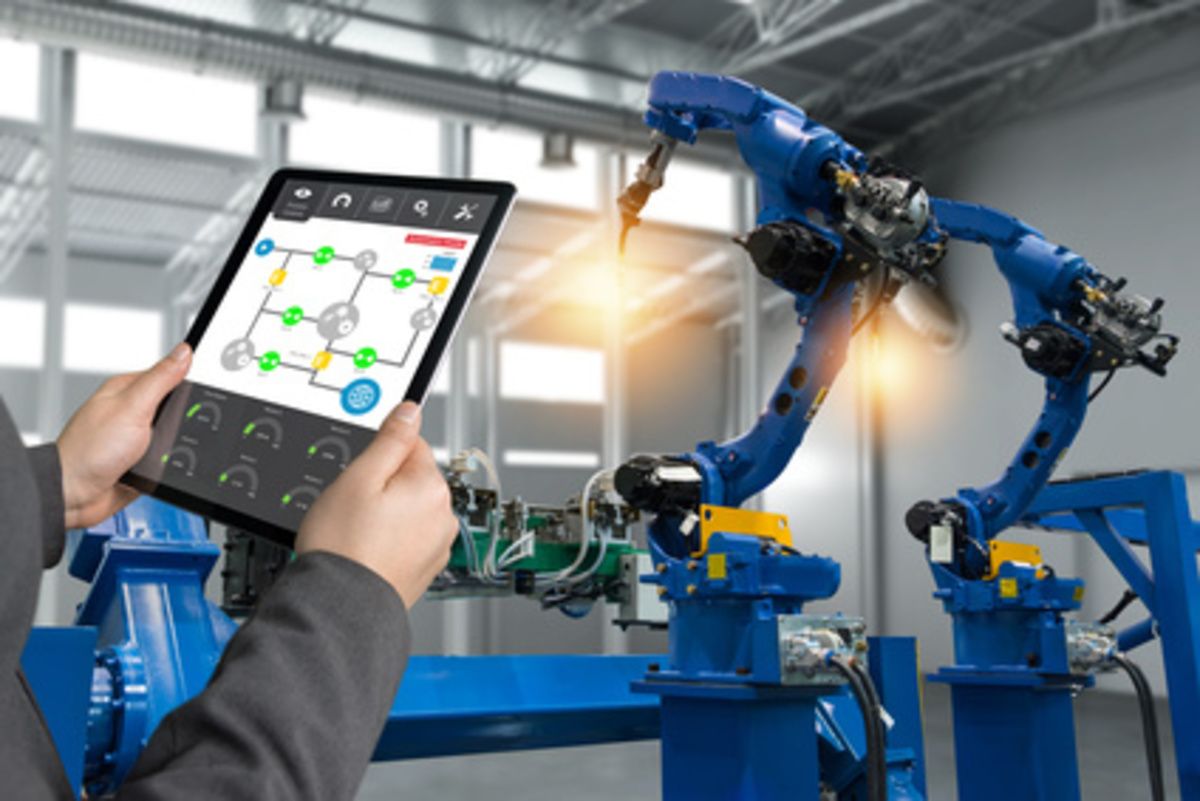
In the realm of healthcare, efficiency is paramount. Administrative burdens, characterized by extensive paperwork and repetitive tasks, detract from the essential mission of delivering quality patient care. AI-powered analytics drive operational excellence by streamlining processes, eliminating duplication, and optimizing resource allocation for business efficiency and growth.
The introduction of AI in healthcare administration heralds a new era of efficiency. By automating mundane tasks, AI liberates healthcare professionals to focus on patient-centric responsibilities, fostering an environment where care takes precedence over clerical work.
Consider the transformative impact of AI on routine administrative functions:
- Reduction in manual data entry: AI systems can swiftly process and update patient records, minimizing human error.
- Automated billing and compliance: Intelligent algorithms ensure accuracy and adherence to regulations, saving time and reducing overhead.
- Enhanced resource management: AI-driven tools provide insights for better allocation of staff and resources.
In a case study, an AI automation module designed for invoice processing and report generation demonstrated a remarkable improvement in efficiency by 20%, completing tasks that previously consumed hours in mere minutes. This is not just a marginal gain; it's a leap towards operational excellence that can reshape the landscape of healthcare administration.
As we continue to navigate the complexities of healthcare delivery, the integration of AI into administrative workflows stands as a beacon of hope. It promises a future where healthcare professionals can dedicate their expertise to patient care, unencumbered by the weight of administrative tasks. Embrace the change, and witness the transformation in your healthcare practice.
Predictive Modeling for Effective Capacity Management
The advent of predictive modeling in healthcare is akin to a crystal ball, offering a glimpse into the future of patient care and resource management. AI algorithms are now capable of analyzing historical data to forecast patient admissions and optimize resource allocation, leading to a transformative shift in how healthcare facilities operate. This proactive approach not only saves time but also enhances the overall efficiency of healthcare operations.
By leveraging predictive analytics, healthcare providers can anticipate and prepare for patient influxes, ensuring that no patient is turned away due to a lack of resources or staffing.
The implications of this are profound:
- Reduction in wait times: Patients receive care more promptly.
- Improved patient satisfaction: A smoother experience from admission to discharge.
- Enhanced resource utilization: Optimal use of beds, equipment, and staff.
- Cost savings: Efficient operations translate to financial savings.
As we continue to navigate the complexities of healthcare delivery, the integration of predictive modeling stands out as a beacon of progress. It is a testament to the power of AI in not only managing but revolutionizing healthcare workflows. Embrace the change, and witness the transformation in patient care and workflow efficiency.
Innovations in Surgery Robotics and Patient Monitoring
The advent of robot-assisted surgeries marks a pivotal moment in healthcare innovation, offering a suite of benefits that were once the stuff of science fiction. Robotics in surgery have not only enhanced the precision of procedures but have also significantly reduced patient recovery times and surgery-related complications. Surgeons, equipped with robotic systems, gain a three-dimensional, magnified view of the surgical site, surpassing the limitations of the human eye and ensuring unparalleled accuracy during operations.
The integration of AI into patient monitoring systems has revolutionized the way healthcare providers track and respond to patient needs. These systems offer real-time data, enabling proactive care and timely interventions.
The table below highlights the transformative impact of surgical robotics on patient care:
| Benefit | Description |
|---|---|
| Precision | Enhanced accuracy in surgical procedures. |
| Recovery Time | Quicker post-surgery healing. |
| Complications | Reduced incidence of surgery-related issues. |
| Pain Management | Less postoperative pain for patients. |
| Patient Experience | Improved overall satisfaction with the healthcare process. |
As we continue to witness the integration of AI into healthcare, it is imperative that we remain vigilant about the ethical implications and privacy concerns associated with these technologies. The promise of AI in healthcare is not just in the groundbreaking tools it provides but also in the human-centric approach it necessitates. We invite you to join the conversation and explore how AI-driven custom solutions can transform your healthcare delivery system.
AI in Telemedicine: Bridging the Gap in Healthcare Delivery
Expanding Access to Care through Virtual Consultations
The advent of AI Telemedicine Advancements has been a game-changer in democratizing healthcare. By leveraging AI, telemedicine transcends geographical barriers, offering patients in remote or underserved areas the opportunity to receive quality care. This shift towards virtual consultations is not just a trend but a necessity that has been accelerated by recent global events.
The integration of AI into telemedicine has enabled a more personalized and efficient healthcare experience. Patients now have access to virtual triaging through conversational AI healthcare assistants, which guide them through symptom checking, self-triage, and even scheduling appointments.
The table below illustrates the transformative impact of AI on virtual consultations:
| Aspect | Pre-AI Era | AI-Enhanced Era |
|---|---|---|
| Accessibility | Limited | Significantly Improved |
| Personalization | Generic | Highly Tailored |
| Efficiency | Time-Consuming | Streamlined |
| Patient Engagement | Passive | Active and Empowered |
AI not only facilitates the initial consultation but also streamlines the post-discharge care journey, ensuring continuity and comprehensive care. By automating clinical notes and updating medical records, AI gives clinicians the 'gift of time', allowing them to focus on the human aspects of care. As healthcare providers embrace these technologies, we witness a paradigm shift towards a more accessible, personalized, and efficient healthcare system.
Personalizing Treatment with AI-Powered Analytics
The advent of AI in Healthcare Innovation has marked a new era in the personalization of treatment, tailoring healthcare to the unique genetic makeup and lifestyle of each patient. AI Healthcare Solutions Providers are at the forefront of this transformation, leveraging Personalized Medicine AI Technology to deliver care that is not just reactive, but predictive and preventive.
The integration of AI Healthcare Data Analysis into Electronic Health Records (EHR) systems has revolutionized clinical decision-making. By providing healthcare professionals with actionable insights, AI in Clinical Decision Support enables a level of precision in treatment that was previously unattainable.
Predictive Analytics in Healthcare AI goes beyond traditional diagnostics, offering a glimpse into the future health trajectory of patients. This allows for interventions that are not only timely but also highly targeted. AI-Enabled Healthcare Devices and AI for Medical Imaging further enhance the capability to monitor and manage health conditions in real-time, ensuring that each patient receives the most effective treatment.
The role of AI in Healthcare Management Systems cannot be overstated. It streamlines operations, reduces errors, and frees up valuable time for healthcare providers to engage more deeply with their patients. Here is how AI for Healthcare Efficiency is transforming the landscape:
- Automating routine tasks to allow healthcare professionals to focus on patient care
- Enhancing diagnostic accuracy with AI for Medical Imaging
- Optimizing treatment plans using AI Healthcare Data Analysis
- Improving patient engagement with AI-Enabled Healthcare Devices
As we navigate the complexities of healthcare AI Development, it is crucial to partner with AI Healthcare Solutions Providers who understand the delicate balance between technology and the human touch. The call to action is clear: embrace AI to enhance the quality of care and ensure that healthcare delivery is as personalized as it is efficient.
Ensuring Continuity of Care with Remote Patient Monitoring
The advent of AI in Patient Care Technology has been a game-changer for maintaining the continuum of care outside traditional healthcare settings. AI Medical Records Management systems, when paired with the latest in wearable technology, offer a seamless approach to patient monitoring. These sophisticated AI tools are not just passive data collectors; they actively analyze and interpret health metrics to provide actionable insights.
By leveraging AI, healthcare providers can detect early signs of patient deterioration, ensuring timely interventions that can prevent hospital readmissions and enhance the quality of life for patients.
Remote patient monitoring, empowered by AI, is not just about data—it's about delivering personalized care that adapts to the unique needs of each individual. Consider the following benefits:
- Continuous analysis of vital signs and health parameters
- Early detection of potential health issues
- Reduction in the need for in-person visits
- Increased patient engagement and self-management
The integration of AI into remote patient monitoring systems exemplifies how technology can support and extend the capabilities of healthcare professionals, ensuring that patient care is never compromised, regardless of location.
Navigating the Future: The Role of AI in Healthcare Ethics

Balancing Technology with Human-Centered Care
In the pursuit of integrating AI into healthcare, it is paramount to maintain a delicate balance where technology enhances rather than overshadows the human element. AI should be an enabler, not a replacement, for the nuanced interactions between healthcare professionals and patients. The transformation augmented by AI offers care providers a profound level of efficiency and precision, allowing them to focus on personalized, human-centered care. This shift signals a future where technology abstracts away system complexities, fostering more human interaction with computational systems in healthcare.
The future of healthcare is not just about treating symptoms but holistically supporting individuals in a way that is most meaningful to them. AI advancements support this shift by automating routine tasks and analyzing patient data more effectively, giving healthcare professionals the 'gift of time' to focus on empathy, understanding, and personalized interaction.
Embrace ethical AI practices for unbiased analytics, transparency, and fairness. Mitigate bias, prioritize data privacy, and navigate challenges for sustainable growth in business intelligence.
As we navigate this future, it is crucial to ensure that technology serves to enhance the human-centeredness of medical care. The following points highlight the core principles that must guide this journey:
- Prioritize individual preferences, needs, and values in clinical decision-making.
- Ensure that AI-driven solutions are transparent and fair, mitigating any potential biases.
- Advocate for the democratization of health tracking and access to knowledge, empowering individuals to be more informed and involved in their healthcare.
In conclusion, the role of AI in healthcare is to support and amplify the human touch, not to replace it. By adhering to these principles, we can achieve a healthcare system that is both technologically advanced and deeply human-centered.
Addressing Privacy Concerns in AI Applications
In the realm of healthcare, where patient confidentiality is sacrosanct, the integration of AI raises significant privacy concerns. Safeguarding patient data privacy is not just a regulatory mandate but a cornerstone of patient trust. As AI systems become more prevalent, healthcare providers must ensure that these technologies adhere to stringent data protection laws and embody robust security protocols.
The ethical landscape of AI in healthcare necessitates a multi-faceted approach to privacy:
- Mitigate ethical and legal risks with privacy
- Establish best practices in data and systems governance
- Monitor the potential for "bias" in AI algorithms
Security & trust are the bedrock upon which AI applications must be built. AI providers must address concerns around data security, trust, and patient confidentiality, while also accounting for ethical considerations, such as keeping humans in the loop and ensuring accountability.
The conversation around AI and privacy extends beyond mere compliance; it involves cultivating a culture of transparency and responsibility. Healthcare organizations must navigate these waters with care, ensuring that AI serves as a tool for enhancement, not a detriment to patient rights. As we continue to harness the power of AI, let us commit to the principles of safety, access, and effective governance, to not only meet but exceed the expectations of those we serve.
Setting Standards for Superhuman Accuracy and Accountability
In the realm of healthcare, where the stakes are life and death, the deployment of AI must be approached with the utmost rigor. Ensuring the reliability of AI outputs is paramount, as they are increasingly integrated into clinical decision-making processes. Thoughtful's AI-driven solutions are meticulously designed to align with human conventions, ethical standards, and legal requirements, thereby enhancing compliance and accuracy.
Thoughtful's commitment to maintaining the highest standards of compliance and accuracy is a cornerstone of its value proposition.
Quality data is the bedrock of effective AI. Without it, there is a risk of perpetuating biases and inaccuracies that can have dire consequences. To combat this, Thoughtful emphasizes the avoidance of bias and the preservation of data integrity. This ensures that AI-generated insights are grounded in truth and linked to the source, which is essential in clinical practice.
As we navigate the future of AI in healthcare, we must be vigilant in setting standards that foster superhuman accuracy and accountability. This includes:
- Regularly updating compliance protocols to keep pace with healthcare regulations.
- Implementing rigorous testing to validate AI outputs against clinical realities.
- Establishing clear guidelines for human oversight to ensure a balance between technological innovation and the human touch.
By adhering to these principles, we can leverage AI not just for its strategic advantage in healthcare, but as a beacon of ethical AI in business, embodying transparency, accountability, fairness, and privacy. The journey towards superhuman accuracy in AI is not just a technical challenge; it is a moral imperative.
Achieving Guaranteed Outcomes and ROI with AI in Healthcare
Evaluating the Economic Impact of AI on Healthcare
The integration of Artificial Intelligence (AI) into healthcare is not just a futuristic concept—it's a present-day revolution with tangible economic benefits. AI's potential to enhance care quality and improve patient outcomes is matched by its ability to drive down costs, a critical factor in a sector where financial sustainability is paramount. Recent studies underscore the promise of AI, forecasting a substantial decrease in healthcare spending.
The economic impact of AI in healthcare can be distilled into several key areas:
- Claims Management: Streamlining the processing and adjudication of claims to reduce administrative overhead.
- Member Services: Enhancing patient engagement and satisfaction through personalized, AI-driven support.
- Corporate Functions: Optimizing back-office operations to cut costs and improve service delivery.
Unlike in the past, AI's impact is not just about incremental improvements; it's about fundamentally reshaping how healthcare operates. By leveraging the power of AI, the industry can address longstanding challenges and inefficiencies, opening the door to a new era of medical care that is more responsive to patient needs.
The Harvard and McKinsey study suggests a 5 to 10 percent reduction in US healthcare spending, which translates to an eye-opening $200 billion to $360 billion saved annually. This is not just a win for healthcare providers and payers—it's a win for every stakeholder in the healthcare ecosystem, including patients. As we continue to navigate the complexities of healthcare economics, the role of AI stands out as a beacon of efficiency and innovation.
Enhancing Patient Acquisition and Retention through AI
In the competitive landscape of healthcare, AI is a game-changer in patient acquisition and retention. By leveraging AI-powered analytics, healthcare providers can gain deep insights into patient behaviors and preferences, tailoring their services to meet individual needs. This personalization fosters a stronger patient-provider relationship, encouraging loyalty and repeat visits.
- AI-driven chatbots streamline patient engagement, offering quick responses to inquiries and simplifying appointment scheduling.
- EMR/EHR integration with AI tools reduces administrative burdens, allowing healthcare professionals to focus on patient care.
- Personalized monitoring through AI software enhances patient self-management and health outcomes.
Embracing AI in healthcare is not just about keeping up with technology; it's about staying ahead in providing exceptional care. AI's precision in handling administrative tasks ensures that healthcare organizations can concentrate on what truly matters—their patients.
As healthcare evolves, so too must the strategies for maintaining a robust patient base. AI's role in this evolution is undeniable, offering both improved patient experiences and operational efficiencies. To stay at the forefront of healthcare innovation, consider how AI can transform your patient acquisition and retention strategies. Request a demo today to explore the possibilities.
Measuring the Tangible Benefits of AI-Driven Healthcare Solutions
The integration of AI into healthcare has ushered in a new era of efficiency and patient-centric care. AI-driven data analysis offers operational excellence, competitive advantage, and efficiency gains. Expert guidance is key for success in the transformative AI journey. By leveraging AI, healthcare providers are not only enhancing their service quality but are also seeing a measurable impact on their bottom line.
In embracing this future, healthcare organizations can focus on what truly matters
Join leading healthcare providers in harnessing the power of AI to:
- Collect more money, faster
- Achieve higher capacity with less headcount
- Acquire and retain more patients
The promise of AI in healthcare is not just in its potential but in the tangible benefits it is already providing. Recent research predicts a 5 to 10 percent decrease in healthcare spending, which translates to significant savings. Here's a snapshot of the areas where AI is making a difference:
| Area of Impact | Description |
|---|---|
| Claims Management | Streamlining processes to reduce errors and denials |
| Member Services | Enhancing patient engagement and satisfaction |
| Corporate Functions | Improving decision-making and operational efficiency |
As we continue to navigate the complexities of healthcare delivery, the role of AI becomes increasingly vital. It's not just about adopting technology; it's about transforming the very fabric of healthcare to provide better care for all. Ready to get a demo and see the difference AI can make for your organization? Sign up today and join the revolution in healthcare efficiency and patient care.
Conclusion
The integration of Artificial Intelligence into healthcare is not merely an incremental step forward; it represents a paradigm shift in the delivery of medical services. AI-driven custom solutions are revolutionizing patient care by enhancing diagnostic accuracy, personalizing treatment plans, and streamlining administrative workflows. This technological transformation is enabling healthcare providers to transcend traditional limitations, offering a level of precision and efficiency previously unattainable. As AI continues to evolve, its applications in healthcare promise to make high-quality care more accessible and human-centered, ultimately reshaping the future of medicine. The evidence is clear: AI is not just a tool for innovation but a cornerstone for a new era in healthcare, where the focus is firmly on improving patient outcomes and achieving operational excellence.
Frequently Asked Questions
How is AI enhancing diagnostic precision in healthcare?
AI improves diagnostic precision by analyzing large datasets to identify patterns and anomalies that may be missed by human clinicians. It integrates with diagnostic tools to provide more accurate readings and can assist in early detection of diseases through advanced image recognition and analysis.
What role does AI play in remote healthcare collaboration?
AI facilitates remote healthcare collaboration by enabling providers to share diagnostic images and patient data securely and efficiently. It supports telemedicine initiatives, allowing for remote consultations and second opinions, which are crucial for patients in underserved areas or those unable to travel.
Can AI improve patient outcomes and how?
Yes, AI can improve patient outcomes by providing clinicians with tools for more accurate and timely diagnoses, personalized treatment plans, and continuous monitoring of patient conditions. This leads to better disease management, reduced complications, and more effective treatments.
How does AI contribute to healthcare workflow efficiency?
AI contributes to workflow efficiency by automating administrative tasks, such as scheduling, billing, and claims processing. It also aids in predictive modeling for patient admissions and capacity management, as well as streamlining patient monitoring and care coordination.
What are the ethical considerations of using AI in healthcare?
Ethical considerations include ensuring patient privacy, securing data against breaches, and addressing biases in AI algorithms. It's also important to balance technology with human-centered care and establish standards for the responsible use of AI in medical decision-making.
What economic impact does AI have on the healthcare industry?
AI has the potential to significantly reduce healthcare costs by improving operational efficiencies and patient care. It can lead to better resource allocation, lower administrative expenses, and improved patient acquisition and retention, ultimately impacting the return on investment for healthcare providers.
Comments
Post a Comment