Revolutionizing Patient Care: The Impact of AI-Infused Custom Healthcare Solutions

The integration of Artificial Intelligence (AI) into healthcare is revolutionizing the way patient care is delivered. From enhancing diagnostic precision to personalizing treatment plans, AI-infused custom healthcare solutions are leveraging technology to improve outcomes, streamline operations, and ensure patient safety. This article delves into the multifaceted impact of AI on healthcare, exploring its applications in diagnostics, telemedicine, patient management, and beyond, all while highlighting insights from industry experts such as Dr. Georg Isbary and Elias Zimmer from Roche Pharma Germany.
Key Takeaways
- AI-driven image recognition and predictive analytics are significantly improving early anomaly detection and the precision of patient care.
- Operational efficiency in healthcare is being transformed by AI, from streamlining hospital management to enhancing administrative workflows with virtual assistants and cloud computing.
- Customized treatment regimens and the emergence of AI-driven telemedicine are personalizing patient care, while hybrid AI and protocol-based workflows offer comprehensive services.
- Upcoming trends in AI healthcare include advancements in natural language processing, computer vision, and the integration of wearable devices for remote monitoring.
- AI is becoming a crucial tool for ensuring compliance with healthcare protocols and patient safety, while also addressing security and privacy considerations.
Enhancing Diagnostic Precision through AI Integration

AI-Driven Image Recognition for Early Anomaly Detection
The advent of AI-driven image recognition marks a pivotal shift in the landscape of medical diagnostics. Machine learning algorithms now possess the uncanny ability to discern subtle irregularities in medical imagery, such as X-rays and MRIs, with a precision that rivals, and in some cases surpasses, human experts. This technological leap is not just about replacing human judgment but augmenting it to achieve earlier and more accurate diagnoses.
The integration of AI into diagnostic imaging is a game-changer, enabling healthcare professionals to detect conditions that once may have gone unnoticed until advanced stages.
Consider the following benefits of AI-driven image recognition in healthcare:
- Early Anomaly Detection: AI algorithms can identify potential issues much earlier than traditional methods, leading to timely interventions.
- Consistency: Unlike human practitioners, AI systems do not suffer from fatigue, ensuring consistent analysis round-the-clock.
- Volume Handling: AI can process and analyze vast quantities of images rapidly, which is critical in high-demand healthcare settings.
As we continue to harness the power of AI in healthcare, it is imperative that we remain vigilant about the ethical implications, including privacy and bias. The promise of AI is immense, but it must be deployed responsibly to truly revolutionize patient care. Engage with us as we explore the depths of AI's potential in healthcare and consider how it can be tailored to meet your specific needs. Let's embark on this journey together to create a future where technology and human expertise converge for the betterment of patient outcomes.
Predictive Analytics in Patient Care
The advent of AI-Powered Medical Diagnostics has marked a new era in healthcare, where predictive analytics are not just a futuristic concept but a present-day reality. Predictive Analytics in Healthcare AI is transforming the landscape by enabling healthcare providers to anticipate patient needs and tailor interventions accordingly. This proactive approach is pivotal in mitigating the risk of disease progression and improving patient outcomes.
By harnessing the power of AI Healthcare Data Analysis, medical professionals can now predict and prevent complications before they arise, ensuring a higher standard of care and patient satisfaction.
The integration of predictive modeling into hospital management software has been a game-changer. It allows for the optimization of resource allocation and the anticipation of patient demands. Here's how hospitals are leveraging this technology:
- Identifying at-risk individuals through comprehensive data analysis
- Predicting trends in healthcare demand to better prepare for future needs
- Tracking the progression of diseases to administer timely and effective treatments
The impact of predictive analytics extends beyond individual patient care. It revolutionizes the entire healthcare system by enhancing clinical decision support, reducing readmission rates, and ensuring the effective delivery of healthcare services. As we move forward, the role of predictive modeling in healthcare will only grow, shaping the future of patient care and hospital management systems.
Leveraging Big Data for Evidence-Based Treatment Recommendations
In the realm of healthcare, Big Data stands as a beacon of transformation, guiding the journey towards evidence-based treatment recommendations. Interoperability, a cornerstone of modern healthcare, is significantly enhanced by Big Data's ability to seamlessly integrate remote systems. This ensures comprehensive case information is at the fingertips of healthcare providers, fostering collaboration and informed clinical decision-making.
Big Data's role in transforming population health management is undeniable. It offers a panoramic view into patient demographics, health patterns, and risk factors, enabling hospitals to pinpoint high-risk populations and tailor interventions accordingly.
By harnessing the predictive power of machine learning algorithms, healthcare professionals can analyze vast datasets to detect trends, characterize effective therapies, and even forecast the progression of diseases. This analytical prowess is not just a theoretical concept; it is expected to revolutionize clinical data analytics and decision-making by 2024, impacting hospital software trends and operations.
The utilization of Big Data in healthcare is not a mere enhancement but a pivotal shift towards optimizing patient outcomes and operational efficiency. Here's how Big Data is currently shaping the healthcare landscape:
- Predictive modeling for preventive healthcare to reduce readmission rates
- Real-time data analysis for better resource allocation and workflow acceleration
- Strategic insights for addressing community health issues and managing finances
The Bles Software website offers insights on leveraging AI for scalable growth in businesses, from startup to enterprise. Embrace growth with AI and discover key strategies for seamless expansion using AI. As we delve deeper into the potential of Big Data in healthcare, let us remember that the ultimate goal is to ensure the well-being of patients through smarter, data-driven decisions.
Optimizing Healthcare Operations with AI-Enabled Systems

Streamlining Hospital Management Software
The integration of AI in Healthcare Management Systems is transforming the landscape of hospital administration. Advancements in software compatibility are not just a trend; they are a necessity for the dynamic healthcare environment of 2024. Scalability, mobile accessibility, and user-friendliness are now at the forefront, ensuring that healthcare providers can meet the evolving needs of their patients and staff with ease.
The best hospital management software now heavily relies on real-time analytics. This powerful feature provides instant access to patient data, practical advice, and efficient resource management, enabling healthcare directors to make informed decisions swiftly.
By harnessing the power of AI, hospitals are integrating disparate systems to enhance both patient care and operational efficiency. The result is a seamless, interconnected network that supports healthcare professionals in delivering top-notch care. Here's how AI is making a difference:
- Real-time analytics for instant decision-making
- Enhanced patient data management
- Improved resource allocation
- Predictive maintenance of hospital equipment
As we continue to witness the revolutionary impact of AI on healthcare, it's crucial to stay informed and adapt to these changes. Embrace the future by exploring how AI can streamline your hospital's operations. Remember, the goal is not just to keep up, but to set the pace for excellence in patient care.
AI-Powered Virtual Assistants for Administrative Efficiency
The advent of AI-powered virtual assistants is transforming the landscape of healthcare administration. These sophisticated tools are not just about answering calls or scheduling appointments; they are reshaping the very fabric of operational efficiency. By automating tasks that were once manual, these virtual assistants are not only enhancing accuracy but also optimizing the entire workflow of healthcare facilities.
- Automation: AI virtual assistants take over repetitive tasks such as scheduling, billing, and patient record management, freeing up healthcare professionals to focus on patient care.
- 24/7 Support: They provide round-the-clock assistance, ensuring that patient inquiries and administrative processes are handled promptly, regardless of the hour.
- Customized Care: By analyzing historical data, AI algorithms can assist in tailoring treatment regimens, improving the precision of healthcare delivery.
The integration of AI into healthcare operations is not just a technological upgrade; it is a strategic move towards a more efficient, patient-centered system.
The ripple effect of this technological integration is clear: reduced staff workloads, improved patient satisfaction, and a streamlined administrative process that once seemed unattainable. As we embrace these AI-infused solutions, we witness a paradigm shift in patient care—where technology and humanity converge for the betterment of health outcomes. Embrace the AI revolution and witness the transformation in your healthcare practice.
Cloud Computing and Its Role in Operational Workflow Enhancement
The advent of cloud computing has been nothing short of transformative for healthcare operations. By enabling seamless integration across services, cloud-based solutions ensure that critical patient data is accessible and collaboration is effortless. This is largely due to their inherent resilience and scalability, which are essential in the fast-paced world of healthcare.
The agility and innovation of cloud computing are not just buzzwords; they are the new reality for on-premises workloads. With the cloud, healthcare providers can connect and monitor devices through the Internet of Things (IoT), bolster security and governance, and foster application development—all while minimizing disruption and maximizing efficiency.
The hybrid and multicloud solutions are particularly noteworthy. They offer healthcare institutions the flexibility to innovate anywhere in their hybrid environment, whether on-premises, across multiple clouds, or at the edge. This adaptability is crucial for high-performance computing (HPC) needs and for ensuring cost-effective backup and disaster recovery solutions.
- Internet of Things (IoT): Connect and control devices securely and scalably.
- Security and Governance: Protect data, applications, and infrastructure.
- Hybrid and Multicloud Solutions: Innovate across environments.
Cloud computing is not just a technological advancement; it's a strategic asset that simplifies healthcare reimbursement and drives stability, affordability, and innovation. As we continue to witness the evolution of cloud computing, it's clear that its role in enhancing operational workflows is just beginning. Stay tuned for more insights and remember, the cloud is your ally in revolutionizing patient care.
Personalizing Patient Care with AI-Infused Technologies

Customized Treatment Regimens Based on Patient Data Analysis
The advent of Personalized Medicine AI Technology has ushered in a new era of healthcare, where treatment plans are no longer one-size-fits-all. AI-driven analytics revolutionize patient care by tailoring therapies to individual genetic profiles, lifestyle factors, and health histories. This hyper-personalization not only enhances patient outcomes but also fosters a deeper sense of trust and loyalty towards healthcare providers.
By leveraging AI for personalized interactions, healthcare professionals can ensure strategic growth in the quality of care delivered. The result is a healthcare landscape transformed by efficiency and a common, accurate understanding of patient well-being.
Predictive modeling, a cornerstone of Personalized Medicine AI Technology, plays a pivotal role in this transformation. It not only aids in the effective delivery of healthcare services but also supports clinical decisions, reducing readmission rates and improving quiet results. The integration of gamification elements into treatment plans is another innovative approach, engaging patients and encouraging adherence to prescribed regimens.
As we continue to witness the convergence of AI and healthcare, it is imperative to stay informed and engaged with the latest developments. Embrace the change, and be part of the revolution that is shaping the future of patient care.
The Emergence of AI-Driven Telemedicine and Remote Monitoring
The landscape of healthcare is undergoing a transformative shift with the emergence of AI Telemedicine Advancements, reshaping the patient care experience. AI-infused telemedicine platforms are not just a futuristic concept but a present-day reality, offering seamless virtual consultations and extending access to medical expertise like never before. The integration of AI-driven solutions within telemedicine is enhancing the precision of remote diagnoses and enabling personalized care pathways through predictive analytics.
Remote patient monitoring has become a cornerstone of modern healthcare, leveraging wearable devices and IoT technology to empower patients in managing their health from home. This not only improves access to care for those in remote areas but also ensures continuous monitoring of vital signs, leading to timely interventions and improved outcomes. The table below highlights the key benefits of AI-driven telemedicine:
| Benefit | Description |
|---|---|
| Accessibility | Facilitates care for remote or immobile patients |
| Efficiency | Reduces waiting times and streamlines care delivery |
| Personalization | Offers tailored care plans based on patient data |
| Satisfaction | Enhances patient engagement and adherence |
The integration of telemedicine within hospital management systems signifies a leap forward in healthcare delivery, optimizing resources and ensuring that every patient receives the care they need, when they need it.
As we witness these advancements, it is crucial for healthcare institutions to adapt their operational software to support the burgeoning telemedicine landscape. Cybersecurity measures are being intensified to protect patient data, ensuring compliance with stringent privacy regulations. The future of healthcare is here, and it is imperative that we embrace these changes to provide exceptional care experiences.
Stas4000 offers AI development services using GPT technology for web applications, including telemedicine solutions. Their expertise in custom API building and AI-powered applications ensures that healthcare providers can deliver top-notch care with efficiency and precision. Engage with Stas4000 to revolutionize your patient care services.
Hybrid Approaches to Healthcare: Combining Generative AI with Protocol-Based Workflows
The integration of AI-driven personalization in healthcare is not just a futuristic concept but a present reality that is transforming patient care. By merging generative AI with established protocols, healthcare providers are crafting a new paradigm in patient engagement and treatment efficacy. This hybrid approach ensures that patients receive care that is both cutting-edge and compliant with the highest standards of medical practice.
In this new era, the synergy between generative AI and protocol-based workflows is key. Patients benefit from personalized interactions and accurate information, while healthcare providers maintain alignment with industry standards and guidelines. The result is a healthcare experience that is both innovative and trustworthy.
The ultimate aim is to bolster physicians in their decision-making, reducing their workload and expediting processes, all while enhancing compliance with diagnostic and treatment protocols, thus raising the bar for patient safety.
Healthcare organizations are now equipped with tools that allow them to implement health-specific safeguards and quality measures. These tools are tailored to the unique demands of healthcare, ensuring that the deployment of AI technologies is both responsible and effective. The integration of credible sources such as the NIH and FDA into AI-driven solutions further solidifies the reliability of the information provided to patients.
As we continue to navigate the complexities of healthcare, the fusion of AI with protocol-based care is not just an option but a necessity for a future where personalized care is the norm. Engage with us as we explore the profound impact of AI on patient care and safety, and join the conversation on how we can collectively shape a healthier tomorrow.
The Future of AI in Healthcare: Trends and Innovations

Advancements in Natural Language Processing and Computer Vision
The realm of healthcare is on the cusp of a transformative leap, with Natural Language Processing (NLP) and Computer Vision at the forefront. These technologies are not just evolving; they are redefining the way we interact with healthcare systems. Imagine a world where your doctor speaks to a machine as fluently as they would a colleague, extracting critical patient insights in real-time. This is not science fiction; it's the imminent future.
The integration of NLP and Computer Vision into healthcare apps is revolutionizing patient engagement and care delivery. These advancements are making apps more intuitive, responsive, and capable of handling complex tasks with ease.
Here's how these technologies are making an impact:
- Conversational interfaces are simplifying patient-doctor communication.
- Voice assistants are becoming more sophisticated, understanding context and nuances.
- Chatbots are providing 24/7 support, answering queries and guiding patients.
The implications for patient care are profound. With AI's ability to analyze vast amounts of data, including videos and text, we're moving towards a future where personalized medicine is the norm, and accurate diagnoses are delivered faster than ever. As Stas Sorokin's AI projects and lectures have shown, these tailored, practical, and revolutionary approaches are exceeding expectations and providing valuable insights and growth opportunities.
We invite you to stay informed and engaged with these developments. The future of patient care is unfolding before our eyes, and it promises to be a journey of unprecedented innovation and improved health outcomes. Let's embrace this journey together.
The Rise of Wearable Devices and Healthcare Apps
The landscape of healthcare is being transformed by the proliferation of wearable devices and healthcare apps, which are empowering patients to take an active role in managing their health. These technologies are not just gadgets; they are becoming integral components of patient care and wellness.
Wearable devices, ranging from fitness trackers to advanced health monitoring implants, are now seamlessly integrating with hospital systems to deliver real-time patient data. This integration is pivotal for continuous monitoring of vital signs, ensuring medication adherence, and providing early warning systems for deteriorating health conditions.
- Remote patient monitoring has become more accessible, with patients able to track their vital signs from home.
- Wearables enhance patient engagement, allowing access to electronic medical records and personalized health recommendations.
- For healthcare professionals, wearables streamline workflows and reduce manual data entry.
As wearable technology continues to advance, hospitals that embrace these innovations will see significant improvements in patient care, operational efficiency, financial management, and overall healthcare delivery.
The data explosion and the integration of blockchain technology are set to further revolutionize the way we interact with healthcare systems. With the ability to securely manage vast amounts of data, blockchain provides a robust platform for managing patient information and ensuring data integrity.
Stay informed about the latest developments in wearable technology and healthcare apps. Embrace the change and be part of the movement that is setting new standards in healthcare delivery. Your health is in your hands—literally.
Anticipating the Impact of AI on Healthcare Quittance in 2024
As we approach 2024, the anticipation surrounding the impact of AI on healthcare quittance is palpable. AI's predictive analytics are poised to revolutionize patient care, enabling a more efficient allocation of resources and a proactive approach to maintenance needs. The integration of AI into hospital management software is not just a futuristic concept; it's a burgeoning reality that promises to streamline operations and enhance patient outcomes.
- AI-driven image recognition will continue to refine the accuracy of diagnoses.
- Predictive analytics will optimize resource allocation and maintenance forecasting.
- Cloud-based AI solutions will facilitate telemedicine and remote patient monitoring.
The transformative power of AI in healthcare is not just about technology; it's about the human lives that are touched and improved by these advancements.
As we delve into the potential of AI in healthcare, it's crucial to recognize the dynamic nature of this sector. Blockchain technology, telehealth solutions, and a focus on interoperability are just a few of the trends shaping the future. Embrace these changes and stay informed to ensure that your healthcare practice remains at the forefront of innovation. Let's not just watch the future unfold—let's be a part of shaping it. Engage with us, share your thoughts, and join the conversation as we explore the exciting possibilities of AI in healthcare.
AI as a Catalyst for Compliance and Patient Safety
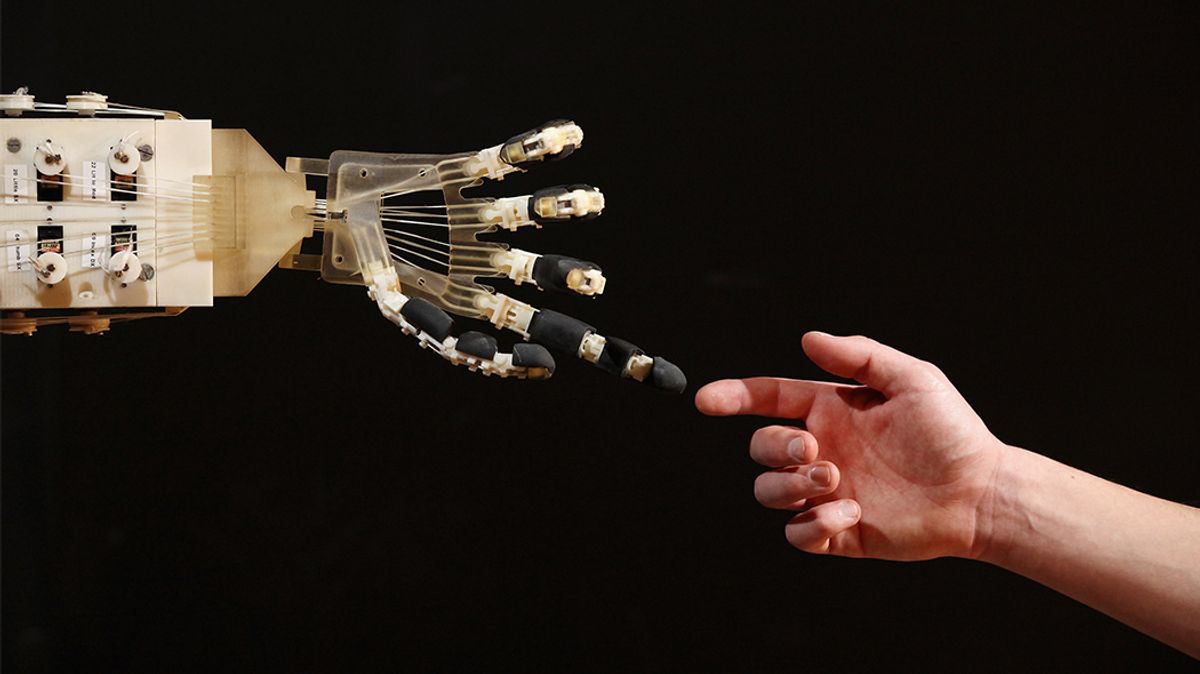
Empowering Clinicians with AI-Assisted Decision-Making
In the realm of healthcare, the integration of AI in Clinical Decision Support is transforming the way clinicians approach patient care. By harnessing the power of AI in Patient Care Technology, medical professionals are equipped with advanced tools that enhance their decision-making capabilities. This not only streamlines the diagnostic process but also ensures that treatment plans are more accurate and tailored to individual patient needs.
The benefits of AI for Healthcare Efficiency are manifold. For instance, AI-driven CRM systems are pivotal in enhancing customer insights and improving experiences, which directly translates to patient care. Similarly, the use of AI in developing customized product innovations leads to more efficient and personalized healthcare solutions, facilitating market expansion and better patient outcomes.
The synergy between AI and healthcare professionals is creating a paradigm shift in patient care delivery. It is not just about replacing human expertise but augmenting it with intelligent insights derived from data analysis.
To truly appreciate the impact of AI on healthcare, consider the following points:
- AI algorithms analyze vast volumes of historical data to identify optimal medications and treatment regimens.
- Predictive analytics powered by AI can foresee patient care issues, allowing for proactive interventions.
- Virtual assistants and management software reduce administrative burdens, allowing clinicians to focus more on patient care.
As we continue to witness the evolution of AI in healthcare, it is crucial for medical professionals to embrace these technologies. Doing so will not only enhance their own efficiency but also significantly improve patient safety and care quality. Let us step into the future of healthcare, where AI is not just an aid but a fundamental component of patient-centric care.
Enhancing Compliance with Diagnostic and Treatment Protocols
In the realm of healthcare, compliance with diagnostic and treatment protocols is not just a regulatory requirement; it's a cornerstone of patient safety and quality care. AI Medical Records Management systems are revolutionizing this aspect by providing a seamless way to track and manage patient data. These systems ensure that every diagnostic step and treatment decision is recorded, traceable, and aligned with the latest medical guidelines.
AI for Medical Imaging is another transformative force, offering unprecedented precision in diagnosis. By analyzing medical images with AI-driven algorithms, clinicians can detect anomalies with greater accuracy and speed, leading to more timely and appropriate interventions.
The integration of AI in healthcare is not merely a technological upgrade; it is a paradigm shift towards a more reliable, efficient, and patient-centric model of care.
To truly harness the power of AI in enhancing compliance, healthcare providers must consider the following:
- Implementing AI-driven analytics to monitor adherence to protocols.
- Utilizing AI to streamline the review and update of treatment guidelines.
- Leveraging AI to personalize patient care plans, ensuring they adhere to the best possible protocols.
Embrace the future of healthcare by integrating AI into your practice. Enhance patient safety, improve treatment outcomes, and ensure compliance with the highest standards of care. The time to act is now.
Security and Privacy Considerations in AI Healthcare Solutions
In the vanguard of AI in Healthcare Innovation, the sanctity of patient data stands paramount. Healthcare AI Development has surged, but with it comes the imperative to fortify the bulwarks of privacy and security. AI Healthcare Solutions Providers are tasked with a dual mandate: to advance the frontiers of medicine while safeguarding the intimate details of patient lives.
- Robust Encryption: Ensuring data is unreadable to unauthorized parties.
- Multi-Factor Authentication: Adding layers of security to verify user identities.
- Secure Storage Solutions: Protecting data from breaches with advanced technology.
AI-Enabled Healthcare Devices, while transformative, must be deployed with a keen eye on these security measures. The trust of patients and compliance with regulations like HIPAA hinge on the meticulous execution of these protocols.
The landscape of AI in healthcare is a tapestry of opportunity and obligation. As we navigate this terrain, let us commit to a future where innovation and integrity are inextricable. Engage with us as we explore the depths of AI's potential in patient care, and join the conversation to shape a world where technology heals with a touch that respects the individual.
Conclusion
The integration of AI into healthcare is not just a fleeting trend but a transformative movement poised to redefine patient care and operational efficiency. As we have explored, AI-infused custom healthcare solutions are enhancing diagnostics, telemedicine, and patient management, offering a glimpse into a future where technology and healthcare are inextricably linked. The insights from industry leaders like Roche Pharma Germany underscore the potential for AI to make medical knowledge more accessible and actionable, leading to improved patient outcomes and streamlined workflows. With the advent of cloud computing, predictive analytics, and AI-powered virtual assistants, the healthcare industry is on the cusp of a new era where personalized, efficient, and evidence-based care is the norm. As we look ahead, it is clear that the continued adoption and refinement of AI technologies will play a pivotal role in shaping the healthcare landscape of tomorrow.
Frequently Asked Questions
How is AI improving diagnostic precision in healthcare?
AI is enhancing diagnostic precision through advanced image recognition for early anomaly detection, predictive analytics to anticipate patient care needs, and leveraging big data for evidence-based treatment recommendations. These AI-driven tools analyze vast amounts of medical data, leading to quicker and more accurate diagnoses.
What role does AI play in optimizing healthcare operations?
AI plays a crucial role in streamlining hospital management software, reducing administrative workloads with AI-powered virtual assistants, and enhancing operational workflows through cloud computing. It helps in predictive analytics for patient care issues and speeds up official tasks, allowing resources to operate optimally.
In what ways are healthcare solutions becoming more personalized with AI?
AI-infused technologies enable customized treatment regimens based on patient data analysis, the emergence of AI-driven telemedicine, and remote monitoring for better patient engagement. A hybrid approach combining generative AI with protocol-based workflows offers a more personalized and comprehensive service.
What are some upcoming trends and innovations in AI for healthcare?
Future trends include advancements in natural language processing and computer vision for more intuitive interfaces, the rise of wearable devices and healthcare apps for remote patient monitoring, and AI's anticipated impact on healthcare efficiency and quittance in 2024.
How does AI contribute to compliance and patient safety in healthcare?
AI assists clinicians in decision-making, which helps reduce workload, accelerate processes, and enhance compliance with diagnostic and treatment protocols. The integration of AI technologies like Azure AI Health Bot ensures adherence to medical guidelines while improving patient safety.
What are the privacy and security considerations with AI in healthcare?
With the integration of AI in healthcare, there is a need for strict adherence to security standards to protect patient data. Technologies like the Azure AI Health Bot are being tailored to regional market needs while ensuring compliance with necessary security and privacy regulations.
Comments
Post a Comment