Revolutionizing Healthcare: The Impact of AI-Driven Custom Solutions on Patient Care and Workflow Efficiency
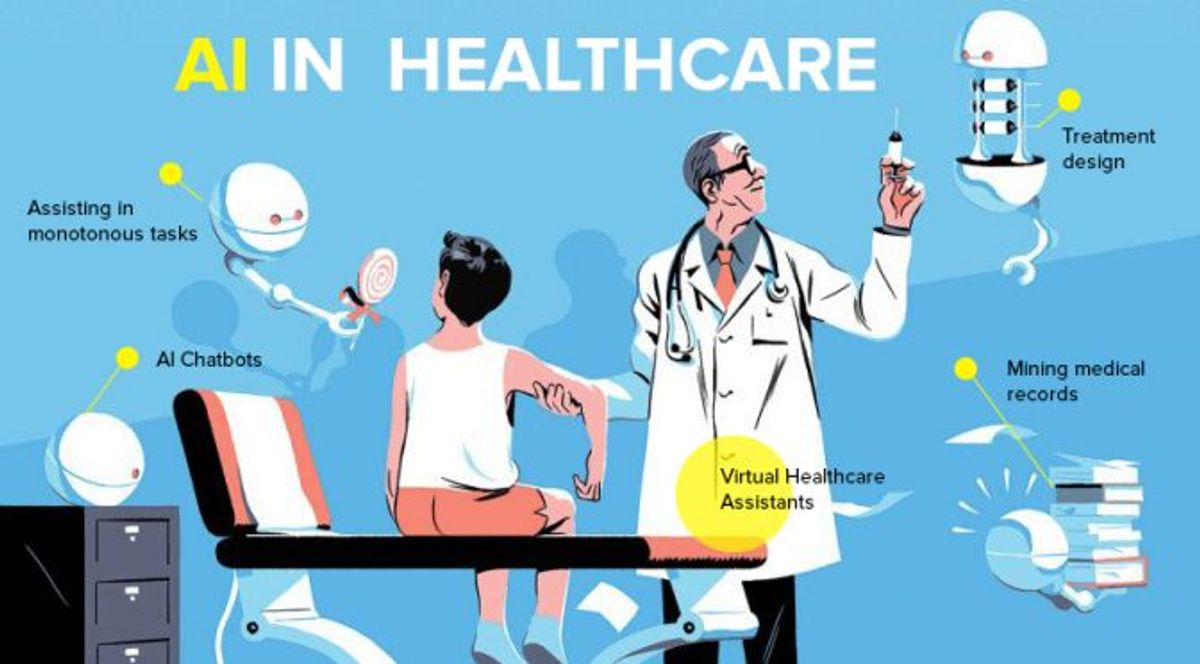
Revolutionizing Healthcare: The Impact of AI-Driven Custom Solutions on Patient Care and Workflow Efficiency delves into the transformative role of artificial intelligence (AI) in healthcare. This exploration uncovers how AI applications in diagnostics, treatment, patient management, and clinical workflows are not just reshaping healthcare operations but also significantly enhancing patient care. As AI technologies streamline administrative tasks and optimize healthcare delivery, the industry stands on the cusp of a new era where efficiency, personalization, and patient satisfaction are paramount.
Key Takeaways
- AI-driven diagnostics and treatment enable precision medicine, offering tailored healthcare solutions and predicting health issues before they arise.
- Clinical workflow automation with AI significantly reduces manual effort, allowing healthcare professionals to focus more on direct patient care.
- Operational efficiencies and cost reductions in healthcare are achieved through AI automation, optimizing resource allocation, and streamlining supply chains.
- Remote patient monitoring and telemedicine, powered by AI, are expanding access to care and enabling home-based healthcare models.
- AI is revolutionizing drug discovery and medical research by accelerating research pace, enhancing clinical trial efficiency, and leveraging big data for medical breakthroughs.
Enhancing Patient Care through AI-Driven Diagnostics and Treatment

Precision Medicine: Tailoring Treatment to Individual Needs
In the realm of healthcare, Personalized Medicine AI Technology stands at the forefront of innovation, transforming patient care into a finely tuned service that addresses the unique genetic and medical profile of each individual. This technology enables healthcare professionals to devise highly personalized treatment plans, ensuring that therapy is not only effective but also aligned with the patient's specific needs.
- Tailored Treatment Plans: AI analyzes vast arrays of patient data, including genetic information, to suggest personalized treatment plans.
- Drug Personalization: AI's role is pivotal in determining medication and dosage plans that are customized to an individual's genetic composition and medical history.
The promise of personalized medicine is not just in the customization of care, but also in the enhanced monitoring and ongoing adjustment of treatment plans, ensuring that patients receive the most effective care throughout their health journey.
The integration of Personalized Medicine AI Technology into healthcare systems is not a distant dream but a burgeoning reality. As we continue to witness the growth of AI in healthcare, it is imperative to stay informed and engaged with the latest developments. Embrace the future of healthcare by exploring how AI can cater to your unique medical needs. Let's revolutionize patient care together.
Predictive Analytics: Anticipating Health Issues Before They Arise
In the realm of AI in Healthcare Innovation, predictive analytics stand as a beacon of proactive patient management. AI-Powered Medical Diagnostics are shifting the paradigm from reactive to preventive care, harnessing the power of AI Healthcare Data Analysis to foresee potential health issues. This foresight is not just a technological marvel; it's a compassionate approach to patient care, ensuring that individuals receive attention before a condition escalates.
By integrating Predictive Analytics in Healthcare AI, we are witnessing a transformative era where AI-Enabled Healthcare Devices and AI in Clinical Decision Support systems are not just tools, but partners in health management. These advancements are a testament to the dedication of AI Healthcare Solutions Providers in enhancing the quality of life for patients worldwide.
AI in Patient Care Technology is not a distant future concept; it's here, revolutionizing the way we approach healthcare. AI in Healthcare Management Systems is optimizing workflows, making healthcare more accessible and personalized. The table below illustrates the impact of AI-driven predictive analytics on various aspects of healthcare:
| Aspect | Impact of AI-Driven Predictive Analytics |
|---|---|
| Preventive Care | Anticipating health issues, enabling early interventions |
| Resource Allocation | Streamlining processes, reducing wait times |
| Patient Follow-ups | Automating reminders, improving patient engagement |
| Chronic Condition Monitoring | Enhancing continuous care, reducing hospital readmissions |
As we continue to navigate the complexities of healthcare, the role of AI cannot be overstated. It is an ally in our quest to deliver compassionate, efficient, and effective care. Let us embrace the potential of AI Healthcare Solutions and forge a path to a healthier future for all.
AI in Imaging: Revolutionizing Radiology and Pathology
The advent of AI for Medical Imaging is a game-changer for radiology and pathology, fields where precision and speed can mean the difference between life and death. AI-driven solutions are not just augmenting the capabilities of medical professionals; they are reshaping the entire diagnostic landscape.
AI algorithms, integrated with Radiology Information Systems (RIS), are enhancing diagnostic accuracy, allowing for the detection of abnormalities with unprecedented precision. This synergy is not only improving patient outcomes but also addressing the high demand for radiology services. As the volume of medical images skyrockets, AI assists in triaging cases and prioritizing urgent studies, providing a much-needed reprieve for overburdened radiologists.
The integration of AI with RIS promises to transform radiology practices by streamlining workflow and efficiency.
Yet, the full potential of AI in medical imaging can only be realized with careful consideration of the integration challenges and ethical implications. As we stand on the brink of a new era in healthcare, it is imperative that we navigate these waters with diligence and foresight. The Bles Software website discusses these very topics, emphasizing the importance of efficiency and innovation in the realm of AI-driven automation.
The table below succinctly captures the impact of AI on radiology practices:
| Aspect | Impact of AI Integration |
|---|---|
| Diagnostic Accuracy | Enhanced |
| Workflow Efficiency | Improved |
| Demand Management | Addressed |
| Case Prioritization | Optimized |
Embrace the revolution in healthcare by exploring the transformative power of AI for Medical Imaging. Dive deeper into the subject and join the conversation on how we can collectively enhance patient care and workflow efficiency.
Streamlining Clinical Workflows with AI Automation

Automating Routine Administrative Tasks
The advent of AI in healthcare has ushered in a new era of efficiency, particularly in the realm of administrative tasks. Clinical workflow automation is a beacon of progress, offering a robust solution to the perennial challenges of paperwork and process management. By delegating tasks such as patient scheduling, medication management, and meticulous data entry to intelligent systems, healthcare facilities are witnessing a transformative shift in service delivery.
The integration of AI-driven automation into clinical workflows is not just an operational upgrade; it is a strategic move towards enhancing patient satisfaction and outcomes.
Consider the following benefits that have been observed:
- Reduction in time spent on administrative duties
- Minimized risk of human error
- Improved accuracy in patient records
- Streamlined communication between departments
These improvements are not merely incremental; they represent a significant leap forward in the pursuit of excellence in healthcare. As we continue to harness the power of AI, the potential for further advancements in patient care and workflow efficiency is boundless. Embrace the change, and witness the remarkable impact on both healthcare professionals and patients alike.
Optimizing Resource Allocation and Scheduling
In the intricate dance of healthcare delivery, optimizing resource allocation and scheduling is akin to choreographing a ballet. The precision and timing are critical, and AI is the maestro making it all come together seamlessly. By leveraging data-driven insights, healthcare facilities can predict patient inflow and align their resources accordingly, ensuring that no patient is left waiting unnecessarily and every professional's time is utilized effectively.
- Data-Driven Forecasting: Anticipating patient demands to provide timely care.
- Open Shift Management: Flexibility and transparency in staffing, reducing employment risks.
- Streamlined Workflow: AI's role in automating tasks to focus on patient care.
The implementation of AI-driven solutions in healthcare is not just about technology; it's about reimagining the patient experience and the daily routines of healthcare professionals.
The impact of these AI solutions extends beyond mere convenience; they are pivotal in enhancing patient safety and satisfaction. By reducing wait times and ensuring that healthcare providers are not overburdened, the risk of errors diminishes, and the quality of care escalates. Imagine a world where healthcare operates with the efficiency of a well-oiled machine, where every patient feels seen and cared for—this is the future AI promises.
Remember, the next time you visit a healthcare facility and marvel at the swift service, there's a good chance that AI had a hand in it. And if you're in the business of healthcare management, consider how AI can revolutionize your operations. Just like Stas Sorokin, a Pro on Fiverr, harnesses the power of technology for web development, AI in healthcare is the expertise that can elevate patient care to new heights.
Improving Patient Record Management and Data Accessibility
The integration of AI Medical Records Management systems marks a transformative leap in healthcare. These systems provide immediate access to electronic health records (EHRs), enabling healthcare providers to make rapid, informed decisions. Such efficiency not only elevates the patient experience but also ensures care is based on the most current information.
Automation extends the reach of healthcare services, particularly benefiting patients in remote areas or with mobility issues. The result is a more inclusive healthcare system, where quality services are accessible to all.
Automated medication management systems are another cornerstone of AI-driven improvements, reducing prescription errors and ensuring timely medication administration. This enhances patient safety and contributes to a more positive patient experience.
- Top Ways AI Enhances Patient Record Management:
- Instantaneous access to EHRs
- Streamlined medication management
- Efficient diagnostic processes
- Predictive analytics for preventive care
Healthcare providers are now poised to approach patient care with unprecedented precision and personalization. AI plays a pivotal role in customer lifecycle management, operational excellence, and risk minimization. Embrace the future of healthcare by leveraging AI for strategic growth and competitive advantage.
Operational Efficiency and Cost Reduction in Healthcare Facilities
Reducing Overhead through Intelligent Automation
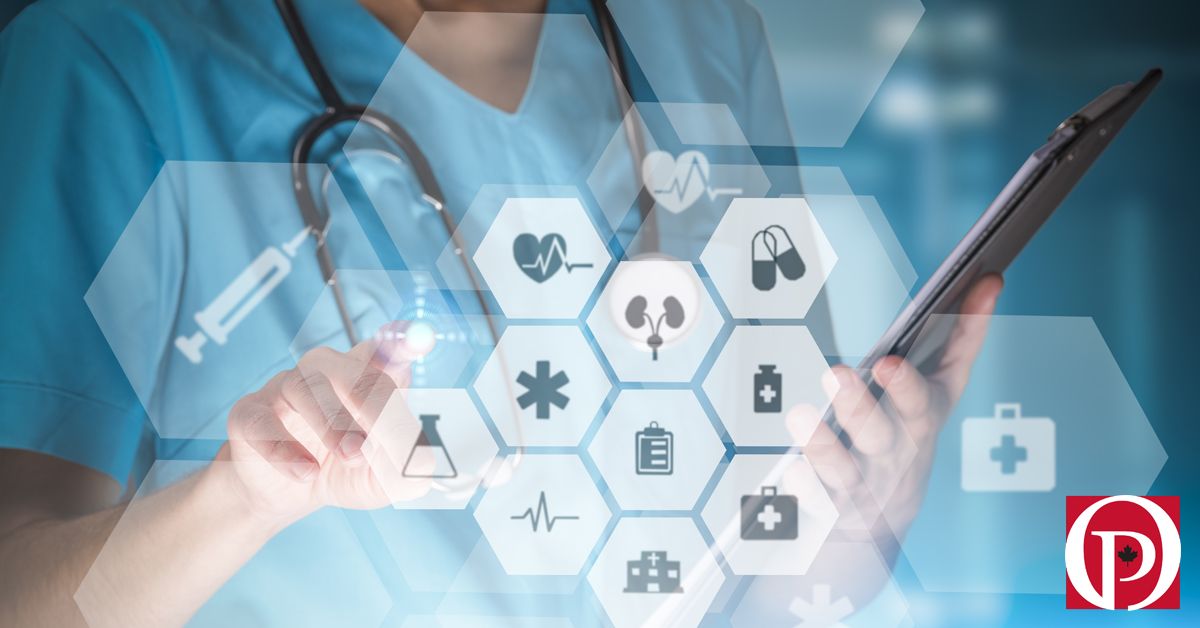
In the pursuit of excellence in healthcare, intelligent automation stands as a beacon of progress, significantly reducing overhead costs and enhancing operational efficiency. By automating routine administrative tasks, AI-driven solutions are not only streamlining workflows but also minimizing the likelihood of human error, leading to a more robust and error-resistant system.
The integration of AI into healthcare operations is not just a technological upgrade; it is a transformative shift towards a more sustainable and patient-focused model of care.
Consider the following benefits that AI brings to the table:
- Streamlined Workflow: Automation of scheduling, billing, and patient record management liberates healthcare professionals to concentrate on patient care.
- Resource Optimization: AI's advanced algorithms ensure optimal use of staff and equipment, leading to enhanced efficiency.
According to HealthAffairs, administrative expenses account for 15% to 30% of total healthcare expenditures. By adopting AI, healthcare facilities can significantly cut these costs. Workflow analysis is crucial in implementing these solutions effectively, ensuring that automation aligns with the overarching goals of improving patient care and operational efficiency.
Take the next step towards a more efficient healthcare system by embracing AI-driven solutions. Let's revolutionize healthcare together, one intelligent automation at a time.
Enhancing Supply Chain Management with Predictive AI
The integration of Predictive AI into supply chain management is transforming the healthcare industry by ensuring that the right resources are available at the right time. Predictive analytics harness the power of historical data and machine learning to forecast demand, prevent shortages, and maintain optimal inventory levels. This proactive approach not only secures the necessary medical supplies for patient care but also significantly reduces waste and inefficiencies.
- Inventory Forecasting: AI predicts future inventory needs, preventing stockouts or overstocking.
- Demand Planning: Accurate demand predictions enable better procurement strategies.
- Supplier Performance: AI monitors supplier reliability and quality, ensuring high standards.
By optimizing supply chain operations, healthcare facilities can focus more on patient care and less on logistical concerns.
The cost savings from improved supply chain management are substantial, allowing for reinvestment into patient services and innovation. Healthcare providers are now poised to deliver care that is not only more efficient but also more personalized and responsive to patient needs.
Embrace the future of healthcare by considering how AI-driven solutions can enhance your facility's operations. The time to act is now—adopt AI to ensure your patients receive the best care possible while also streamlining your workflow and cutting costs.
AI-Powered Resource Optimization: Maximizing Staff and Equipment Utilization
In the quest for AI for Healthcare Efficiency, the integration of AI-driven analytics is not just a trend but a transformative force. These analytics revolutionize healthcare facilities by providing actionable insights that enhance strategic agility. By optimizing sales and market intelligence, healthcare providers can adapt and continuously improve their services.
The benefits of AI in resource optimization are manifold:
- Streamlined Workflow: AI automates tasks, freeing professionals to focus on care.
- Resource Optimization: AI enhances staff scheduling and equipment use, boosting efficiency.
AI-driven solutions address operational issues, reduce errors, and improve resource allocation, directly impacting patient care quality.
For instance, tools like Flexwise Predict forecast patient demand and staffing needs, while Flexwise Align and Connect enhance workflow and team engagement. The result is a healthcare system that is more responsive, efficient, and patient-centric.
Embrace the future of healthcare by considering how AI can revolutionize your facility's operations. The time to act is now—unlock the potential of AI to create a more efficient and effective healthcare environment.
The Future of Telemedicine and Remote Patient Monitoring
Home-Based Care and Virtual Health Assistants
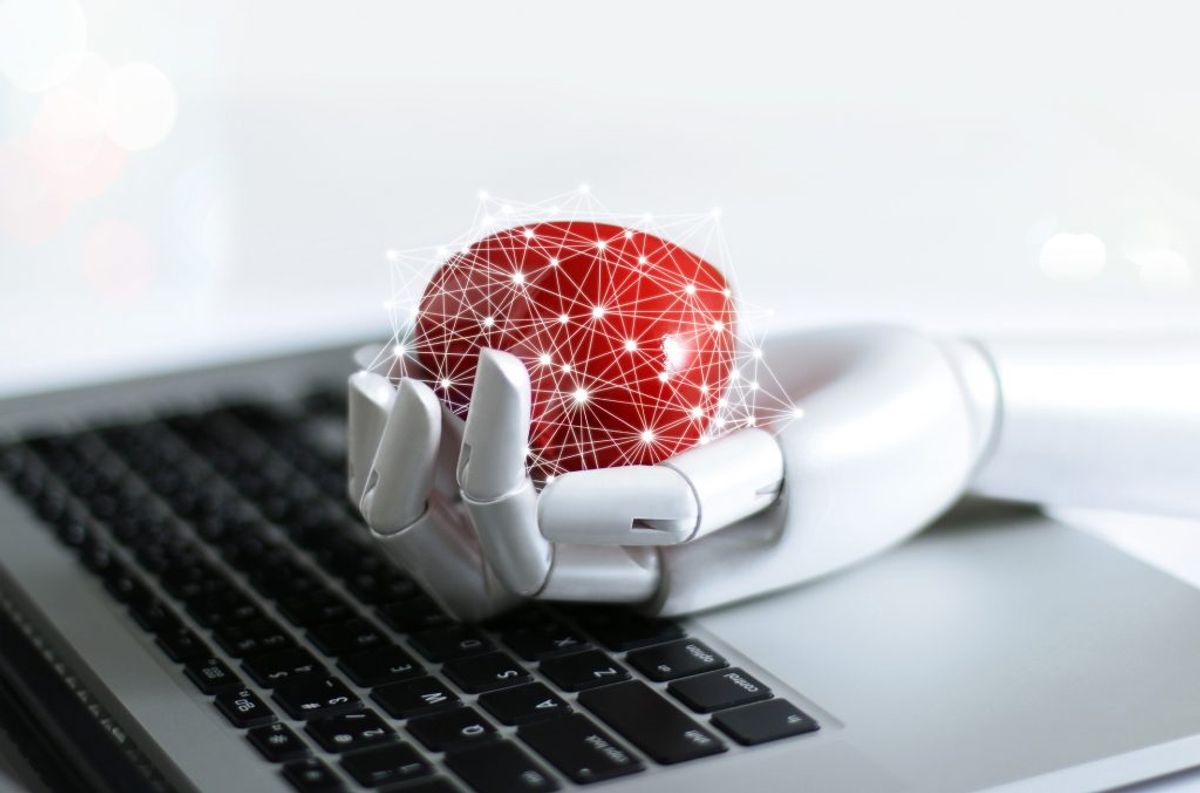
The advent of AI Telemedicine Advancements has been a game-changer in the realm of home-based care. With the integration of AI, patients now experience a new level of personalized healthcare, right from the comfort of their own homes. Virtual health assistants, powered by sophisticated algorithms, are at the forefront of this transformation, offering support and guidance that was once only available in a clinical setting.
The seamless integration of AI within clinical workflows marks a pivotal shift towards more individualized patient care, reflecting the broader trend of customization and AI integration that is essential for a competitive advantage.
AI telemedicine tools not only facilitate remote diagnosis and monitoring but also ensure that healthcare is more accessible, particularly in underserved areas. Here's how AI is enhancing home-based care:
- Remote Diagnosis: Leveraging AI to assess patient symptoms and provide preliminary diagnoses.
- Healthcare Bots: Offering immediate responses to patient inquiries and managing routine healthcare tasks.
- Virtual Consultations: Enabling real-time communication between patients and healthcare providers.
By embracing these technologies, healthcare providers can deliver high-quality care while reducing the need for physical travel, which is especially beneficial for those with mobility issues or in remote locations. The future of healthcare is here, and it's in your home.
Remote Monitoring Technologies: Extending the Reach of Healthcare Providers
The advent of remote monitoring technologies marks a pivotal shift in healthcare delivery, extending the reach of healthcare providers beyond the confines of traditional settings. Patients with chronic conditions now experience a new level of autonomy and reassurance, thanks to AI-powered wearable devices and applications that offer continuous monitoring of vital signs. This innovation not only enhances patient care but also ushers in a new era of operational efficiency within healthcare facilities.
The seamless interdepartmental coordination facilitated by remote monitoring systems ensures that patient data flows effortlessly between specialists, enabling a holistic approach to patient care.
Increased access to care is another cornerstone of remote monitoring. Patients in remote or underserved areas, who previously faced significant barriers to healthcare access, can now engage with providers with ease. Mobility issues or geographical isolation no longer dictate the quality of healthcare one can receive.
- Enhanced Patient Care and Monitoring: Continuous tracking of patient vitals for proactive management of chronic conditions.
- Predictive Care: Leveraging AI to anticipate and address potential health issues with preventive measures.
- Immediate Access to Health Records: Ensuring patient data is readily available for timely and informed decision-making.
In conclusion, remote monitoring technologies are not just a convenience; they are a lifeline for many, democratizing healthcare and bringing it into the digital age. For those looking to integrate such transformative solutions, professional API integration services are available, starting at $175, specializing in various protocols essential for seamless healthcare communication.
Telemedicine: Bridging the Gap in Access to Care
The advent of telemedicine has been nothing short of a revolution, democratizing healthcare by making it accessible to all, regardless of geographical barriers. With the integration of AI, telemedicine is not just a stopgap for traditional care; it's a comprehensive solution that brings the doctor's office to the patient's home.
The convenience and efficiency of telemedicine are unparalleled, especially for those in remote or underserved areas. It's a testament to how technology can extend a healing hand across miles, ensuring that quality care is never out of reach.
Here's how AI is making a difference in telemedicine:
- Remote Diagnostics: AI algorithms can analyze medical data to diagnose patients in real-time, reducing the need for in-person visits.
- Virtual Health Assistants: These AI-powered tools can provide immediate healthcare advice and schedule appointments, enhancing patient engagement.
- Healthcare Bots: Offering support and answering queries, these bots streamline the patient experience, making healthcare more responsive.
By leveraging AI, telemedicine is not only bridging the gap in access to care but is also paving the way for a future where healthcare is more personalized, efficient, and inclusive. Embrace the change and enhance healthcare with AI expertise. Our specialized services in advanced diagnostics and predictive health analytics are at the forefront of this transformation. Don't miss out on the opportunity to revolutionize patient care in your practice.
Revolutionizing Drug Discovery and Medical Research with AI
Accelerating the Pace of Pharmaceutical Research
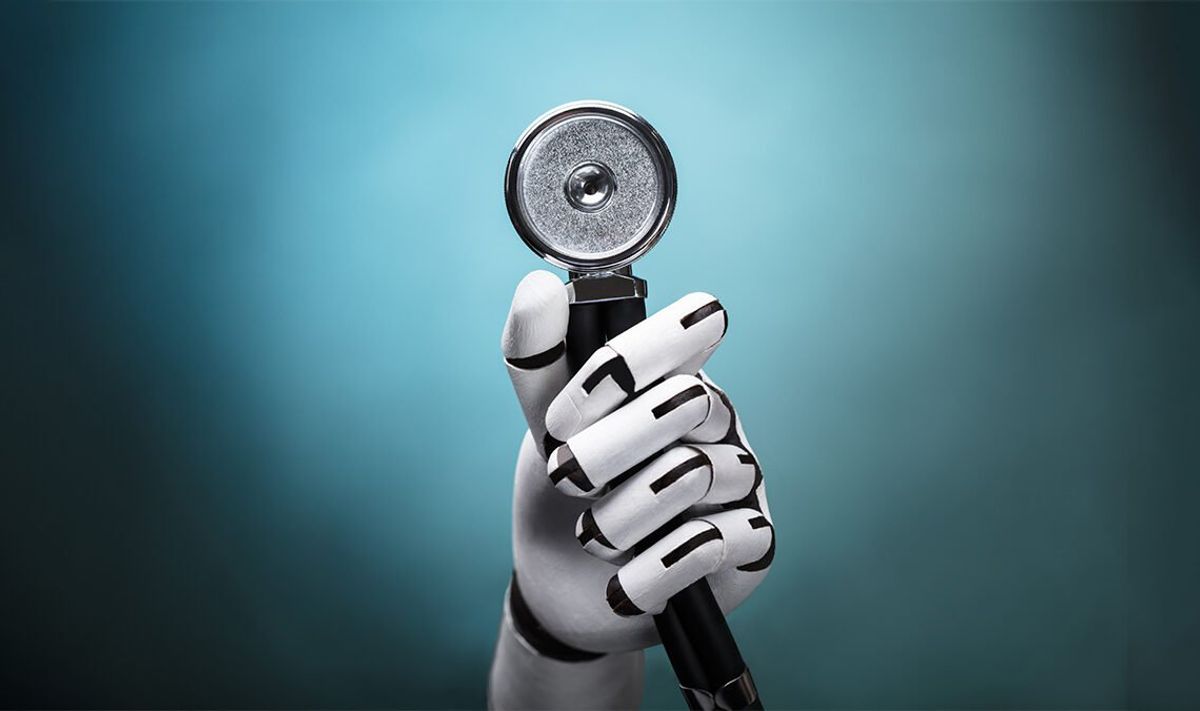
The advent of AI in pharmaceutical research is akin to a scientific renaissance, transforming the landscape of drug discovery and development. By harnessing the power of AI, researchers can predict how drugs will react to diseases, leading to more efficient and cost-effective research. This is not just a leap forward; it's a paradigm shift that promises to bring life-saving treatments to patients faster than ever before.
The integration of AI into pharmaceutical research is a beacon of hope for patients worldwide, offering a faster track to the development of new treatments.
The impact of AI on the pharmaceutical industry is quantifiable. The US Congressional Budget Office reports that developing a new drug costs between $1 billion and $2 billion, considering the failures. However, AI's predictive capabilities can cut the design and screening time for new drugs by nearly 50%, potentially saving the industry an estimated $26 billion annually. Here's a snapshot of the efficiency gains:
| Process | Traditional Duration | AI-Enhanced Duration |
|---|---|---|
| Drug Design | Several Years | Halved Time |
| Screening | Multiple Phases | Streamlined Phases |
As we continue to witness these advancements, it's crucial to stay informed and engaged. The potential for AI to revolutionize healthcare is immense, and it's up to us to embrace and foster this innovation. Remember, the next breakthrough in medicine could be just around the corner, thanks to AI. Stay tuned, and let's explore this journey together.
AI in Clinical Trials: Enhancing Efficiency and Safety
The advent of AI in clinical trials is a game-changer, offering a beacon of hope for accelerating the development of life-saving drugs while ensuring patient safety. AI integration in software development is pivotal, enhancing every phase from testing to deployment, and from maintenance to design. This integration boosts productivity, quality, and efficiency through automation and predictive capabilities, which are essential in the high-stakes environment of clinical trials.
Clinical trials are complex and multifaceted, often involving vast amounts of data that must be meticulously analyzed. AI steps in as a powerful ally, capable of sifting through this data with unprecedented speed and accuracy. Consider the following benefits AI brings to the table:
- Streamlined Data Management: AI systems can organize and analyze large datasets, reducing the risk of human error.
- Enhanced Patient Selection: Algorithms can identify suitable trial participants, ensuring a more effective and safer trial.
- Predictive Safety Analysis: AI can predict potential adverse effects before they occur, safeguarding patient health.
The integration of AI not only expedites the process but also fortifies the safety measures, setting a new standard in clinical research.
The impact of AI on clinical trials cannot be overstated. It's not just about speed; it's about the precision and safety of the treatments being tested. As we continue to embrace AI in healthcare, we are stepping into a future where medical breakthroughs are achieved with greater efficiency and confidence. Let's continue to support and invest in AI-driven solutions that promise to revolutionize patient care and elevate the standards of clinical research.
Leveraging Big Data for Breakthroughs in Medical Science
In the realm of medical science, big data is the cornerstone of innovation. The vast arrays of information collected from electronic health records, genetic databases, and wearable technology are fueling a revolution in how we understand and treat diseases. By harnessing the power of big data, AI algorithms can identify patterns and insights that would be impossible for humans to discern unaided.
The integration of big data with AI is not just a technological advancement; it's a beacon of hope for patients awaiting breakthrough treatments.
Consider the impact of personalized medicine, where AI analyzes patient data to suggest tailored treatment plans. This is not a distant dream but a burgeoning reality. Here's how AI and big data are transforming patient care:
- Personalized Medicine: Creating customized therapies based on genetic profiles.
- Drug Personalization: Determining individualized medication and dosage plans.
- Predictive Analytics: Anticipating health outcomes to preemptively address potential issues.
The implications for patient outcomes and healthcare efficiency are profound. As we continue to leverage big data, we edge closer to a future where medical treatments are not just effective but are also uniquely suited to each individual's genetic makeup and lifestyle.
We invite you to join us on this journey of discovery and innovation. Embrace the potential of AI and big data in healthcare, and witness how they pave the way for a healthier tomorrow. Your engagement is crucial; together, we can transform the landscape of medical science and patient care.
Conclusion
The integration of AI-driven custom solutions in healthcare is not merely a technological upgrade but a paradigm shift towards a more efficient, personalized, and patient-centric model of care. By automating routine tasks and enhancing diagnostic accuracy, AI empowers healthcare professionals to devote more time to direct patient care, thereby improving patient outcomes and satisfaction. The strategic adoption of AI in clinical workflows signifies a transformative vision for healthcare, where operational efficiency is optimized, and the patient experience is elevated. As we embrace this era of AI-enabled healthcare, it is imperative to continue exploring and refining these technologies to ensure they align with the ethical standards and the evolving needs of patients and providers alike. The journey ahead is promising, and the potential for AI to revolutionize healthcare is immense, marking a new chapter in the way we approach health and wellness.
Frequently Asked Questions
How does AI-driven diagnostics improve patient care?
AI-driven diagnostics enhance patient care by providing more accurate and rapid disease detection, personalized treatment plans, and predictive analytics to anticipate health issues before they arise, leading to better outcomes and patient-centric care.
What are the benefits of AI in clinical workflow automation?
AI in clinical workflow automation streamlines operations by automating routine tasks, optimizing resource allocation, and improving patient record management. This allows healthcare providers to focus more on direct patient care and improves overall operational efficiency.
Can AI reduce costs in healthcare facilities?
Yes, AI can significantly reduce costs in healthcare facilities by automating administrative tasks, enhancing supply chain management, and optimizing resource and equipment utilization, leading to reduced overhead and more efficient service delivery.
What role does AI play in telemedicine and remote patient monitoring?
AI plays a pivotal role in telemedicine and remote patient monitoring by facilitating home-based care, providing virtual health assistants, and extending the reach of healthcare providers through remote monitoring technologies, thereby improving access to care.
How is AI revolutionizing drug discovery and medical research?
AI is revolutionizing drug discovery and medical research by accelerating pharmaceutical research, enhancing the efficiency and safety of clinical trials, and leveraging big data to drive breakthroughs in medical science, speeding up the development of new treatments.
What is the future of AI in healthcare?
The future of AI in healthcare includes further integration of AI-driven solutions for personalized and efficient patient care, expansion of telemedicine, advanced remote monitoring, and a continued focus on automating healthcare operations to improve care quality and operational efficiency.
Comments
Post a Comment