Revolutionizing Healthcare: The Impact of AI-Infused Custom Solutions on Patient Care and Workflow Efficiency

Artificial Intelligence (AI) is rapidly transforming the healthcare industry, offering unprecedented advancements in patient care and workflow efficiency. This article explores the multifaceted impact of AI-infused custom solutions, from enhancing diagnostic precision to optimizing healthcare workflows. With insights from industry collaborations such as Cognizant and Microsoft, we delve into the ways AI is revolutionizing healthcare administration and patient management, and how these innovations contribute to better outcomes and cost containment.
Key Takeaways
- AI is significantly improving diagnostic accuracy through advanced imaging and analysis, pathology, and predictive analytics for preventive care.
- Custom AI solutions are enabling personalized treatment plans, telemedicine services, and enhanced patient engagement and monitoring.
- AI-driven automation is streamlining administrative tasks, boosting operational efficiency, and reducing costs and errors in healthcare workflows.
- The integration of AI is advancing healthcare interoperability, facilitating data exchange, and standardizing information for patient-centric care.
- AI plays a crucial role in securing patient data, ensuring regulatory compliance, and building trust in AI healthcare solutions.
Enhancing Diagnostic Precision with AI

Advancements in Imaging and Analysis
The advent of AI-Powered Medical Diagnostics is a game-changer in the realm of healthcare. By integrating AI for Medical Imaging, clinicians are now equipped with tools that offer unprecedented accuracy and detail, leading to earlier and more precise diagnoses. This technological leap is not just about sharper images; it's about the deeper insights that come from advanced pattern recognition and learning algorithms.
- AI algorithms can detect subtle changes in imaging that may be overlooked by the human eye.
- Machine learning models continuously improve, learning from each new case to enhance future diagnostics.
- AI-driven tools can integrate with existing healthcare systems, providing seamless support for medical professionals.
Embrace AI for transformative outcomes and strategic initiatives in the digital marketplace.
AI-driven data analysis offers operational excellence, efficiency, and competitive advantage. These benefits extend beyond the individual patient, impacting the entire healthcare ecosystem. As we continue to harness the power of AI, we pave the way for a future where medical interventions are not only reactive but also proactive and preventive. The call to action is clear: integrate AI into your healthcare strategy to unlock a new level of patient care and workflow efficiency.
AI in Pathology: A New Frontier
The integration of AI into pathology marks a pivotal shift in the realm of diagnostic medicine. Generative AI, as highlighted by industry leaders like Rob Dahdah of Microsoft, is not just an incremental improvement but a transformative force. It is reshaping how pathologists examine tissues and cells, leading to more accurate diagnoses and personalized treatment strategies.
The promise of AI in pathology lies in its ability to analyze vast datasets with precision and speed, surpassing human capabilities.
This is not merely about replacing the human element; it's about augmenting the pathologist's expertise with advanced tools. For instance, the collaboration between Cognizant and Microsoft is pioneering solutions that integrate generative AI into healthcare, aiming to enhance productivity and patient care.
- Increased diagnostic accuracy
- Reduction in manual errors
- Faster turnaround times for results
- Enhanced ability to detect rare conditions
By embracing these AI-driven advancements, healthcare providers can offer insights that were previously unattainable. Bles Software stands at the forefront of this innovation, emphasizing AI's role in scalable growth. As we continue to witness the evolution of AI in healthcare, it is crucial for industry stakeholders to stay informed and engaged. The future of patient care depends on it.
Predictive Analytics for Preventive Care
The advent of Predictive Analytics in Healthcare AI is a game-changer, offering a crystal ball into the future of patient health. By analyzing vast datasets, AI can identify patterns and predict outcomes, enabling healthcare providers to intervene early and prevent adverse events. This proactive approach is not just about averting illness; it's about fostering a healthier society.
Predictive analytics empowers decision-makers to act with confidence. Steps include data collection, model development, algorithm refinement, and strategy translation. AI metrics drive continuous improvement and benchmarking for transformative strategies.
AI in Clinical Decision Support systems takes this a step further by integrating predictive analytics directly into the clinical workflow. This integration allows for real-time insights, aiding clinicians in making informed decisions swiftly. The table below illustrates the impact of predictive analytics on various healthcare aspects:
| Aspect | Impact of Predictive Analytics |
|---|---|
| Disease Prevention | Early identification of risk factors |
| Treatment Optimization | Tailored therapy regimens |
| Resource Allocation | Efficient use of medical resources |
| Patient Outcomes | Improved quality of life |
Embrace the power of AI to transform healthcare. Let's not wait for the future; the tools for a healthier tomorrow are here today. Harness them to deliver care that's not just reactive, but predictive and preventive. The time to act is now—join us in revolutionizing healthcare for the betterment of all.
Revolutionizing Patient Management Through AI Integration

Personalized Treatment Plans
The advent of Personalized Medicine AI Technology marks a transformative era in healthcare, where treatments are tailored to the individual genetic makeup, lifestyle, and environment of each patient. This bespoke approach to medicine is not just a futuristic concept; it's a reality that's improving outcomes and patient satisfaction today.
- Precision: AI algorithms analyze vast datasets to identify patterns and predict health risks, enabling early intervention.
- Customization: Treatments are adapted to the patient's unique profile, increasing the efficacy of medical interventions.
- Empowerment: Patients are more engaged in their care, understanding that their treatment is designed specifically for them.
By harnessing the power of AI, healthcare providers can craft personalized treatment plans that are not only effective but also resonate with the needs and values of their patients.
The integration of AI into healthcare is not without its challenges, but the potential benefits are immense. As we continue to refine these technologies, we must ensure that they are accessible and beneficial to all. The promise of Personalized Medicine AI Technology is a future where healthcare is more predictive, preventive, and precise. Embrace the revolution—your health deserves nothing less.
AI-Powered Telemedicine Services
The advent of AI Telemedicine Advancements has been a game-changer in the realm of patient care, offering a blend of convenience and precision that was once unimaginable. Telemedicine, powered by AI, is not just a technological leap but a means to bridge the gap between patients and healthcare providers, especially in remote or underserved areas.
AI analytics, a cornerstone of these advancements, are not only enhancing the quality of telehealth services but are also instrumental in driving revenue growth and customer engagement. The integration of predictive analytics into telemedicine platforms allows for a more personalized experience, fostering patient loyalty and potentially increasing revenue through AI-driven insights.
The synergy between AI and telemedicine is crafting a future where healthcare is more accessible, proactive, and tailored to individual needs.
The benefits of AI in telemedicine are manifold, including but not limited to:
- Real-time monitoring and analysis of patient data
- Enhanced decision support for healthcare professionals
- Streamlined appointment scheduling and follow-up
- Improved medication management and adherence
- Access to specialist care regardless of geographical constraints
As we continue to navigate the complexities of healthcare, it is imperative that we embrace these AI-driven solutions to ensure a higher standard of patient care and operational efficiency. The potential for AI to revolutionize telemedicine is immense, and the time to leverage its capabilities is now.
Improving Patient Engagement and Monitoring
The integration of AI into healthcare has ushered in a new era of patient engagement and monitoring, transforming the way care is delivered and experienced. AI Medical Records Management systems are at the forefront of this change, offering a personalized approach to healthcare that is both efficient and effective.
With AI-driven solutions, healthcare providers can now leverage predictive analytics to anticipate patient needs and tailor interventions accordingly. This proactive stance not only enhances patient outcomes but also fosters a deeper connection between patients and their care teams.
The promise of AI in healthcare is not just in the technology itself, but in its capacity to empower patients and providers alike, creating a more collaborative and responsive care environment.
The benefits of improved patient engagement and monitoring are manifold:
- Enhanced patient satisfaction through personalized care
- Better adherence to treatment plans
- Early detection of potential health issues
- Streamlined communication between patients and providers
As we continue to witness the transformative impact of AI on patient care, it is imperative for healthcare organizations to adopt these advanced technologies. Embrace the future of healthcare by integrating AI solutions that prioritize patient engagement and monitoring, and witness the remarkable improvements in care delivery and patient outcomes.
Optimizing Healthcare Workflows with AI-Driven Automation
Streamlining Administrative Tasks
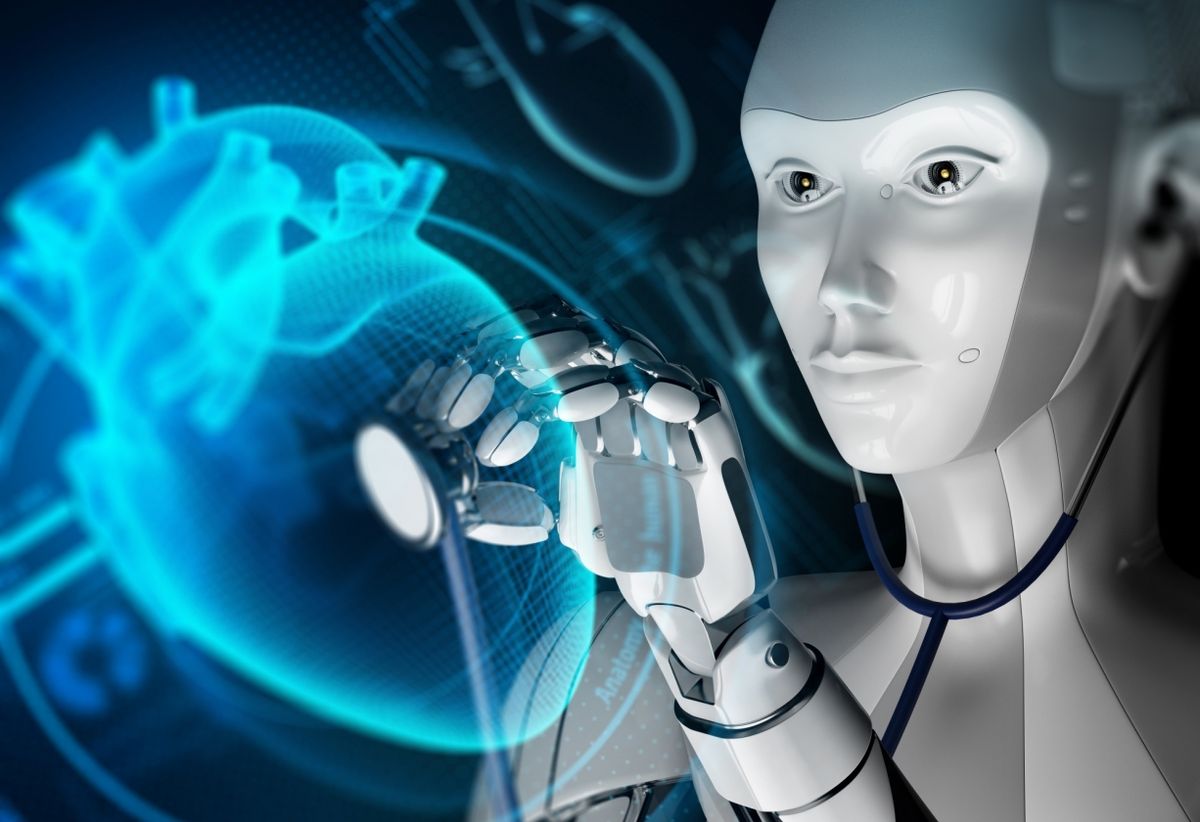
In the realm of healthcare, administrative tasks often form a Gordian knot of complexity, but AI-powered analytics drive operational excellence by untangling this web. By leveraging AI, healthcare providers can increase efficiencies and improve cost containment at scale. For instance, AI can simplify desk-level procedures, reducing processing time and enhancing accuracy.
- AI contextualizes procedures, tailoring micro-automations to the task at hand.
- Generative AI interprets documents, offering configuration templates for quick workflow initiation.
- Solutions like the TriZetto Assistant on Facets automate steps, enrich content, and access enterprise data, boosting user experiences.
With AI, the focus shifts from mundane administrative tasks to delivering high-quality patient care. The result is a healthcare system that is not only more efficient but also more responsive to the needs of patients.
AI does not replace the human touch; it enhances it by freeing up valuable time for healthcare professionals. This time can be redirected towards patient interaction, where the human element is irreplaceable. Embrace the change and witness a transformation in healthcare efficiency and patient satisfaction. Let AI take the strain, so you don't have to.
Enhancing Operational Efficiency
In the realm of Healthcare AI Development, operational efficiency is not just a goal; it's a necessity for survival and growth. AI-driven automation is transforming healthcare workflows, enabling providers to focus on what truly matters—the patient. By automating routine tasks, AI is freeing up valuable time for healthcare professionals, allowing them to dedicate more attention to patient care and complex decision-making.
The integration of AI into healthcare operations is akin to having a digital assistant that never sleeps. It's constantly analyzing, optimizing, and streamlining processes to ensure that healthcare facilities run like well-oiled machines.
For instance, AI applications can interpret configuration documents and generate pre-built templates, providing a significant 'jump-start' to user workflows. This not only improves accuracy but also reduces processing time, which is critical in a high-stakes environment like healthcare. Moreover, solutions like the TriZetto Assistant on Facets are revolutionizing the way enterprise data is sourced and processed, enriching content and reducing manual steps in workflow.
To truly grasp the impact of AI on operational efficiency, consider the following points:
- AI contextualizes desk-level procedures, simplifying instructions and micro-automations.
- Generative AI provides configuration templates, enhancing the accuracy of configurations.
- Desktop automation tools, such as the TriZetto Assistant, complement human efforts by taking actions on behalf of the user.
Embrace the future of healthcare by integrating AI solutions that not only increase efficiencies but also improve cost containment at scale. The time to act is now—don't let your organization fall behind in the digital revolution.
AI in Healthcare: Cost Reduction and Error Minimization
The integration of AI into healthcare is not just a leap forward in patient care; it's a strategic move towards sustainable financial health for the sector. By harnessing the power of generative AI, healthcare organizations are witnessing a significant decrease in operational costs and a parallel reduction in errors. This dual benefit streamlines processes and ensures that resources are allocated efficiently, directly impacting the bottom line.
AI's ability to interpret complex documents and provide pre-built templates is revolutionizing the way healthcare providers approach administrative tasks. The result is a marked improvement in accuracy and a reduction in the time required to complete routine procedures.
Collaborations, such as the one between Cognizant and Microsoft, exemplify the transformative potential of AI in healthcare administration. These partnerships are paving the way for enhanced productivity and efficiency, while simultaneously improving patient outcomes. As AI continues to evolve, its role in cost containment and error minimization becomes increasingly indispensable.
To truly appreciate the impact of AI, consider the following benefits:
- Increased Efficiency: Simplified instructions and micro-automations accelerate desk-level procedures.
- Improved Accuracy: Generative AI's interpretation of documents leads to fewer mistakes in configurations.
- Cost Containment: Strategic AI applications result in significant savings at scale.
Embrace the future of healthcare by considering how AI can transform your organization. The time to act is now—adopt AI solutions to not only enhance patient care but also to secure the financial viability of your healthcare practice.
AI's Role in Advancing Healthcare Interoperability
Facilitating Data Exchange Across Systems
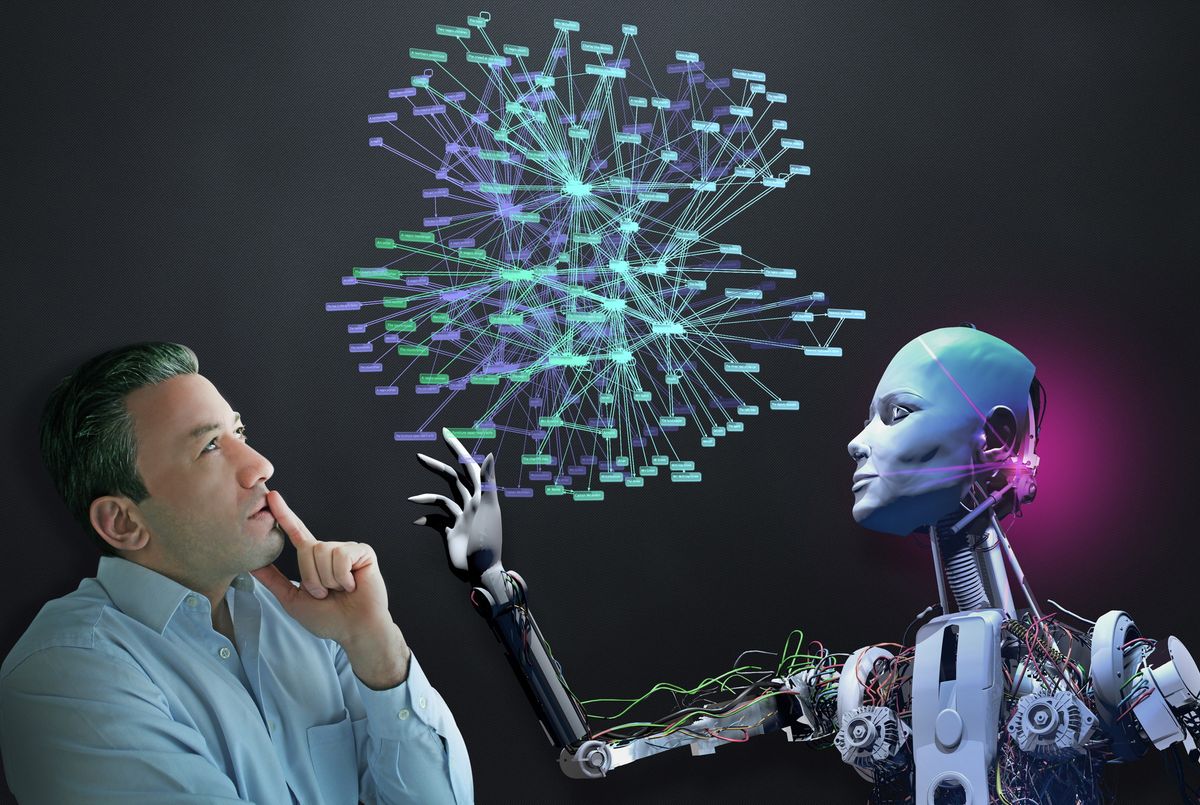
In the realm of healthcare, the seamless exchange of data is not just a convenience—it's a lifeline. AI Healthcare Data Analysis is at the forefront of this transformation, ensuring that critical health information is shared swiftly and securely across various management systems. AI in Healthcare Management Systems is not merely a technological upgrade; it is a paradigm shift that empowers healthcare professionals with real-time data, fostering informed decision-making and ultimately enhancing patient care.
The integration of AI-driven solutions into healthcare data systems is pivotal for the evolution of patient-centric care. By automating the exchange of information, AI reduces the risk of human error and the time spent on manual data entry. This efficiency is not just about speed; it's about the accuracy and reliability of data that healthcare providers depend on. Consider the following benefits:
- Streamlined data transfer processes
- Enhanced data integrity and security
- Real-time access to patient information
- Improved collaboration among healthcare professionals
The synergy between AI and healthcare data systems is reshaping the landscape of patient care, making it more connected, efficient, and reliable.
As we witness the AI revolution in healthcare, it's clear that the strategic decision-making and business intelligence enhancements brought about by AI are invaluable. The success stories from various sectors, including healthcare, highlight the transformative impact of AI on communication, project management, and logistics, ultimately leading to a better patient experience. Embrace the change, and be part of the revolution that is setting new standards in healthcare efficiency and patient satisfaction.
Standardizing Healthcare Information
In the realm of healthcare, the standardization of information is a cornerstone for achieving interoperability and ensuring that patient data is accessible, accurate, and secure across various systems. The harmonization of healthcare data formats and terminologies is pivotal to the seamless exchange of information, which in turn, enhances patient care and supports clinical decision-making.
To illustrate the importance of standardization, consider the following benefits:
- Consistent patient records across different healthcare providers
- Easier data analysis and research
- Improved health outcomes through better care coordination
- Enhanced patient safety by reducing errors
By adopting standardized data formats, healthcare organizations can leverage AI tools more effectively. AI algorithms require large datasets with uniform structure to learn and make accurate predictions. Without standardization, the potential of AI is significantly limited. Cognizant's TriZetto software platform, for example, harnesses the power of Microsoft Azure to provide process automation and improved regulatory compliance, which are only possible with standardized data.
Embracing standardization is not just about technology; it's about creating a healthcare ecosystem that is more connected, efficient, and patient-focused.
As we continue to witness the evolution of healthcare through AI, it is imperative that we support and advocate for initiatives that promote standardization. This is not just a technical necessity but a commitment to patient-centric care. Let's join forces to build a future where healthcare information is a tool for empowerment, not a barrier to care.
The Impact on Patient-Centric Care
The advent of AI in Healthcare Innovation has ushered in a new era where the focus is squarely on the patient. AI in Patient Care Technology is not just a buzzword; it's a transformative force that tailors healthcare to individual needs. AI Healthcare Solutions Providers are at the forefront of this change, ensuring that every patient receives care that is as unique as their own genetic blueprint.
- AI-Enabled Healthcare Devices are revolutionizing the way we monitor health, offering real-time insights and proactive interventions.
- AI for Healthcare Efficiency is streamlining processes, from appointment scheduling to medication management, making healthcare more accessible and less burdensome.
The synergy between AI and patient-centric care is creating a healthcare environment that is not only more efficient but also more empathetic and responsive to the needs of each individual.
As we embrace these innovations, it is crucial to recognize the value they bring to both patients and healthcare providers. The integration of AI into healthcare is not just about technology; it's about crafting a system that prioritizes the well-being and dignity of every person it serves. Let us continue to support and advocate for AI-driven solutions that enhance the human aspect of healthcare. For those interested in exploring the potential of AI in their healthcare practice, we encourage you to reach out to leading AI Healthcare Solutions Providers to learn more about the possibilities.
Securing Patient Data and Ensuring Compliance with AI
AI in Cybersecurity and Data Protection
In the digital age, where data breaches are not just a threat but a common occurrence, the role of AI in cybersecurity and data protection becomes paramount. AI-driven security systems are revolutionizing the way healthcare institutions safeguard sensitive patient information. By leveraging machine learning algorithms, these systems can detect and respond to threats in real time, ensuring that patient data remains secure and private.
- Proactive Threat Detection: AI systems can monitor networks for unusual activity, predicting and preventing breaches before they occur.
- Automated Incident Response: In the event of a security incident, AI can quickly contain the breach and mitigate damage.
- Enhanced Data Privacy: Through encryption and access controls, AI ensures that patient data is accessible only to authorized personnel.
The integration of AI into cybersecurity protocols is not just about defense; it's about building a resilient infrastructure that can adapt to the ever-evolving landscape of cyber threats.
Healthcare providers must remain vigilant and proactive in their approach to data security. With professional API integration services starting at $175, healthcare organizations can ensure that their systems are not only compliant but also at the forefront of cybersecurity innovation. Embrace the AI revolution in healthcare and protect your patients' data with cutting-edge solutions that offer security, scalability, and ongoing support.
Navigating Regulatory Compliance with AI
The integration of AI into healthcare not only promises enhanced patient care but also introduces a complex layer of regulatory compliance. AI systems must adhere to stringent healthcare regulations, ensuring patient safety and data protection. This adherence is not a one-time event but a continuous journey of compliance, as AI algorithms evolve and regulations change.
To navigate this landscape, healthcare organizations must establish clear objectives for AI integration, foster collaboration among stakeholders, and engage in continuous monitoring. Ethical considerations are paramount, including data privacy, unbiased analytics, and the mitigation of bias. These efforts contribute to sustainable growth and responsible AI use in healthcare.
- Establish clear compliance objectives
- Foster multi-disciplinary collaboration
- Engage in continuous AI system monitoring
- Prioritize ethical considerations
The goal is to seamlessly integrate AI into healthcare workflows while maintaining the highest standards of regulatory compliance and ethical practice.
As AI continues to reshape healthcare, staying ahead of the regulatory curve is not just a legal necessity but a competitive advantage. Embrace the change, and let AI be your ally in delivering exceptional patient care within the bounds of regulatory frameworks.
Building Trust in AI Healthcare Solutions
In the realm of healthcare, where the stakes are profoundly high, building trust in AI solutions is paramount. Trust is the cornerstone of patient-provider relationships and extends to the technology that supports care delivery. To foster this trust, transparency in AI processes and outcomes is essential. Healthcare organizations must ensure that AI systems are reliable, secure, and uphold the highest ethical standards.
The collaboration between industry giants like Cognizant and Microsoft exemplifies the commitment to developing AI that is not only advanced but also trustworthy. By integrating generative AI into healthcare administration, these partnerships aim to enhance productivity and patient care while maintaining a steadfast focus on security and compliance.
The integration of AI into healthcare is a journey of continuous improvement and adaptation. It requires a collaborative effort to not only implement cutting-edge technology but also to cultivate an environment of trust and reliability.
To truly revolutionize healthcare, AI must be embraced not as a mere tool but as a partner in care. This means involving patients and healthcare professionals in the development and deployment of AI solutions, ensuring that their needs and concerns are addressed. As AI-driven analytics enhance customer engagement and brand loyalty, healthcare organizations that adopt these technologies can expect not only improved patient outcomes but also a competitive edge in the ever-evolving healthcare landscape.
Join us in exploring the transformative power of AI in healthcare. Engage with the technology that is reshaping patient care and workflow efficiency. Be part of the revolution that is setting new standards in healthcare excellence.
Conclusion
The integration of AI into healthcare through custom solutions is not just a futuristic concept but a present reality with tangible benefits. As evidenced by the collaborative efforts of industry leaders like Cognizant and Microsoft, AI is poised to revolutionize patient care by enhancing diagnostic accuracy, streamlining telemedicine, and optimizing patient management. The development of platforms such as TriZetto, infused with generative AI, exemplifies the strides being made towards operational efficiency and improved patient outcomes. These advancements underscore the potential of AI to address the acute challenges faced by healthcare providers and insurance companies, offering a glimpse into a future where healthcare is more accessible, efficient, and patient-centric. The ongoing innovations and applications of AI in healthcare administration are a testament to the industry's commitment to leveraging cutting-edge technology to foster better health ecosystems and ultimately, elevate the standard of care for patients worldwide.
Frequently Asked Questions
How is AI enhancing diagnostic precision in healthcare?
AI is revolutionizing healthcare diagnostics through advanced imaging analysis, pathology, and predictive analytics, enabling earlier and more accurate detection of diseases, which can lead to better patient outcomes.
What impact does AI have on patient management?
AI integration in patient management allows for personalized treatment plans, improved telemedicine services, and enhanced patient engagement and monitoring, leading to more efficient and effective care.
In what ways does AI-driven automation optimize healthcare workflows?
AI-driven automation streamlines administrative tasks, enhances operational efficiency, and reduces costs and errors, thereby freeing up healthcare professionals to focus on patient care.
How does AI contribute to healthcare interoperability?
AI plays a crucial role in advancing healthcare interoperability by facilitating data exchange across systems, standardizing healthcare information, and improving patient-centric care.
What measures are being taken to secure patient data with the use of AI?
AI is employed in cybersecurity and data protection to secure patient data, navigate regulatory compliance, and build trust in AI healthcare solutions, ensuring privacy and adherence to legal standards.
Can you provide an example of a collaboration that is infusing AI into healthcare solutions?
Cognizant and Microsoft are collaborating to integrate generative AI into the TriZetto software platform, leveraging Microsoft Azure to enhance healthcare administration, improve efficiency, and ensure better patient outcomes.
Comments
Post a Comment