Revolutionizing Healthcare: The Impact of AI in Enhancing Diagnostics and Patient Care
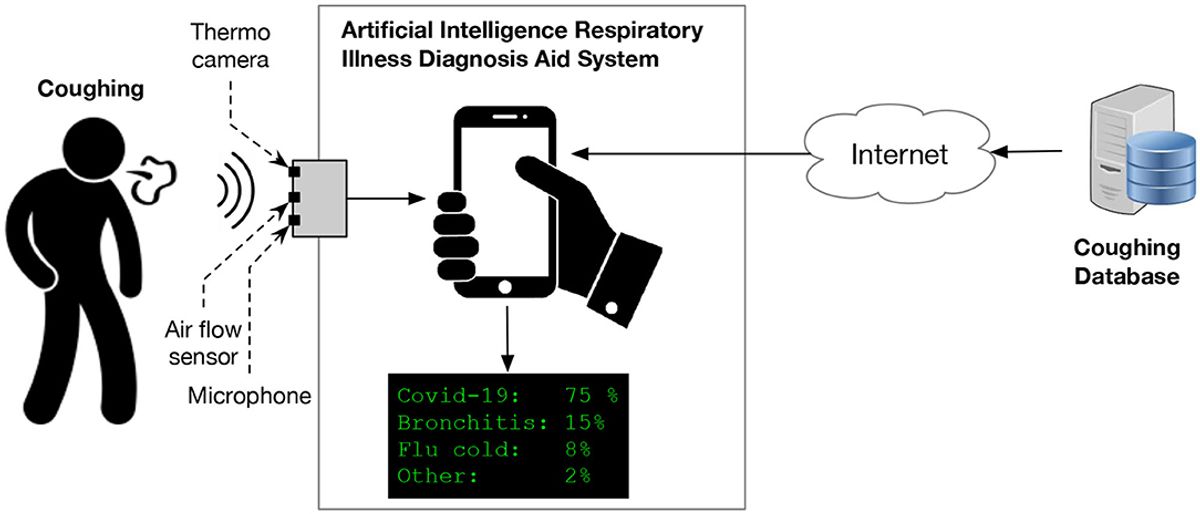
The integration of Artificial Intelligence (AI) in healthcare is revolutionizing the way we approach diagnostics and patient care. This article explores the transformative applications of AI in enhancing medical imaging, laboratory tests, and genomics, as well as its role in patient care management, including personalized treatment plans and remote monitoring. We also examine the ethical considerations surrounding data privacy and AI bias, the future of predictive analytics in medicine, and the challenges faced when integrating AI into healthcare systems.
Key Takeaways
- AI is significantly improving medical diagnostics through advancements in imaging, laboratory tests, and genomics, leading to earlier and more accurate disease detection.
- AI-driven patient care is becoming more personalized and efficient, with technology enabling customized treatment plans and enhanced remote patient monitoring.
- Ethical challenges such as data privacy, algorithmic bias, and regulatory compliance are critical considerations in the deployment of AI in healthcare.
- Predictive analytics and personalized medicine are at the forefront of AI's future in healthcare, promising to revolutionize disease prevention and drug development.
- Integrating AI into healthcare systems presents challenges that require improved data quality, clinical environment adaptation, and collaboration between AI developers and healthcare professionals.
Transformative Applications of AI in Healthcare Diagnostics
Advancements in Medical Imaging
The integration of AI for Medical Imaging has marked a new era in healthcare diagnostics. Radiologists now harness the power of AI to interpret complex medical images with unprecedented precision, leading to enhanced diagnostics and early disease detection. This technological leap is not just about efficiency; it's about saving lives through quicker interventions and better patient outcomes.
The synergy between AI and medical imaging is a testament to how technology can elevate patient care to new heights.
The table below illustrates the transformative impact of AI on medical imaging:
| Aspect | Traditional Imaging | AI-Enhanced Imaging |
|---|---|---|
| Diagnostic Accuracy | High | Very High |
| Speed of Diagnosis | Moderate | Fast |
| Early Detection | Good | Excellent |
| Radiologist's Workload | Significant | Reduced |
AI's role in medical imaging extends beyond diagnostics. It is a beacon of hope for personalized treatment plans, where each patient's journey is tailored to their unique medical history. As we continue to explore the vast potential of AI in healthcare, we invite you to stay informed and engaged. Visit the [Bles Software website](#) for more insights on leveraging AI for scalable growth and innovation in healthcare.
AI-Enhanced Laboratory Tests
The advent of AI-Powered Medical Diagnostics is a game-changer in the realm of laboratory tests. AI's ability to sift through vast datasets not only expedites the diagnostic process but also enhances its reliability. This leap forward is particularly evident in areas where early detection is crucial for successful treatment outcomes.
- AI algorithms excel in pattern recognition, identifying anomalies with a precision that often surpasses human expertise.
- The integration of AI into laboratory workflows has streamlined operations, reducing the time from testing to diagnosis.
- AI's predictive analytics can anticipate disease progression, informing more effective treatment strategies.
The precision and efficiency brought by AI to laboratory diagnostics are transforming patient care, leading to earlier interventions and better health outcomes.
The implications for patient care are profound. As we continue to harness the power of AI in laboratory diagnostics, we are not just revolutionizing healthcare; we are personalizing it, tailoring interventions to the unique genetic and molecular makeup of each individual. Embrace the future of healthcare diagnostics by staying informed and engaged with the latest AI advancements. Your health may one day depend on it.
Impact on Pathology and Genomics
The impact of AI on pathology and genomics is nothing short of revolutionary, marking a new era in precision medicine. AI-driven tools are now indispensable in analyzing complex genetic data, leading to more accurate diagnoses and tailored treatment strategies. For instance, AI algorithms can sift through vast genomic datasets to identify mutations associated with specific diseases, enabling earlier interventions and better patient outcomes.
The integration of AI in genomics has not only accelerated the pace of discovery but also democratized access to personalized medicine. Patients from diverse backgrounds are now beneficiaries of treatments that are specifically designed for their genetic makeup, thanks to AI's ability to handle and interpret large-scale genomic data.
The transformative power of AI is evident in its ability to enhance both the speed and accuracy of genetic analysis. This is crucial in the fight against rare diseases, where every second counts and personalized treatment is the key to success. AI-driven success stories in healthcare mirror those in business, where strategic planning and data-driven decisions lead to significant growth and optimization.
Here's a glimpse of how AI is reshaping the landscape:
- Early Detection: AI algorithms detect genetic predispositions to diseases before they manifest.
- Targeted Therapies: Precision medicine is fine-tuned to the individual's genetic profile.
- Research Acceleration: AI speeds up the research process, from hypothesis to clinical trials.
- Cost Reduction: By streamlining diagnostics and treatment, AI is poised to reduce healthcare costs.
As we continue to witness the integration of AI into healthcare, it's imperative to stay informed and engaged. The potential for AI to transform patient care is immense, and staying at the forefront of this change is crucial for all stakeholders. Let's embrace the AI revolution in healthcare and witness the unfolding of a new chapter in human well-being.
AI-Driven Patient Care and Management

Personalized Treatment Plans
In the realm of healthcare, AI-driven analytics are not just a technological advancement; they are a beacon of hope for patients seeking tailored care. By meticulously analyzing vast arrays of patient data, AI systems can craft treatment plans that are as unique as the individuals they serve. This approach not only enhances the efficacy of treatments but also minimizes the risk of adverse side effects, ensuring a smoother journey to recovery.
The integration of AI into treatment planning marks a significant leap towards precision medicine, where every therapeutic decision is informed by a deep understanding of the patient's genetic makeup, lifestyle, and medical history.
Consider the following benefits of AI-powered personalized treatment plans:
- Customized care: Each patient receives a treatment strategy designed to meet their specific needs.
- Dynamic adaptation: Treatment plans can evolve in real-time as new data becomes available.
- Enhanced patient engagement: Patients are more likely to adhere to a plan that is clearly aligned with their personal health goals.
The promise of AI in healthcare is not just in the sophistication of its algorithms, but in its potential to revolutionize patient engagement and operational efficiency. By delivering personalized experiences, AI fosters a new era of patient-centric care, enhancing both revenue for healthcare providers and loyalty from patients. As we continue to navigate the complexities of healthcare, let us embrace the transformative power of AI to create treatment plans that are not only effective but also deeply respectful of the individual's journey.
Remote Patient Monitoring
The advent of Remote Patient Monitoring (RPM) has ushered in a new era of healthcare, where continuous, real-time health data is no longer confined to hospital walls. RPM, empowered by the Internet of Things (IoT), allows healthcare providers to keep a vigilant eye on patients' vital signs, such as blood pressure, glucose levels, and heart rate, from afar. This innovation not only enhances patient outcomes but also significantly reduces healthcare costs.
The integration of AI into RPM systems has been transformative, enabling a level of predictive maintenance that was previously unattainable. With AI-driven automation, healthcare providers can anticipate and address potential health issues before they escalate, ensuring that patients receive timely and effective care.
- Benefits of AI in RPM:
- Continuous health data monitoring
- Early detection and preventive care
- Reduced hospital readmissions
- Enhanced patient safety
The challenges of implementing AI in healthcare, such as ensuring data privacy and overcoming technical barriers, must be addressed to fully realize the potential of RPM. As we navigate these challenges, the goal remains clear: to provide a seamless and proactive healthcare experience that prioritizes the well-being of patients.
Embracing RPM with AI at its core is not just about technology; it's about redefining patient care to be more proactive, personalized, and efficient.
As we continue to witness the remarkable impact of AI on RPM, it is crucial for healthcare systems to adapt and integrate these technologies. The promise of a more connected and responsive healthcare system is within our grasp, and it is incumbent upon us to seize this opportunity to revolutionize patient care. Let us commit to this journey together, for the betterment of patient health and the future of healthcare.
AI in Telemedicine
The advent of AI Telemedicine Advancements has been a game-changer in the realm of AI in Healthcare Innovation. AI in Patient Care Technology is not just a buzzword but a tangible reality that is reshaping the way we approach healthcare delivery. AI Healthcare Solutions Providers are at the forefront of this transformation, offering tools that enhance AI Medical Records Management and facilitate AI-Enabled Healthcare Devices.
AI for Healthcare Efficiency is not a distant dream but a present-day reality. AI in Clinical Decision Support systems is revolutionizing the way healthcare professionals make decisions, offering insights that were previously unattainable.
AI in Healthcare Management Systems has streamlined operations, making healthcare more accessible and efficient. The integration of AI has led to significant improvements in patient care, as outlined below:
- Personalized patient engagement through AI-driven platforms
- Enhanced diagnostic accuracy with AI algorithms
- Real-time health monitoring and alerts
- Improved patient data management and analysis
The potential of AI to revolutionize telemedicine is immense, and as we continue to navigate the complexities of healthcare, the role of AI will only become more integral. It is imperative for us to embrace these technologies to ensure a more efficient, accurate, and personalized healthcare system. As we look to the future, the collaboration between AI developers and healthcare professionals will be key to unlocking the full potential of AI in telemedicine. Let us join hands in this journey towards a smarter, more connected healthcare ecosystem.
The Ethical Landscape of AI in Healthcare
Data Privacy and Security
In the era of digital health transformation, data privacy and security stand as the cornerstone of trust between patients and healthcare providers. The integration of AI into healthcare systems necessitates stringent measures to protect sensitive patient information. Strong encryption strategies, secure storage solutions, and robust anonymization techniques are essential to safeguard identities and maintain confidentiality.
- Encryption: Ensuring that all data is encrypted both at rest and in transit.
- Secure Storage: Implementing secure databases and storage solutions that are resistant to breaches.
- Anonymization: Applying techniques to remove personally identifiable information from datasets.
The responsibility of maintaining data integrity extends beyond the technology itself. It involves a collaborative effort where healthcare providers, developers, and patients are all aware of how data is utilized. Transparency in data usage and clear consent mechanisms are critical to fostering an environment of trust. Healthcare applications must not only be secure but also perceived as secure by all stakeholders.
The safeguarding of patient data is not just a technical challenge but a fundamental aspect of patient care.
As we continue to navigate the complex landscape of AI in healthcare, it is imperative that we prioritize the privacy and security of patient data. This is not just a regulatory requirement but a moral obligation to the individuals who entrust us with their most personal information. Let us commit to upholding these standards to ensure the continued success and acceptance of AI in enhancing patient care.
Bias and Fairness in AI Algorithms
The integration of AI in healthcare has been a beacon of hope for improved diagnostics and patient care. However, the shadow of bias in AI algorithms looms large, threatening to undermine the very ethos of healthcare: equal treatment for all. Bias can manifest in various forms, from the data used to train algorithms to the developers' own unconscious prejudices. It's crucial to recognize that AI-driven analytics revolutionizes businesses, but in healthcare, it must do so without compromising fairness.
- Algorithmic bias
- Human-induced bias
- Data-induced bias
To combat these issues, a multi-pronged approach is essential. Healthcare workers must be vigilant and trained to identify and react to biased AI decisions. Regular audits and evaluations of AI systems are not just recommended; they are imperative to ensure ethical application. Moreover, transparency in data usage and consent mechanisms is paramount for establishing trust among all stakeholders involved in AI healthcare solutions.
The risk of bias in AI algorithms is not just a technical challenge; it is a moral imperative to address. Ensuring fairness in AI is about safeguarding the dignity and rights of every patient who places their trust in the healthcare system.
As we navigate the complex ethical landscape of AI in healthcare, let us not forget the human element at the core of it all. Your voice matters in this conversation. Engage with us, share your thoughts, and be a part of shaping a fair and equitable AI-powered future in healthcare.
Regulatory and Compliance Challenges
Navigating the complex landscape of regulatory and compliance challenges in the integration of AI into healthcare systems is a task that requires meticulous attention to detail and a deep understanding of both technological and legal frameworks. The harmonization of AI applications with existing healthcare regulations is critical to ensure that these innovative tools can be safely and effectively incorporated into patient care.
- Establishing clear guidelines for AI in healthcare
- Ensuring compliance with HIPAA and other privacy laws
- Addressing the variability in international regulatory environments
To overcome these obstacles, efforts must be made to build interoperability frameworks and standards as part of a data strategy.
The journey towards regulatory compliance is not just about adhering to rules; it's about fostering trust between patients, providers, and technology developers. Stas Sorokin, an expert in AI and software development, emphasizes the importance of clear explanations and quality communication in delivering exceptional projects that meet these challenges head-on. As we move forward, it is imperative that we continue to engage in dialogue and collaboration to navigate this evolving terrain. Your voice and your experience are crucial in shaping the future of healthcare—join the conversation and help us drive the change.
The Future of Healthcare: Predictive Analytics and Personalized Medicine

Predictive Analysis in Disease Prevention
The advent of Predictive Analytics in Healthcare AI has ushered in a new era of proactive health management. By harnessing the power of predictive analytics, healthcare providers can now anticipate and mitigate potential health issues before they escalate into more serious conditions. This not only improves patient outcomes but also reduces the burden on healthcare systems.
The ability to forecast health risks and intervene early is transforming the landscape of disease prevention. Predictive models, powered by AI, analyze vast datasets to identify patterns that signify potential health threats. This proactive approach is pivotal in managing chronic diseases, where early intervention can significantly alter the course of the illness.
Here's how Predictive Analytics in Healthcare AI is making a difference:
- Identifying at-risk individuals through data patterns
- Optimizing resource allocation to areas of greatest need
- Enhancing patient engagement with personalized health insights
- Reducing healthcare costs by preventing disease progression
The story of Blue Dot's AI predicting the onset of COVID-19 exemplifies the potential of predictive analytics in preempting global health crises. As we continue to refine these AI systems, the promise of a healthier future becomes increasingly tangible. Embrace the change and be part of the revolution that Predictive Analytics in Healthcare AI is bringing to disease prevention.
Customized Drug Development
The advent of Personalized Medicine AI Technology is a game-changer in the realm of drug development. By harnessing AI-driven analytics, the process of creating medications tailored to individual genetic profiles is not only becoming more precise but also significantly faster. This acceleration is evident in the prediction that AI could yield 50 new therapies within a decade, potentially saving billions in research costs. The groundbreaking milestone of the first AI-developed medication entering clinical trials in China underscores the transformative power of this technology.
The role of regulatory bodies like the FDA is evolving to keep pace with these advancements. Their adaptability in the face of such innovation is commendable, ensuring that the integration of AI in drug development continues to adhere to the highest safety and efficacy standards.
In the pharmaceutical pipeline, AI expedites the journey from drug discovery to patient delivery. The traditional path, often costing upwards of $359 million and spanning 12 years, is being redefined by AI's ability to analyze biological data and intelligently design drug molecules with specific therapeutic properties. Companies like Insilico Medicine are at the forefront, showcasing how AI can revolutionize the pharmaceutical development process.
The promise of AI in healthcare extends beyond diagnostics and patient care; it is reshaping the very foundations of how we develop treatments. By personalizing medicine at the molecular level, AI is setting the stage for a future where treatments are not just effective, but also uniquely suited to each patient's needs.
As we witness the integration of AI into healthcare, it is imperative to consider the ethical implications. The AI-driven analytics revolutionize decision-making across industries, and healthcare is no exception. Ensuring the responsible use of AI and addressing ethical challenges is as crucial as the technology itself. Join us in exploring the depths of AI's potential in healthcare and be part of the conversation that shapes a more personalized, efficient, and ethical future in medicine.
The Role of AI in Surgical Procedures
The integration of Artificial Intelligence (AI) into surgical procedures is not just a futuristic concept; it is a present reality transforming the operating room. Robotic surgery, enhanced by AI, is improving the precision and effectiveness of surgical interventions. Surgeons are now equipped with tools like the da Vinci Surgical System, which offers unparalleled dexterity and accuracy, leading to less invasive procedures and quicker patient recovery times.
High-accuracy surgical robots, powered by AI, are already enhancing the capabilities of medical professionals. These robots, with their programmable and controllable movements, exhibit no fatigue and maintain consistent performance throughout long procedures.
The benefits of AI in surgery extend beyond the operating table. Here's a glimpse into the impact:
- Reduced patient recovery time: Quicker healing due to less invasive techniques.
- Lower risk of complications: Enhanced precision minimizes surgical errors.
- Consistent surgical outcomes: AI's reliability ensures uniformity in procedures.
Embracing AI in surgical practices not only elevates patient care but also empowers healthcare professionals to achieve new levels of operational efficiency. As we look to the future, the role of AI in healthcare is poised to expand, with predictive analytics and machine learning driving informed decision-making and shaping proactive strategies. To stay ahead, it is crucial for healthcare systems to integrate these technologies and harness their full potential.
Overcoming Challenges in Integrating AI into Healthcare Systems
Addressing Data Quality and Interoperability
In the realm of AI Healthcare Data Analysis, the integration of disparate data sources stands as a formidable challenge. The lack of standardization and shared protocols across healthcare systems exacerbates the issue, leading to a maze of incompatible data formats and communication barriers. To navigate this complexity, a concerted effort towards building interoperability frameworks and standards is essential.
The cornerstone of effective AI in healthcare is the seamless integration and analysis of data from myriad sources. Without this, the full potential of AI to revolutionize patient care remains untapped.
Optimization for AI applications begins with data normalization, a prerequisite for consistent and trustworthy data collection. This process can be extensive, involving a range of different systems, each with its own set of standards. The absence of APIs and data export methods in legacy systems further complicates the landscape, making data extraction and integration a herculean task.
To truly revolutionize healthcare, we must not only address these technical challenges but also ensure that the solutions we develop are accessible and beneficial to all. As AI developer Stas Sorokin demonstrates with his dedication to creating AI-powered web applications, the commitment to quality and innovation can lead to transformative outcomes. Let us take inspiration from such dedication to overcome the barriers of data quality and interoperability in healthcare.
Navigating the Complexity of Clinical Environments
The integration of AI into healthcare systems is akin to navigating a labyrinth of technological and procedural intricacies. AI-driven analytics revolutionize decision-making, empowering healthcare leaders to make informed choices with precision and efficiency. However, the path is fraught with obstacles, such as the lack of infrastructure standardization, which stands as a formidable barrier to seamless AI adoption.
Solutions for the infrastructure must be agile and adaptive. The complexity is exacerbated by exclusive vendor solutions that often fail to communicate with other systems, leading to underutilized machinery and asset sprawl.
To overcome these hurdles, healthcare organizations must engage in strategic planning and invest in scalable and robust infrastructure solutions. These investments are essential to meet the ever-evolving demands of AI in healthcare and ensure that the full potential of AI-driven care is realized.
- Strategic Planning: Establishing clear goals and roadmaps for AI integration.
- Standardized Procedures: Developing common protocols to facilitate interoperability.
- Financial Investment: Allocating resources to future-proof technologies.
Embrace data-driven leadership for strategic advantage in the evolving market landscape. The journey may be complex, but the destination—a transformed healthcare system where AI enhances every aspect of patient care—is well worth the effort.
Fostering Collaboration Between AI Developers and Healthcare Professionals
The integration of Healthcare AI Development into clinical settings hinges on the symbiotic relationship between AI developers and healthcare professionals. Building trust through transparency is paramount in this partnership. It is essential that healthcare professionals become intelligent users of AI systems, understanding their capabilities and limitations to effectively harness their recommendations. Conversely, AI developers must design systems that are transparent and provide clear communication channels to facilitate the exchange of critical information.
- Healthcare professionals must be educated on the ethical use of AI.
- AI developers should aim for transparency in their designs.
- Open communication channels are crucial for addressing inevitable challenges.
The consequences resulting from AI implementation in healthcare is a shared responsibility. Both parties must engage in continuous education and dialogue to ensure AI tools are accessible, effective, and relevant.
The collaboration between these two groups is not just about technology; it's about creating a healthcare system that is equitable and respects patient rights. As we move forward, let us strive for a harmony between technological advancement and human values, fostering an environment where patient health benefits are paramount.
Conclusion
The integration of Artificial Intelligence (AI) into healthcare is a paradigm shift that promises to redefine patient care and operational workflows. This article has explored the multifaceted impact of AI on diagnostics, telemedicine, patient management, and beyond, illustrating its potential to transform the healthcare landscape. AI's ability to process complex data in real-time, enhance diagnostic accuracy, and facilitate personalized treatment plans has set the stage for a new era of medical excellence. Despite the challenges and ethical considerations that accompany its implementation, the benefits—ranging from cost savings to improved patient outcomes—underscore the transformative power of AI. As we look to the future, it is clear that AI will continue to play a crucial role in advancing healthcare, driving innovation, and fostering a safer, more efficient, and patient-centric healthcare system.
Frequently Asked Questions
How is AI transforming healthcare diagnostics?
AI is revolutionizing healthcare diagnostics through enhanced medical imaging, faster and more accurate laboratory tests, and improvements in pathology and genomics. It enables healthcare providers to detect diseases early and with greater precision, leading to better patient outcomes.
What are the benefits of AI-driven patient care?
AI-driven patient care includes personalized treatment plans, remote patient monitoring, and the integration of AI in telemedicine. These advancements lead to more tailored healthcare, continuous care delivery, and increased accessibility for patients, especially in remote or underserved areas.
What ethical considerations arise with the use of AI in healthcare?
The ethical landscape of AI in healthcare encompasses data privacy and security, ensuring fairness and reducing bias in AI algorithms, and navigating the regulatory and compliance challenges posed by these emerging technologies.
How will AI shape the future of predictive analytics in medicine?
AI is set to enhance predictive analytics in medicine by enabling early disease detection, supporting customized drug development, and improving the precision of surgical procedures. This will lead to preventative healthcare models and more personalized treatment options.
What are the challenges of integrating AI into healthcare systems?
Integrating AI into healthcare systems faces challenges such as ensuring data quality and interoperability, dealing with the complexity of clinical environments, and fostering effective collaboration between AI developers and healthcare professionals.
Can AI improve the efficiency of healthcare diagnoses and what are the potential cost savings?
Yes, AI can significantly improve the efficiency of healthcare diagnoses by processing large datasets quickly and accurately, leading to early disease detection and potentially reducing healthcare costs by decreasing the need for redundant tests and procedures.
Comments
Post a Comment