Revolutionizing Healthcare: The Impact of AI-Infused Custom Solutions on Patient Care and Workflow Efficiency

Delve into the transformative power of AI-infused custom solutions in the healthcare industry. This article explores how artificial intelligence is revolutionizing patient care, enhancing diagnostic precision, redefining telemedicine, streamlining operational workflows, and creating immersive educational experiences. We will uncover the myriad ways in which AI is not just a tool of convenience but a pivotal force in reshaping healthcare for the better.
Key Takeaways
- AI is significantly improving the accuracy of early disease detection and diagnostics, surpassing traditional methods in radiology and personalized medicine.
- Telemedicine is experiencing a renaissance with AI, enabling remote diagnostics, patient engagement through AI chatbots, and continuous AI-powered patient monitoring.
- AI-driven solutions are optimizing healthcare operations by automating administrative tasks, predicting resource needs, and fostering collaboration among medical professionals.
- The synergistic combination of AI and AR is pioneering immersive healthcare experiences, notably in surgical training, child abuse assessments, and medical education.
- Successfully integrating AI into legacy healthcare systems poses challenges but offers substantial rewards in patient care, with a focus on ethical and secure implementation.
Enhancing Diagnostic Precision with AI
Leveraging Machine Learning for Early Detection
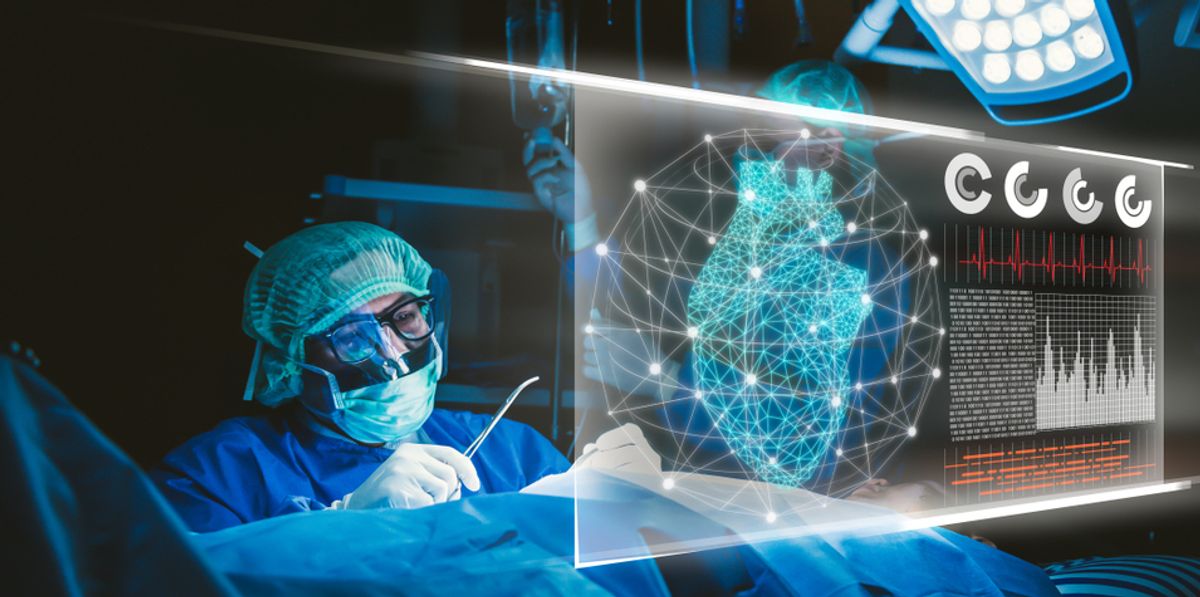
The advent of machine learning (ML) in healthcare is a beacon of hope for early disease detection, offering a new level of precision that was once unattainable. By analyzing vast datasets, ML algorithms can identify subtle patterns and anomalies that may indicate the early stages of a condition, long before traditional methods would catch them.
The power of ML lies in its ability to learn from data, adapt, and improve over time, making it an indispensable tool in the fight against illness.
For instance, consider the following applications of ML in early detection:
- Risk assessment models that predict the likelihood of developing a disease based on genetic and lifestyle factors.
- Detection of biomarkers in medical imaging or blood tests that could signify the onset of a disease.
- Anomaly detection in patient records to flag potential health issues for further investigation.
These applications not only enhance the accuracy of diagnoses but also pave the way for personalized treatment plans, tailored to the unique needs of each patient. As we continue to integrate ML into healthcare, we must also ensure that these technologies are accessible and beneficial to all, regardless of socioeconomic status. The promise of ML is not just in its technological prowess, but in its potential to democratize healthcare, making early detection and prevention a reality for the many, not just the few.
If you're looking to harness the transformative power of ML in your healthcare practice, consider our professional API integration services starting at $175. Our expertise in security, scalability, and ongoing support will ensure that your patient care and workflow efficiency are revolutionized.
AI in Radiology: Beyond the Human Eye
The advent of AI for Medical Imaging is a game-changer in the field of radiology, offering unprecedented precision and efficiency. AI algorithms, trained on vast datasets, now assist radiologists in detecting subtle patterns and anomalies that might escape the human eye. This technological leap is not just about augmenting human capabilities; it's about redefining the very nature of diagnostic processes.
- Early Detection: AI excels in identifying early signs of diseases, such as cancer, that may be indiscernible in their nascent stages to even the most experienced radiologists.
- Consistency: Unlike humans, AI systems do not suffer from fatigue, ensuring consistent analysis round-the-clock.
- Speed: AI can process and analyze medical images at a speed no human can match, significantly reducing the time from imaging to diagnosis.
The integration of AI into radiology is transforming patient outcomes, making early and accurate diagnosis more accessible than ever before. It's a testament to how AI-infused custom solutions are revolutionizing healthcare.
As we continue to witness the remarkable impacts of AI in radiology, it's crucial to stay informed and engaged with the latest developments. The Bles Software website discusses AI-driven automation in software development and emerging technologies shaping the industry. By staying abreast of these advancements, healthcare professionals can ensure they are leveraging the full potential of AI to enhance patient care. Let's embrace the future of medical imaging together—explore, learn, and innovate.
Predictive Analytics in Personalized Medicine
The advent of Predictive Analytics in Healthcare AI has marked a new epoch in the domain of personalized medicine. By harnessing vast datasets, AI in Clinical Decision Support systems can now anticipate patient risks and outcomes with unprecedented accuracy. This not only tailors treatment plans to the individual's genetic makeup, lifestyle, and environmental factors but also enhances the overall quality of care.
The integration of Personalized Medicine AI Technology into healthcare regimes is not just an advancement; it's a paradigm shift that redefines the patient-doctor relationship.
Here's how Predictive Analytics is shaping the future of healthcare:
- Early Risk Identification: By analyzing patterns in historical patient data, AI can identify risk factors long before they manifest clinically.
- Treatment Optimization: AI algorithms can suggest the most effective treatment protocols, considering the patient's unique profile.
- Continuous Monitoring: AI systems provide ongoing surveillance of patient health, enabling dynamic adjustments to treatment as needed.
Embrace the transformative power of AI in your healthcare practice. Discover how AI-infused solutions can elevate patient care to new heights. Engage with experts like Stas Sorokin, who offer AI-powered applications tailored to the medical field, and embark on a journey towards operational excellence and enhanced patient outcomes.
Telemedicine Transformed: AI's Role in Remote Care
Virtual Health Assessments and AI Diagnostics
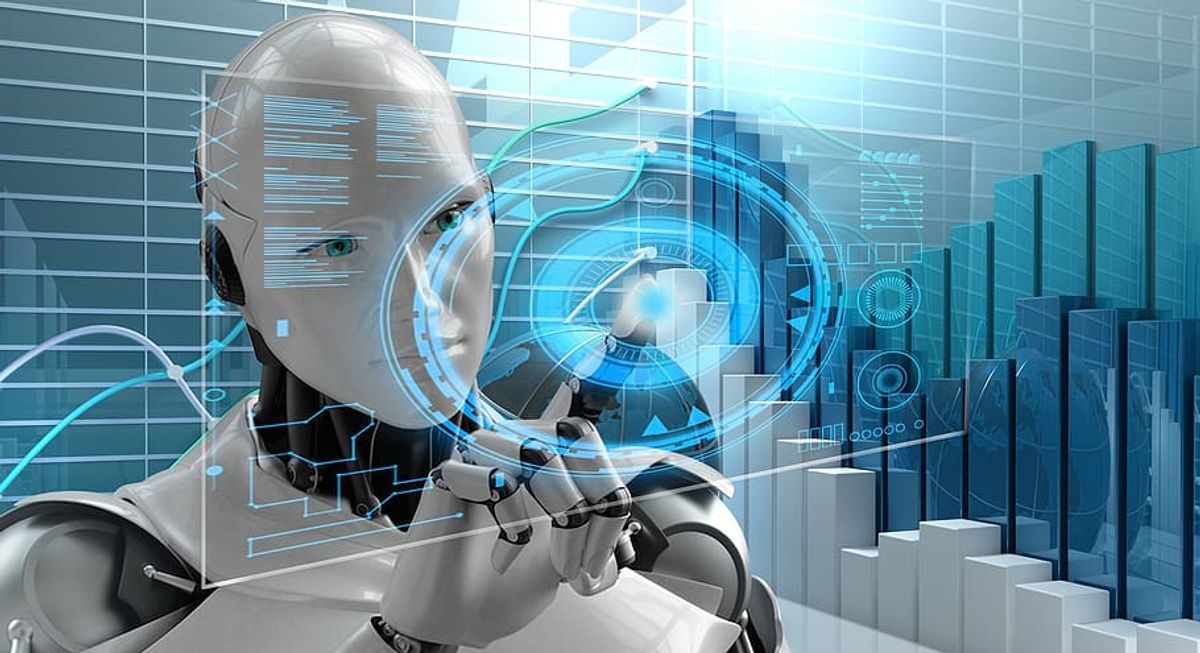
The advent of AI-Powered Medical Diagnostics is a game-changer in the realm of telemedicine. With the integration of sophisticated algorithms, virtual health assessments are not just a convenience; they are becoming a cornerstone of modern healthcare. These AI-driven systems offer a level of precision and speed that was previously unattainable, enabling clinicians to make informed decisions from afar.
The benefits of AI diagnostics in telemedicine are manifold:
- Accuracy: Enhanced diagnostic accuracy through advanced pattern recognition.
- Efficiency: Rapid processing of patient data for quicker diagnosis.
- Accessibility: Broader reach, allowing patients in remote areas to receive expert medical opinions.
The promise of AI in healthcare is not just in the technology itself, but in its capacity to empower patients and physicians alike. It's about augmenting human expertise with digital precision to deliver care that is both compassionate and cutting-edge.
As we continue to witness the transformative impact of AI on healthcare, it's crucial to stay informed and engaged. Embrace the future of patient care by exploring how AI can enhance your practice or personal health management. The journey towards a smarter, more efficient healthcare system is underway, and your participation is key.
Improving Patient Engagement Through AI Chatbots
The integration of AI chatbots in healthcare is revolutionizing patient engagement, offering a level of interactivity and personalization previously unattainable. AI chatbots are not just a technological novelty; they are becoming indispensable tools for enhancing patient experience. By providing immediate responses and support, these intelligent systems are fostering a new era of patient-centered care.
- Streamlining patient interactions
- Delivering personalized health information
- Facilitating appointment scheduling
- Offering round-the-clock support
AI chatbots are empowering patients to take charge of their health, providing a platform for continuous engagement and support.
The transformation is evident in the numbers. For instance, LOOP Insurance witnessed a significant leap in resolution rates after replacing their traditional chatbot with a Generative AI model. This shift towards more sophisticated AI not only improves customer satisfaction but also reduces operational costs. The ease of creating custom AI assistants today means that healthcare providers can now offer tailored experiences without the need for extensive coding knowledge.
As we continue to uncover the untapped potential of Conversational AI, it is clear that the healthcare industry stands on the cusp of a major shift. The question is no longer if AI will be integrated into patient care, but how swiftly and effectively we can make this transition. To stay ahead, healthcare providers must embrace these advancements and consider how AI can be woven into the fabric of patient interaction. Are you ready to be part of this transformative journey?
AI-Powered Monitoring: A New Era of Patient Management
The integration of AI in Patient Care Technology is not just a futuristic concept; it's a transformative reality that's reshaping the landscape of healthcare as we know it. AI Telemedicine Advancements are at the forefront of this revolution, offering unprecedented capabilities in monitoring and managing patient health remotely.
Imagine a system where continuous data streams from wearable devices are analyzed in real-time, providing healthcare professionals with critical insights to preemptively address potential health issues. This proactive approach to patient care is made possible by the sophisticated algorithms that learn and adapt to each patient's unique health profile.
The promise of AI-powered monitoring is not just in its technological sophistication but in its capacity to deliver compassionate care at a distance.
By harnessing the power of AI, telemedicine is evolving into a more dynamic, responsive, and patient-centered service. The benefits are clear: enhanced patient outcomes, reduced hospital readmissions, and a more efficient use of healthcare resources. To truly appreciate the impact of these technologies, consider the following points:
- AI-driven analytics can predict patient deterioration, allowing for timely interventions.
- Remote monitoring reduces the strain on healthcare facilities, freeing up space and resources for critical cases.
- Patients enjoy the comfort and convenience of receiving care in their own homes, leading to improved satisfaction and engagement.
As we continue to witness the growth of AI in healthcare, it is essential to recognize the contributions of individuals like Stas Sorokin, whose expertise in AI and software development is driving these innovations forward. His work exemplifies the dedication and ingenuity required to harness AI's full potential in improving patient care.
In conclusion, the era of AI-powered patient management is here, and it's revolutionizing the way we think about healthcare delivery. To stay informed and engaged with the latest developments in this exciting field, we invite you to join the conversation and explore the possibilities that AI brings to the table.
Operational Excellence in Healthcare through AI
Streamlining Administrative Tasks with Intelligent Automation
In the realm of healthcare, AI Medical Records Management stands as a beacon of transformation, promising to overhaul the cumbersome and error-prone systems of the past. By integrating AI-driven analytics, healthcare institutions can automate data processes, thereby minimizing risks and optimizing opportunities for strategic growth.
The implementation of intelligent automation in administrative tasks is not just about efficiency; it's about redefining the very fabric of patient care and operational excellence.
AI is not merely a tool; it is a partner that works tirelessly to ensure that healthcare professionals can focus on what truly matters—patient care. With AI, the long-winded transactions involving multiple systems and physical steps can evolve into 'self-driving' processes, keeping pace with the demands of hyperautomated businesses.
Here's how AI is making a difference:
- Automating enterprise tasks that require cognitive power, such as claims processing and healthcare revenue operations.
- Learning from agents' actual workflows to create and train models that anticipate and respond to environmental changes.
- Accelerating complex enterprise processes, leading to a new era of customer support and patient engagement.
The call to action is clear: embrace AI to not only enhance the efficiency of administrative tasks but to also forge a path towards a more responsive and patient-centric healthcare system. Join the conversation amongst your peers on leveraging automation to optimize operational efficiency and enhance the consumer journey.
Optimizing Resource Allocation with Predictive AI Models
The integration of predictive AI models into healthcare systems has marked a new epoch in operational efficiency. These intelligent systems are capable of analyzing vast datasets to forecast patient admissions, thereby enabling hospitals to allocate resources more effectively. This foresight not only reduces waste but also ensures that the right personnel and equipment are available when needed most.
- Improved patient outcomes through timely care
- Enhanced staff satisfaction with better workload management
- Decreased operational costs by avoiding over or underutilization of resources
Predictive AI models serve as the linchpin in the quest for operational excellence, transforming reactive healthcare practices into proactive patient-centered care.
The ripple effect of such optimization is profound, touching every aspect of the healthcare experience. From the seamless orchestration of operating rooms to the dynamic scheduling of medical staff, AI's predictive prowess is revolutionizing the way care is delivered. As we continue to embrace these advancements, it is crucial to ensure that the technology is implemented thoughtfully, with a focus on enhancing the human elements of healthcare.
We invite you to join the conversation and explore how predictive AI can be harnessed in your healthcare setting. The journey towards a smarter, more efficient healthcare system is one we must embark on together. Let's revolutionize patient care and workflow efficiency with AI-infused custom solutions.
Enhancing Collaboration Across Medical Teams with AI Tools
In the realm of healthcare, AI for Healthcare Efficiency is not just a buzzword; it's a transformative force reshaping how medical teams collaborate. Customization and AI integration are key for competitive advantage in the SaaS landscape, and nowhere is this more evident than in the coordination of care. Tailored solutions empower businesses to lead the AI revolution and thrive in a dynamic market, ensuring that patient care is both personalized and precise.
The integration of AI tools facilitates a seamless exchange of information, breaking down silos that have historically impeded the flow of critical patient data. Consider the following benefits:
- Real-time updates on patient status
- Automated alerts for critical lab results
- Streamlined communication channels for multidisciplinary teams
By harnessing the power of AI, healthcare providers can ensure that every team member is informed and empowered to make decisions that are in the best interest of the patient.
As we forge ahead, the importance of integrating AI into other technologies for practical use becomes increasingly clear. It's not just about innovation for its own sake but about creating practical solutions that address real needs and challenges. The future of healthcare will be shaped by our ability to integrate AI in meaningful and impactful ways, enhancing the experiences of both patients and providers.
AI and AR: Pioneering Immersive Healthcare Experiences
Augmented Reality in Surgical Training and Procedures
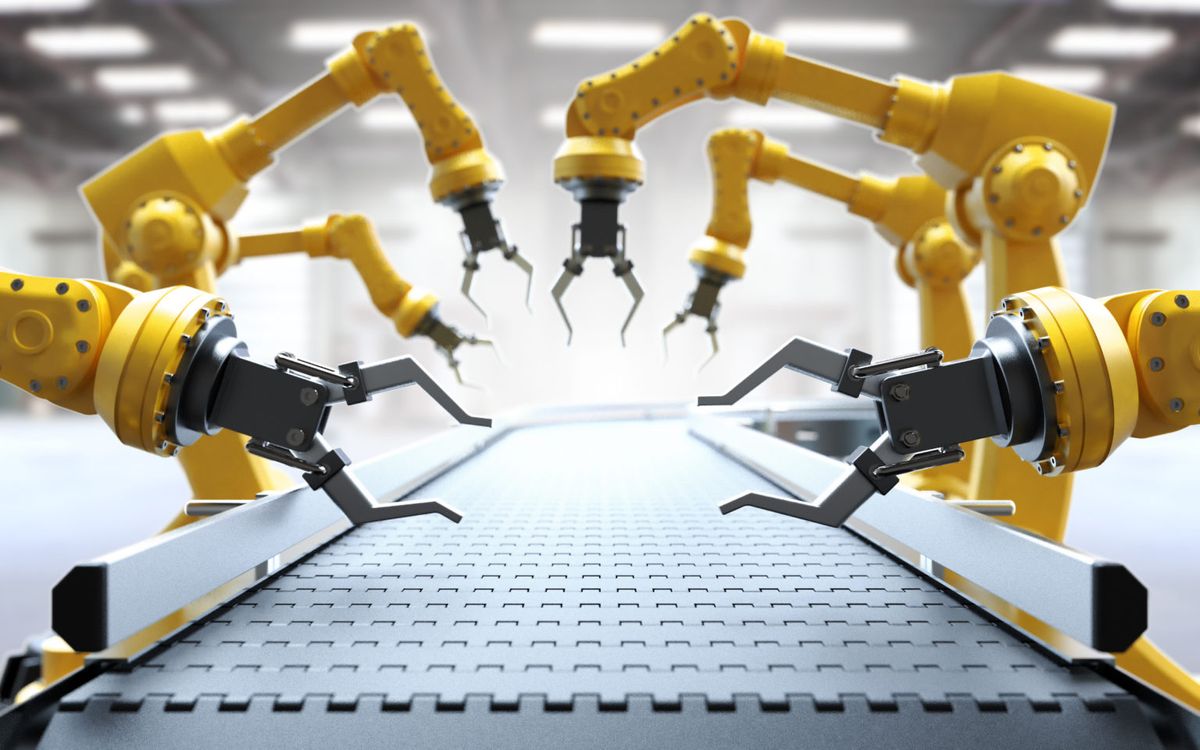
The integration of Augmented Reality (AR) in surgical training and procedures marks a significant leap forward in medical education and patient outcomes. Surgeons equipped with AR can perform complex surgeries with enhanced precision, visualizing layers beneath the skin without making a single incision. This not only reduces the risk of complications but also shortens recovery times, revolutionizing patient care.
- Enhanced Learning: Trainees can visualize procedures in a 3D space, improving their understanding and retention.
- Precision: Overlaying digital information onto the physical body allows for more accurate incisions and placements.
- Safety: AR reduces the need for multiple invasive procedures, minimizing patient risk.
The synergy between AR and AI is crafting a new paradigm in surgical excellence, where every procedure is informed by a wealth of data and every movement is guided by digital precision.
The transformative power of AR in healthcare extends beyond the operating room. It serves as a critical tool in emergency situations, where rapid, accurate interventions are vital. As we continue to explore the vast potential of AR and AI, we invite you to join us in envisioning a future where technology and human expertise converge to deliver unparalleled care. Stay tuned for more insights as we delve deeper into the impact of AI-infused solutions on healthcare.
Combating Societal Challenges: AI and AR in Child Abuse Assessments
The intersection of AI and AR in healthcare is a beacon of hope in the fight against child abuse. The swift and precise assessment capabilities they provide are invaluable in protecting our most vulnerable. By enabling specialists to virtually step into the examination room, these technologies minimize the child's distress and accelerate critical care decisions.
The integration of AI and AR in child abuse assessments is not just a technological advancement; it's a compassionate approach to a harrowing societal issue.
The benefits of AI and AR in this sensitive area are multifaceted:
- They offer a non-intrusive means to evaluate the child's condition.
- Specialists can guide local doctors in real-time, ensuring accurate diagnoses.
- The technology reduces the need for potentially traumatic relocations of the child.
While the promise is great, the path forward is laden with challenges that must be navigated with care. Ethical considerations, privacy protection, and the accuracy of AI algorithms are paramount concerns that require our collective attention and action.
As we continue to explore the profound impact of AI and AR on healthcare, let us not forget the human element at the core of these advancements. We invite you to join the conversation and contribute to the development of solutions that not only innovate but also empathize. Together, we can forge a future where technology serves as a guardian for those who cannot protect themselves.
The Future of Medical Education with AI-Enhanced Immersive Learning
The integration of Artificial Intelligence (AI) with Augmented Reality (AR) is ushering in a new paradigm in medical education. Medical students and professionals are now experiencing an unprecedented level of interactivity and engagement in their learning journeys. This fusion of technologies is not just a futuristic concept; it is a present-day reality that is transforming the landscape of medical training.
- Immersive simulations allow for the practice of complex procedures without risk to real patients.
- Real-time feedback and adaptive learning paths are tailored to individual needs.
- Collaboration in virtual environments breaks down geographical barriers, fostering global knowledge exchange.
The potential of AI and AR to revolutionize medical education lies in their ability to create highly realistic and interactive learning environments. These technologies enable learners to visualize and interact with complex anatomical structures and physiological processes in ways that were previously unimaginable.
The benefits of AI-enhanced immersive learning are not limited to the medical field alone. The AI revolutionizes business operations through applications such as predictive maintenance and real-time data analytics, which are equally transformative. As we continue to explore the capabilities of AI and AR in education, we must also consider the broader implications for professional practices and the promise of elevating our quality of life.
In conclusion, the future of medical education is bright with the advent of AI and AR technologies. As we embrace these advancements, we must ensure that they are implemented ethically and securely, with a focus on enhancing the learner experience and patient care. The call to action for educators, technologists, and healthcare professionals is clear: to collaborate and innovate in harnessing the full potential of AI and AR for the betterment of society.
Integrating AI into Legacy Healthcare Systems

Challenges and Strategies for AI Adoption in Established IT Infrastructures
Integrating AI into legacy healthcare systems is a journey fraught with complexity, yet rich with potential for transformative change. The integration of AI into existing IT frameworks is not just a technical upgrade but a strategic revolution that can redefine patient care. The challenges are multifaceted, involving not only the technical aspects of AI deployment but also the alignment with existing processes and the cultural shift required for adoption.
- Technical Challenges: Ensuring AI algorithms' accuracy and reliability, compatibility with existing systems.
- Cultural Shift: Fostering an environment that embraces change and innovation.
- Ethical Considerations: Addressing privacy concerns and potential misuse.
- Strategic Planning: Aligning AI integration with organizational goals and patient needs.
The path to AI integration is paved with challenges, yet it is a path that leads to a future where healthcare is more personalized, efficient, and accessible.
As we consider the challenges and ethical considerations of AI-driven automation, it's clear that the journey from legacy to innovation requires careful navigation. The promise of AI to enhance efficiency, quality, and productivity across the software development lifecycle is an invitation to a game-changing dialogue. Let's engage in this dialogue and explore the strategies that can help us harness the full potential of AI in healthcare. Remember, the future of patient care is in our hands, and the time to act is now.
Case Studies: Successful AI Integration in Healthcare Settings
The landscape of healthcare is being reshaped by the strategic deployment of AI Healthcare Solutions Providers, who are at the forefront of AI in Healthcare Innovation. These trailblazers are not only revolutionizing diagnostic and treatment modalities but also enhancing the overall healthcare delivery system. For instance, AI-Enabled Healthcare Devices are now integral in monitoring patient vitals, providing clinicians with real-time data that is both accurate and actionable.
The synergy between AI Healthcare Data Analysis and AI in Healthcare Management Systems has led to a paradigm shift in patient care, optimizing outcomes through precision and efficiency.
A closer look at successful case studies reveals a pattern of transformative change. Healthcare AI Development is not a mere buzzword; it's a tangible reality that's improving lives. Consider the following highlights from various healthcare settings:
- AI algorithms have been instrumental in identifying patterns in patient data, leading to early intervention and better management of chronic diseases.
- AI-driven platforms have streamlined administrative workflows, freeing up valuable time for healthcare professionals to focus on patient care.
- Collaboration between medical teams has been enhanced through AI tools, fostering a more cohesive approach to patient treatment plans.
As we delve into the specifics of these case studies, it becomes clear that the integration of AI into legacy systems is not just feasible but highly beneficial. However, the journey doesn't end here. We must continue to support and collaborate with AI Healthcare Solutions Providers to ensure that the potential of AI is fully realized in the realm of patient care. Are you ready to be part of this transformative journey? Engage with us, share your thoughts, and let's collectively push the boundaries of what's possible in healthcare.
Ensuring Ethical and Secure Implementation of AI in Patient Care
The integration of AI into healthcare is not just a technological revolution; it's a new ethical frontier. Ensuring the ethical and secure implementation of AI in patient care is paramount to maintaining trust and delivering quality care. As we navigate this complex landscape, we must consider the delicate balance between innovation and the protection of patient data.
The promise of AI in healthcare is immense, but it must be tethered to stringent ethical standards and robust security protocols to truly benefit patients and providers alike.
Key ethical considerations include patient privacy, data security, and equitable access to AI-driven care. To address these, healthcare organizations can follow these steps:
- Establish clear ethical guidelines for AI use in patient care.
- Implement rigorous data protection measures to safeguard patient information.
- Ensure transparency in AI algorithms to maintain patient trust.
- Promote equitable access to AI technologies, regardless of socioeconomic status.
As we forge ahead, it's crucial to engage in ongoing dialogue with stakeholders, including patients, healthcare professionals, and policymakers, to shape a future where AI not only transforms healthcare but does so with the highest ethical integrity. Let's commit to this journey together, for the betterment of all. Join the conversation and contribute to the ethical evolution of AI in healthcare.
Conclusion
In conclusion, the integration of artificial intelligence into healthcare is not merely a technological advancement but a transformative movement reshaping patient care and workflow efficiency. Throughout this article, we have explored the myriad ways in which AI-infused custom solutions are revolutionizing diagnostics, telemedicine, and patient management. The synergy between AI's analytical prowess and human empathy has the potential to create unprecedented levels of service and care. Moreover, the combination of AI with augmented reality (AR) is forging pathways to more immersive and personalized healthcare experiences. These innovations are not only enhancing the operational aspects of healthcare but are also addressing profound societal challenges, such as the fight against child violence. As we stand on the cusp of this new era, it is evident that the thoughtful integration of AI into healthcare promises a future where quality of life is significantly improved through more accessible, precise, and efficient medical practices. The real-world implications of these advancements are a testament to the positive impact that technology can have on both individual lives and the broader societal fabric.
Frequently Asked Questions
How is AI enhancing diagnostic precision in healthcare?
AI is improving diagnostic precision by leveraging machine learning for early detection of diseases, enhancing radiology with advanced image analysis beyond human capabilities, and utilizing predictive analytics for personalized treatment plans.
What role does AI play in telemedicine and remote care?
AI plays a crucial role in telemedicine by facilitating virtual health assessments, providing AI diagnostics, enhancing patient engagement through interactive AI chatbots, and enabling continuous AI-powered patient monitoring for better management.
How does AI contribute to operational excellence in healthcare?
AI contributes to operational excellence by streamlining administrative tasks through intelligent automation, optimizing resource allocation with predictive models, and enhancing collaboration across medical teams with specialized AI tools.
What are the benefits of integrating AI and AR in healthcare?
The integration of AI and AR in healthcare offers immersive training experiences for medical professionals, provides innovative solutions for societal challenges like child abuse assessments, and revolutionizes medical education with interactive learning.
What are some challenges of integrating AI into legacy healthcare systems?
Challenges include compatibility with existing IT infrastructures, the need for staff training, ensuring data security and ethical considerations, and the potential resistance to change from established healthcare practices.
How does the combination of AI and AR impact patient outcomes?
The combination of AI and AR in healthcare leads to more precise diagnostics, efficient treatment processes, and improved patient care, especially in sensitive situations like child abuse assessments, by enabling remote expert involvement and rapid decision-making.
Comments
Post a Comment