Revolutionizing Healthcare: How AI-Driven Custom Solutions Enhance Patient Care and Streamline Operations

Artificial Intelligence (AI) is rapidly transforming the healthcare industry by enhancing patient care and optimizing operations. From improving diagnostic accuracy to streamlining administrative tasks, AI-driven custom solutions are offering unprecedented opportunities for healthcare providers to deliver better outcomes and more efficient services. This article delves into the various ways AI is being integrated into healthcare, highlighting the benefits and potential of this technology to revolutionize the field.
Key Takeaways
- AI is revolutionizing healthcare diagnostics and treatment by increasing diagnostic accuracy, personalizing medicine, and aiding in treatment planning.
- AI-enabled solutions are optimizing healthcare operations by improving administrative workflows, ensuring regulatory compliance, and facilitating resource allocation.
- Patient engagement and adherence are being empowered through AI with personalized care strategies, adherence interventions, and improved patient-provider communication.
- AI is addressing the challenges of clinical data complexity, providing decision support, and managing the increasing volume of healthcare data.
- The synergy of AI and human expertise is essential for patient-centered care, integrating technology with clinical knowledge and ensuring ethical AI implementation.
The Transformative Impact of AI on Healthcare Diagnostics and Treatment
Enhancing Diagnostic Accuracy with AI
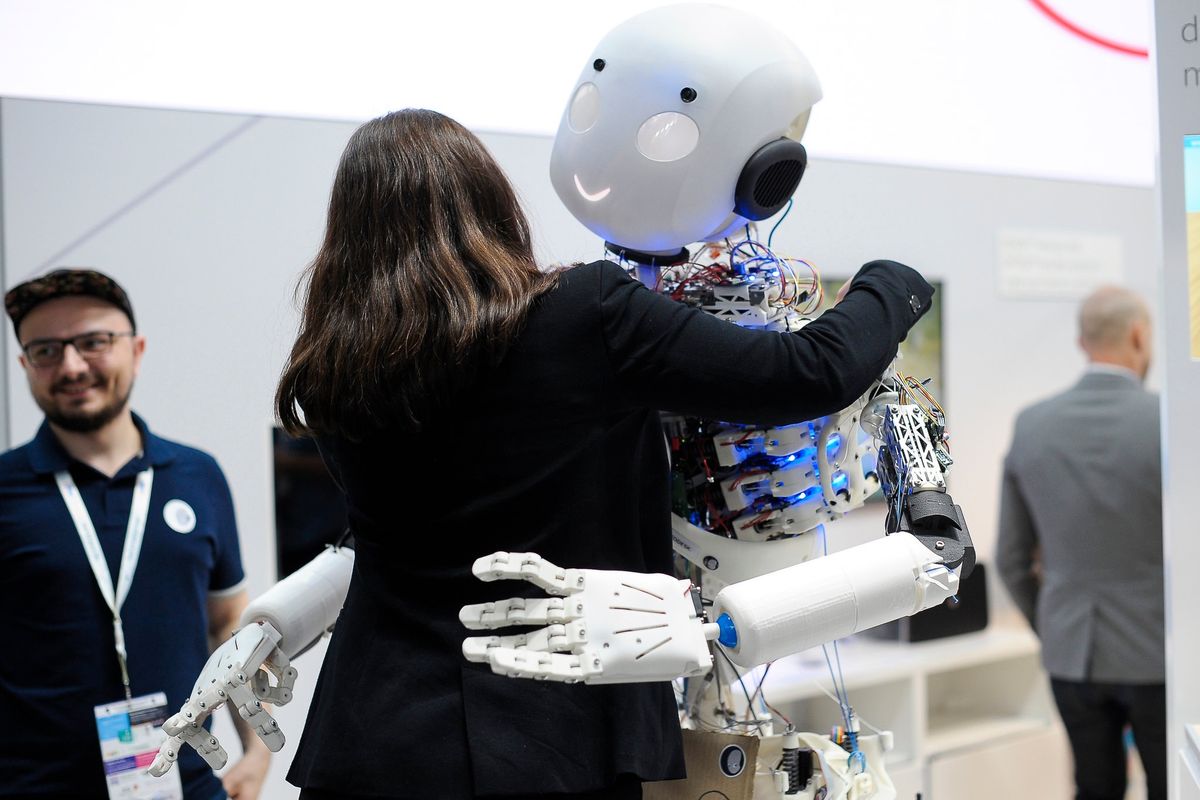
The advent of AI-Powered Medical Diagnostics is a cornerstone of AI in Healthcare Innovation, offering unprecedented precision in identifying diseases and conditions. AI's analytical prowess extends to the interpretation of complex diagnostic images, where AI for Medical Imaging has become instrumental in detecting subtle anomalies that may escape the human eye.
Predictive Analytics in Healthcare AI is transforming the landscape of patient care by forecasting potential health risks and disease progression. This proactive approach not only improves patient outcomes but also streamlines the allocation of medical resources.
The integration of AI into diagnostic processes is not just about technological advancement; it's about fundamentally enhancing the quality of patient care.
The table below succinctly captures the impact of AI on diagnostic accuracy:
| Aspect | Impact of AI |
|---|---|
| Data Analysis | Accelerated and enhanced interpretation of patient data |
| Medical Imaging | Improved detection of diseases through advanced image analysis |
| Predictive Analytics | Early identification of high-risk patients |
Embracing AI in diagnostics is a step towards a future where healthcare is more personalized, efficient, and effective. As we continue to navigate the complexities of medical data and patient care, the synergy between AI and clinical expertise will be pivotal in delivering patient-centered solutions. Let us commit to this journey of transformation, for the betterment of healthcare systems and the lives they touch.
AI-Driven Personalized Medicine
The advent of Personalized Medicine AI Technology marks a new era in healthcare, where treatments are tailored to the individual's genetic makeup, lifestyle, and environment. This precision approach is not just a futuristic concept but a reality being forged by AI-driven success stories that showcase transformative power in healthcare.
One such example is Ginkgo Biworks, whose AI-guided protein engineering is revolutionizing how we understand and interact with biological systems. Their proprietary software platform, Owl, exemplifies the potential of AI to create highly individualized treatment plans, elevating the standard of patient care to unprecedented levels.
The synergy between AI and personalized medicine is creating a paradigm shift in treatment planning and disease management. By analyzing vast amounts of patient data, AI algorithms can predict the most effective treatment pathways, reducing trial and error and enhancing the precision of medical interventions.
The implications for patient engagement and adherence are profound. AI technologies are not only personalizing care but also contextualizing it, fostering active patient participation and addressing the challenge of non-compliance. This is a call to action for healthcare providers to embrace AI-driven personalized medicine, to not only improve outcomes but also to transform the patient experience.
Streamlining Treatment Planning through AI Applications
The advent of AI in healthcare has ushered in an era of unprecedented efficiency in treatment planning. AI's prowess in analyzing vast datasets is revolutionizing how clinicians approach care delivery. By integrating electronic patient records, diagnostic images, and genetic information, AI systems can identify patterns and suggest optimal treatment pathways with a speed and accuracy that were once unimaginable.
- Personalized Treatment Plans: AI's deep learning algorithms are now capable of tailoring treatment to the individual's unique genetic makeup, leading to more effective and targeted therapies.
- Efficient Resource Management: AI-driven tools automate scheduling and resource allocation, ensuring that healthcare facilities operate at peak efficiency.
- Enhanced Collaborative Care: By facilitating better communication among care teams, AI contributes to a more cohesive and patient-focused approach.
The synergy between AI and human expertise is creating a new paradigm in healthcare, where treatment planning is not only more precise but also more patient-centric.
As we continue to harness the power of AI, it is crucial for healthcare professionals to remain at the forefront of this transformation, guiding AI's integration into clinical practice with a keen eye on ethics and patient safety. Embrace the change and be part of the movement that is shaping the future of healthcare. Let's work together to ensure that AI serves as a tool to enhance, not replace, the irreplaceable human touch in patient care.
Optimizing Healthcare Operations with AI-Enabled Solutions

Improving Administrative Workflows
The advent of Healthcare AI Development has ushered in a new era of administrative efficiency, transforming the landscape of healthcare management. AI Healthcare Solutions Providers are at the forefront, offering innovative systems that automate and refine processes such as prior authorizations, billing, and claims processing. This not only alleviates the manual burden on healthcare staff but also redirects their focus towards more critical patient-centric tasks.
By integrating AI in Healthcare Management Systems, organizations are witnessing a paradigm shift in operational workflows. The synergy between AI and administrative functions is creating a more dynamic, responsive, and efficient healthcare environment.
Here's how AI is revolutionizing administrative workflows:
- Automating routine tasks to reduce errors and save time
- Enhancing data-driven decision-making with predictive analytics
- Streamlining communication between departments and with regulatory bodies
Embrace the change and elevate your healthcare operations. Professional API integration services starting at $175 can seamlessly connect your existing systems with cutting-edge AI solutions. Don't let your healthcare practice lag behind—partner with the experts in AI integration and watch your administrative efficiency soar.
Advancing Regulatory Compliance through AI Monitoring
In the intricate dance of healthcare compliance, AI has emerged as a pivotal partner, ensuring that AI-Enabled Healthcare Devices and AI Medical Records Management systems adhere to the stringent standards set forth by regulatory bodies. The advent of AI in healthcare has not only augmented clinical research and assistive technologies but has also introduced a new era of compliance monitoring that is both proactive and precise.
The proactive approach of AI in identifying abnormal access patterns and triggering timely alerts exemplifies its potential to mitigate risks and enhance patient care.
With AI's watchful eye, healthcare providers can now engage in real-time reporting of compliance metrics, fostering an unprecedented level of collaboration with regulatory bodies. This automation streamlines the compliance process and facilitates a collaborative approach with regulatory bodies, ensuring that every step taken is in the best interest of patient safety and care quality.
Here's how AI is transforming regulatory compliance in healthcare:
- Continuous Monitoring: AI systems can tirelessly monitor healthcare operations, identifying potential compliance issues before they become problematic.
- Behavioral Analysis: By analyzing access patterns, AI can detect anomalies and initiate alerts, reducing the risk of non-compliance or adverse events.
- Automated Auditing: Regular checks on critical areas such as EHR integrity are performed, aligning with standards like HL7 and SNOMED CT.
As we navigate this new landscape, it's essential to recognize the role of AI in not just maintaining compliance but in advancing the quality of patient care. The question remains: How can we leverage AI to its fullest potential while ensuring ethical implementation? The answer lies in the synergy of AI with human expertise, a topic we will explore further in this article.
Facilitating Resource Allocation and Coordination
In the realm of healthcare, AI for Healthcare Efficiency is not just a buzzword; it's a transformative force reshaping how resources are allocated and coordinated. By personalizing patient care, automating scheduling, and enhancing communication, AI propels healthcare organizations towards unprecedented operational efficiency. This optimization is not only about cutting costs but also about elevating the quality of patient care.
The benefits of AI in resource allocation extend to various facets of healthcare management:
- Automated scheduling reduces administrative burdens and patient wait times.
- Predictive analytics inform resource distribution, ensuring that the right equipment and staff are available when needed.
- Enhanced communication between departments streamlines operations and minimizes errors.
By integrating AI-driven solutions, healthcare providers can navigate the complexities of resource management with greater ease and precision, ultimately contributing to a smoother healthcare experience for both providers and patients.
The journey towards a more efficient healthcare system is ongoing, and the role of AI is pivotal. As we continue to explore the potential of AI in healthcare, it's crucial to stay informed and engaged with the latest developments. The Bles Software website offers insights on AI, technology, and software solutions for businesses, focusing on leveraging AI for scalable growth and innovation across different business stages. Embrace the future of healthcare by staying at the forefront of AI applications and their impact on patient care.
Empowering Patient Engagement and Adherence with AI

Personalizing Patient Care Strategies
In the era of digital health transformation, AI technologies are proving effective in personalizing and contextualizing care, fostering active patient participation. This is not just about technology; it's about shaping a healthcare journey that resonates with each individual's unique needs and preferences. By leveraging AI, providers can craft targeted content and interventions that encourage patients to take an active role in their health management.
The key to successful patient outcomes lies in the synergy between AI-driven customization and patient engagement.
Consider the following benefits of AI in personalizing patient care:
- Targeted Content Delivery: AI algorithms can analyze patient data to deliver health information that is most relevant to the individual's condition and lifestyle.
- Proactive Health Reminders: Personalized messaging alerts remind patients of important health actions, such as medication adherence and follow-up appointments.
- Nuanced Interventions: By understanding patient behaviors and preferences, AI can tailor interventions to effectively address challenges like non-compliance.
AI is not a panacea, but when integrated thoughtfully with clinical expertise, it becomes a powerful ally in the quest for optimal health outcomes. As Stas Sorokin, an expert in AI and software development, emphasizes, the practicality and innovative approach of AI can exceed expectations and provide valuable insights into patient care. The future of healthcare is not just about treating diseases—it's about nurturing a healthcare ecosystem that is as dynamic and individual as the patients it serves.
Boosting Adherence through AI-Driven Interventions
In the quest to elevate patient care, adherence to treatment plans is a cornerstone of success. AI-driven interventions are revolutionizing this aspect of healthcare, ensuring that patients remain engaged and compliant with their care regimens. By leveraging AI-powered analytics, healthcare providers can deliver personalized recommendations that resonate with individual patient needs, thus unlocking business potential and enhancing patient outcomes.
- Personalized messaging alerts
- Targeted content delivery
- Nuanced intervention strategies
These AI-enabled tactics are not only about reminding patients to take their medication or attend follow-up visits; they are about fostering a deep sense of participation and ownership over one's health journey. AI's continuous behavioral analysis also plays a pivotal role, offering a proactive stance in healthcare management by identifying at-risk patterns and triggering timely alerts.
The synergy of AI with clinical expertise is creating a new paradigm in patient adherence, one where technology and human insight converge to support the patient every step of the way.
As we embrace these advancements, it's crucial to remember that technology is an enabler, not a replacement. The human touch remains irreplaceable in healthcare, and AI is here to enhance it, not to overshadow it. Let's continue to explore and integrate these AI-driven solutions, ensuring that we maintain the delicate balance between innovation and the personal touch that lies at the heart of patient care.
Enhancing Patient-Provider Communication
In the realm of healthcare, the introduction of AI Telemedicine Advancements has been a game-changer for patient-provider communication. By leveraging AI-driven analytics, telemedicine platforms can now offer more personalized and efficient interactions between patients and healthcare professionals. This not only enhances customer engagement but also fosters brand loyalty and a competitive advantage for healthcare providers.
- AI technologies personalize care, fostering active patient participation.
- Virtual patient assistants are available 24/7, breaking down barriers to care.
- Real-time compliance metrics and collaboration with regulatory bodies are streamlined.
The synergy between AI and telemedicine is crafting a new paradigm in healthcare communication, one that prioritizes convenience, personalization, and accessibility.
As we continue to witness the transformative impact of AI on healthcare, it is imperative to stay informed and engaged. Embrace the future of healthcare by exploring how AI can enhance your practice or personal health management. The journey towards a more efficient, patient-centered healthcare system is just beginning, and your participation is crucial.
Navigating the Complexities of Clinical Data with AI
Simplifying Access to Health Information
In the labyrinth of healthcare data, AI emerges as a beacon of clarity, transforming the way we access and interpret complex medical information. AI's ability to process intricate terminology and adapt to the dynamic medical landscape enhances our capacity for informed decision-making. This is not just a step forward; it's a leap into a new era of healthcare intelligence.
The integration of AI into healthcare data management is not merely a technological upgrade; it represents a fundamental shift towards a more streamlined and efficient system.
Healthcare professionals are now armed with AI tools that simplify the retrieval and understanding of health information, ensuring that patient privacy is safeguarded and compliance with regulations like HIPAA and GDPR is maintained. The synergy of AI with stringent protocols established by organizations such as the WHO is not a constraint but a catapult that propels us into a future where data is both secure and readily accessible.
To truly revolutionize healthcare, we must embrace AI's potential to demystify the complexities of clinical data. Join us in this journey to unlock the full potential of health information, and witness how AI-driven solutions can redefine patient care and operational efficiency.
AI as a Tool for Decision Support
In the realm of healthcare, AI in Clinical Decision Support stands as a beacon of innovation, guiding clinicians through the labyrinth of clinical data with unprecedented precision. AI-driven data analysis not only enhances diagnostic and treatment accuracy but also offers operational excellence, competitive advantage, and efficiency improvements. By embracing AI, healthcare providers can achieve enhanced productivity and transformative outcomes, crucial in today's digital marketplace.
AI's prowess in predictive analytics is particularly noteworthy. It harnesses demographic, medical history, and social determinants of health data to foresee patient risks and healthcare demands. This foresight is instrumental in crafting proactive strategies that improve patient outcomes and streamline resource utilization.
The synergy between AI and human expertise cultivates a decision-making environment that is both data-rich and intuitively navigated, ensuring that each patient receives the most informed care possible.
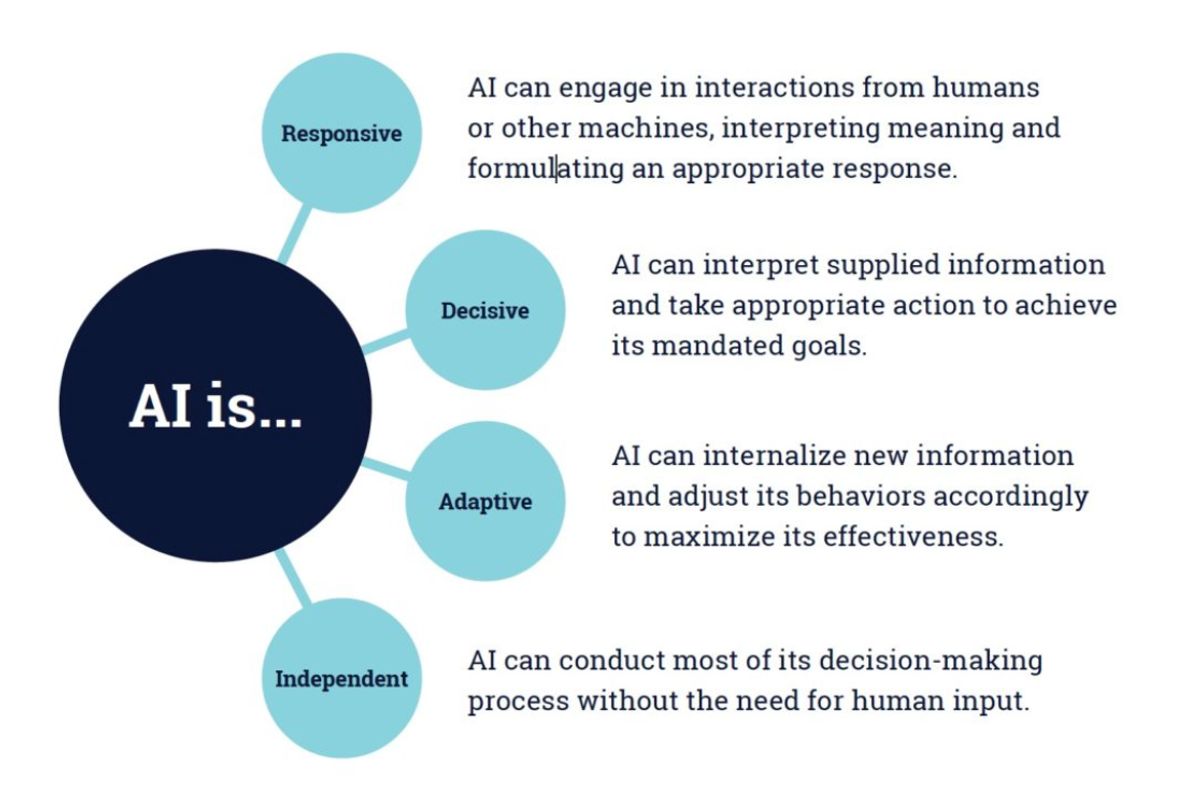
Machine Learning, a subset of AI, is the engine behind this transformative power. It enables systems to learn from data, identify patterns, and make decisions with minimal human intervention. The parameters of these models are refined through training, resulting in a tool that is both sophisticated and adaptable to the nuances of individual patient care.
Managing the Data Deluge in Healthcare
In the era of big data, healthcare professionals are inundated with vast amounts of information. AI Healthcare Data Analysis stands as a beacon of hope, offering to transform this deluge into actionable insights. By leveraging AI, we can distill complex datasets into comprehensible patterns, aiding in the early detection of diseases and tailoring treatments to individual patient needs.
The promise of AI in healthcare is not just in managing data, but in unlocking its potential to improve patient outcomes and operational efficiency.
Consider the following benefits of AI Healthcare Data Analysis:
- Reduction of clinical data complexities: AI simplifies the interpretation of intricate health records and clinical data, enabling more informed decision-making.
- Compliance with regulatory standards: AI systems are designed to adhere to strict privacy and security protocols, ensuring patient data is handled with the utmost care.
- Enhanced predictive analytics: Through the analysis of patterns and trends, AI can forecast health risks and facilitate preventative care strategies.
As we navigate the complexities of healthcare data, it is crucial to remember that AI is not a replacement for human expertise but a powerful tool that complements it. The synergy between AI and clinicians can lead to a revolution in patient-centered care. Embrace the change, and be part of the transformation. Join us in exploring the full potential of AI in healthcare.
The Synergy of AI and Human Expertise in Patient-Centered Care
Integrating AI with Clinical Expertise
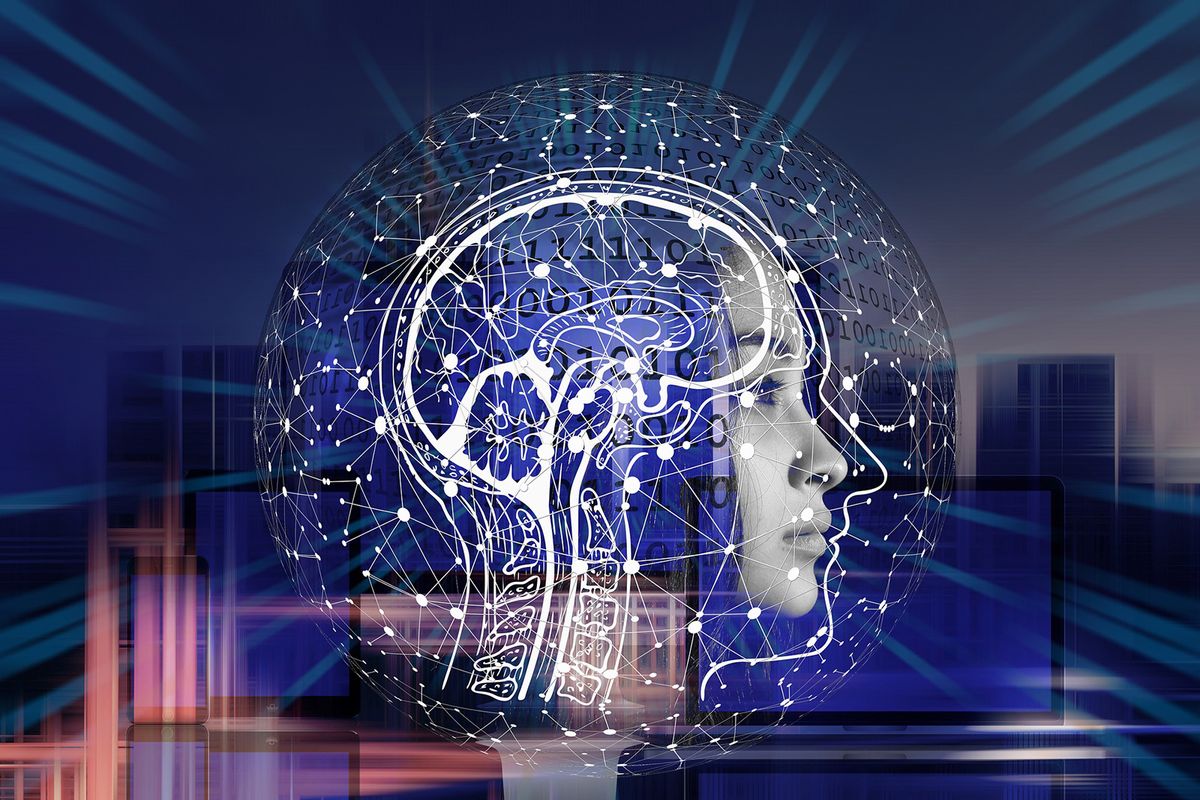
The advent of AI in Patient Care Technology marks a pivotal moment in the evolution of healthcare. AI's capacity to process and analyze vast datasets is not about replacing the clinician's role but rather augmenting it. By integrating AI tools with clinical expertise, we can achieve a synergy that enhances decision-making and patient outcomes.
For instance, consider the role of AI in diagnosis and treatment planning. AI algorithms can sift through electronic patient records and diagnostic images, identifying patterns and abnormalities that might elude even the most experienced professionals. This integration leads to more accurate diagnoses and more personalized treatment plans, which are tailored to the individual's genetic makeup and medical history.
The true potential of AI lies in its ability to complement human expertise, fostering a collaborative approach to healthcare that integrates technological advancements with compassionate patient care.
However, it's crucial to acknowledge that AI is not a cure-all. The human element—understanding context, abstract problem-solving, and empathetic patient interaction—remains irreplaceable. As we continue to navigate the complexities of healthcare data, AI serves as a powerful ally, cutting through the noise to make health information more accessible and actionable.
Join us in exploring the transformative journey of AI in healthcare. Embrace the future where technology and human expertise converge to deliver patient-centered care at its best.
Fostering a Collaborative Approach to Healthcare
In the realm of healthcare, the fusion of AI with human expertise is not just an innovation; it's a necessity for a future where care is truly patient-centered. AI is not a replacement for the human touch in healthcare; it is an enhancement. By integrating AI tools with clinical acumen, we can create a synergy that elevates patient care to new heights.
- AI-driven analytics can inform clinical decisions, offering insights that might be beyond the scope of human detection.
- Real-time data monitoring allows for a more dynamic response to patient needs, ensuring that care plans are always up-to-date.
- Through predictive modeling, AI can help anticipate patient issues before they arise, allowing for preemptive care strategies.
The goal is to weave AI seamlessly into the fabric of healthcare, ensuring that it supports, rather than supplants, the critical human element. This collaborative approach is key to delivering care that is not only effective but also compassionate and responsive to the unique needs of each patient.
As we continue to navigate the complexities of integrating AI into healthcare, it is imperative that we maintain a focus on the human aspect of care. We invite you to join us in this journey, to explore how AI can enhance your practice and enrich the lives of your patients. Let's collaborate to create a healthcare system that is smarter, more efficient, and deeply human.
Ensuring Ethical Implementation of AI in Healthcare
The integration of AI into healthcare is not just a technological upgrade; it's a commitment to uphold the highest ethical standards. Ethical AI use in business is crucial for trust and social impact. Companies must prioritize transparency, accountability, fairness, and privacy to foster a sustainable and trust-based relationship with patients and practitioners. AI analytics and skills development are key for strategic advantage, ensuring that the technology serves the greater good while respecting individual rights.
The ethical deployment of AI in healthcare requires a vigilant approach to data protection. Developers must construct secure code, while users are responsible for safeguarding the data used to train these systems. The WHO's regulations highlight the importance of increased data transparency, and AI-powered tools are instrumental in auditing data sources to maintain this transparency.
Healthcare professionals are tasked with a monumental responsibility: to guarantee the quality and safety of care. This includes protecting patient privacy and adhering to stringent regulatory requirements such as HIPAA in the US and GDPR in Europe. AI's role in compliance is not just watchful but proactive, offering real-time monitoring and auditing capabilities that revolutionize how healthcare institutions manage compliance.
To ensure the ethical use of AI, consider the following points:
- Establish clear guidelines for data privacy and security.
- Implement continuous auditing and monitoring systems.
- Engage in ongoing dialogue with stakeholders about AI's role and impact.
- Prioritize the development of AI competencies within the healthcare workforce.
As we navigate the complexities of AI in healthcare, let us not forget the human element. The synergy between AI and human expertise is paramount, and together, they can deliver patient-centered care that is both innovative and ethically sound. Join us in embracing this transformative journey, where technology meets humanity for the betterment of all.
Conclusion
The integration of Artificial Intelligence into healthcare is not just a futuristic concept but a present reality with tangible benefits. As we have explored, AI-driven custom solutions are revolutionizing patient care by enhancing diagnostic accuracy, personalizing treatment plans, and fostering patient engagement. Moreover, AI is instrumental in streamlining operations through administrative efficiency, reducing clinical data complexities, and optimizing resource allocation. The synergy between AI and healthcare professionals is paving the way for a more efficient, effective, and patient-centered healthcare system. However, the journey towards fully realizing AI's potential in healthcare requires continuous collaboration, ethical considerations, and strategic implementation. Embracing AI responsibly can lead to a paradigm shift in healthcare, where technology and human expertise work hand in hand to improve patient outcomes and the overall healthcare experience.
Frequently Asked Questions
How is AI enhancing diagnostic accuracy in healthcare?
AI is enhancing diagnostic accuracy by analyzing vast amounts of data, including electronic patient records and diagnostic images, to detect abnormalities and assist healthcare professionals in making more informed decisions. It helps sift through data quickly, identifying patterns that may be missed by the human eye.
What is AI-driven personalized medicine?
AI-driven personalized medicine involves tailoring treatment plans to individual patients based on their specific data, genetic factors, and medical history. This approach improves the precision and effectiveness of medical interventions, leading to better patient outcomes.
How does AI contribute to streamlining healthcare operations?
AI contributes to streamlining healthcare operations by automating administrative tasks such as billing, claims processing, and scheduling, which reduces manual processes and allows healthcare providers to focus more on patient care. It also helps in resource allocation and coordination, making operations more efficient.
In what ways does AI improve patient engagement and adherence?
AI improves patient engagement and adherence by personalizing care strategies and interventions. It uses targeted content, messaging alerts, and nuanced interventions to foster active patient participation and address the challenge of non-compliance, enhancing the overall healthcare experience.
How does AI help in managing the data deluge in healthcare?
AI helps manage the data deluge in healthcare by processing complex and highly specific medical terminology, making health information more accessible, and supporting decision-making. It cuts through the complexity of healthcare data, facilitating better information management and strategic initiatives.
What is the role of AI in ensuring ethical healthcare practices?
AI plays a role in ensuring ethical healthcare practices by providing tools for real-time monitoring and auditing, which helps healthcare institutions stay compliant with regulations. It should be implemented thoughtfully and strategically, complementing human expertise and fostering a collaborative approach to patient-centered care.
Comments
Post a Comment