Revolutionizing Healthcare: The Emergence of AI-Driven Custom Solutions for Enhanced Patient Care
The integration of Artificial Intelligence (AI) into healthcare is transforming the landscape of patient care, offering unprecedented advancements in diagnostics, treatment, and management. This article explores the revolutionary impact of AI-driven custom solutions on enhancing patient care and operational workflows, addressing the transformative potential of AI in diagnostics, ethical considerations, technological innovations, and the future vision of AI in healthcare.
Key Takeaways
- AI-driven diagnostics are enhancing precision and reducing errors, leading to more personalized treatment plans.
- Ethical challenges such as patient privacy and equitable access must be navigated as AI becomes integral to healthcare.
- Innovative AI applications, including predictive analytics and natural language processing, are optimizing healthcare delivery.
- Robotics, combined with AI, is advancing surgical and rehabilitation techniques, improving outcomes and precision.
- The future of healthcare AI promises increased accessibility, efficiency, and collaboration between technology and medical experts.
Revolutionizing Patient Care with AI-Driven Diagnostics

Enhancing Diagnostic Precision through Machine Learning
The integration of AI into the realm of medical diagnostics heralds a new era of precision medicine. AI-Powered Medical Diagnostics are transforming the landscape of healthcare, offering a level of accuracy in disease identification that was previously unattainable. Traditional methods, constrained by the inherent complexity of medical data interpretation, are now being augmented by AI's superior analytical capabilities.
Particularly in AI for Medical Imaging, machine learning algorithms are trained on extensive datasets, enabling them to discern subtle patterns and anomalies with a precision that surpasses human analysis. This advancement not only enhances diagnostic accuracy but also accelerates the diagnostic process, leading to quicker and more effective patient care.
The promise of AI-driven diagnostics is not just in its precision, but also in its ability to tailor treatments to the individual needs of patients. By harnessing the power of AI, healthcare providers can devise treatment plans that are both highly effective and minimally invasive, ensuring the best possible outcomes for patients.
As we continue to witness the remarkable impact of AI on medical diagnostics, it is crucial to stay informed and engaged with the latest developments. The potential for AI to revolutionize patient care is immense, and staying at the forefront of this innovation is key to unlocking its full benefits. Join us in exploring the transformative potential of AI in healthcare and be part of the journey towards a future where every patient receives the care they truly deserve.
Reducing Diagnostic Errors with AI Integration
The integration of Artificial Intelligence (AI) into diagnostic processes marks a significant milestone in the quest for precision medicine. By leveraging AI's capabilities, healthcare providers are witnessing a reduction in diagnostic errors, which has been a persistent challenge in the medical field. AI algorithms, trained on vast datasets, can detect patterns and anomalies that may elude even the most experienced clinicians.
The transformative potential of AI in diagnostics is not merely theoretical; it is a reality that is reshaping the landscape of patient care.
AI-driven diagnostics not only improve the accuracy of diagnoses but also contribute to a more efficient healthcare system. By reducing the time and resources spent on correcting misdiagnoses, AI allows for a more streamlined approach to patient care. Here are some key benefits of AI integration in diagnostics:
- Enhanced diagnostic accuracy through advanced pattern recognition
- Quicker identification of conditions, leading to timely interventions
- Reduction in healthcare costs associated with diagnostic inaccuracies
- Personalized treatment plans based on precise diagnostic data
The AI-driven success stories in various sectors underscore the transformative power of AI, and the field of diagnostics is no exception. As we continue to harness AI for healthcare, the focus remains on ensuring that these advancements lead to tangible improvements in patient outcomes and overall healthcare delivery.
Customizing Treatment Plans with Data-Driven Insights
In the transformative landscape of healthcare, Personalized Medicine AI Technology stands at the forefront, heralding a new era of individualized patient care. By harnessing the power of AI-driven analytics, healthcare providers can now tailor treatment plans with unprecedented precision, taking into account a patient's medical history, genetic profile, and lifestyle factors. This not only enhances patient engagement and satisfaction but also propels healthcare towards a future where every treatment is as unique as the individual receiving it.
The integration of AI into treatment personalization signifies a monumental shift in patient care. It enables the dynamic adjustment of treatment regimens in response to real-time health data, optimizing patient outcomes and elevating the standard of care to new heights.
The table below illustrates the impact of AI on treatment personalization:
| Aspect | Without AI | With AI |
|---|---|---|
| Treatment Precision | Generic | Tailored |
| Patient Satisfaction | Variable | Increased |
| Outcome Optimization | Limited | Enhanced |
Embracing AI in the development of treatment plans is not just an option; it is imperative for growth and success in our data-driven world. As we move forward, the symbiosis of AI and healthcare promises to revolutionize patient care, making it more efficient, effective, and truly personalized.
Navigating the Future: The Role of AI in Healthcare Ethics

Balancing Innovation with Patient Privacy
In the quest to harness the transformative power of AI in healthcare, we must tread carefully to maintain the delicate balance between innovation and patient privacy. The ethical use of AI is non-negotiable, as it underpins the trust and transparency that are essential in the patient-caregiver relationship. Healthcare organizations are tasked with the dual responsibility of leveraging AI to uncover hidden patterns for innovation and growth, while also implementing stringent cybersecurity measures to protect sensitive patient data.
Amidst the digitization of healthcare, the integration of technology with healthcare systems presents both challenges and opportunities. It is imperative that we navigate this landscape with a clear ethical compass, ensuring that every step taken is in the best interest of patient privacy and security.
To achieve this, a multi-faceted approach is necessary:
- Adherence to regulatory standards such as HIPAA and GDPR.
- Anonymization and secure storage of patient data.
- Clear guidelines on data ownership and usage.
- Open communication and patient education about AI's role in healthcare.
As we move forward, a collaborative innovation strategy is key. This involves partnerships across the healthcare ecosystem, including technology developers, healthcare providers, regulators, and patients. Together, we can address the technical and ethical issues, driving innovation that upholds the highest standards of care and equity. Engage with us as we explore the ethical frontiers of AI in healthcare and contribute to a future where technology enhances patient care without compromising privacy.
Establishing Ethical Guidelines for AI Use
In the realm of healthcare, the integration of AI brings forth a myriad of ethical considerations that must be meticulously addressed. The ethical use of AI in healthcare is paramount, ensuring that patient welfare remains at the forefront of technological advancements. To navigate these complex waters, a set of ethical guidelines is indispensable.
- Data Security: Implementing stringent data protection measures to safeguard sensitive patient information.
- Informed Consent: Obtaining clear consent for the use of personal health data in AI systems.
- Transparency: Ensuring the AI decision-making process is understandable to patients and healthcare professionals.
- Accountability: Establishing clear lines of responsibility in the event of diagnostic errors or adverse outcomes.
- Equity: Guaranteeing that AI-driven solutions do not perpetuate healthcare disparities and are accessible to all.
The creation of robust regulatory frameworks and ethical guidelines is crucial in guiding the ethical application of AI in healthcare. These frameworks must ensure that patient data is anonymized, securely stored, and used with the utmost respect for privacy and ownership.
As we continue to witness the transformative impact of AI on patient care, it is our collective responsibility to ensure that these technologies are harnessed responsibly. By establishing ethical guidelines, we not only protect the integrity of patient data but also foster a climate of trust and transparency that is essential for the successful integration of AI in healthcare. Let us commit to continuous learning and improvement, ensuring that AI serves as a beacon of innovation that upholds the highest ethical standards in patient care.
Ensuring Equity in AI-Enhanced Healthcare Delivery
The promise of AI in healthcare is not just in its technological prowess but in its potential to level the playing field for patients worldwide. To realize this potential, we must ensure that AI tools are designed and implemented with equity at their core. This means actively working to eliminate biases that may arise from datasets that are not representative of the diverse populations they serve.
- Democratization of AI technologies is essential for broadening access to cutting-edge healthcare solutions.
- Addressing disparities in healthcare access and quality is critical to leveraging AI for the benefit of all.
- Ensuring comprehensive and representative datasets is key to avoiding biases in AI-driven outcomes.
The ethical deployment of AI in healthcare hinges on our commitment to equity. It is not enough to develop advanced AI systems; we must also foster an environment where every individual has equal access to these life-changing innovations.
As we continue to integrate AI into healthcare, we must confront and overcome challenges such as data privacy, algorithmic bias, and compliance issues. Only by tackling these obstacles can we ensure that AI will not only transform but also enhance the healthcare delivery system for everyone. Remember, the future of healthcare is in our hands, and it is up to us to shape it into a more effective, accessible, and patient-centered system. Engage with professional API integration services to ensure your healthcare solutions are secure, scalable, and supported for the journey ahead.
Innovations in Healthcare Technology: AI at the Forefront

Predictive Analytics in Patient Management
The integration of Predictive Analytics in Healthcare AI is transforming the landscape of patient management. By leveraging vast amounts of healthcare data, AI in Healthcare Innovation is not only predicting potential health risks but also tailoring preventive strategies to individual needs. This proactive approach is a cornerstone of AI in Patient Care Technology, ensuring that interventions are timely and effective, ultimately enhancing patient outcomes.
AI Healthcare Solutions Providers are at the forefront of this revolution, utilizing AI Medical Records Management to sift through complex datasets and identify patterns that human analysis could easily overlook. The result is a more nuanced understanding of patient health trajectories, enabling AI in Clinical Decision Support to anticipate issues before they arise.
Moreover, AI-Enabled Healthcare Devices and AI Telemedicine Advancements are extending the reach of predictive analytics, making it possible to monitor and manage health conditions remotely. This not only improves access to care but also empowers patients to take an active role in their health management. AI in Healthcare Management Systems is not just about predicting the future; it's about creating a better one for patients everywhere.
The synergy between AI Healthcare Data Analysis and predictive analytics paves the way for a healthcare system that is not only more responsive but also more personalized. It's a future where technology and human expertise collaborate to deliver care that is both compassionate and cutting-edge.
AI-Assisted Drug Discovery and Development
The advent of AI in drug discovery and development heralds a new epoch in healthcare innovation. AI accelerates the drug discovery process, analyzing vast arrays of biological and chemical data to unearth potential drug candidates. This not only shortens the drug development timeline but also enhances the likelihood of successful treatments. By predicting compound behaviors and treatment efficacy, AI refines the drug discovery process to a fine art.
AI's role in drug development transcends mere acceleration. It embodies a transformative power that reshapes the landscape of pharmaceutical research. Consider the following impacts of AI on drug discovery:
- Identification of potential drugs through advanced pattern recognition
- Prediction of drug efficacy using sophisticated algorithms
- Simulation of clinical trials to forecast therapeutic outcomes
AI empowers businesses with data-driven insights for personalized customer experiences, improved decision-making, and competitive advantage. Real-time data analysis and predictive modeling drive growth and efficiency.
The implications for patient care are profound. As AI systems simulate clinical trials and monitor the safety and efficacy of new drugs, the timescale for drug development is not just shortened—it's revolutionized. Costs are minimized, and the path to life-saving treatments becomes clearer and more direct. The promise of AI in this domain is not just to innovate but to transform the very essence of drug discovery and development for the betterment of all.
Natural Language Processing for Clinical Documentation
The advent of Natural Language Processing (NLP) in healthcare is transforming the landscape of clinical documentation. By teaching computers to understand and interpret human language, NLP enables the swift and precise analysis of vast amounts of medical data. This not only enhances the accuracy of patient records but also significantly reduces the administrative burden on healthcare professionals.
The integration of NLP into healthcare systems is a game-changer, offering a seamless way to manage patient and medical records.
NLP's subset, Natural Language Understanding (NLU), takes this a step further by grasping the intent and context behind words, which is crucial for analyzing clinical notes and understanding patient queries. Here's how NLP is making a difference:
- Coding and analysis of patient health records become more efficient.
- Interpreting text and generating data that mimics human interaction.
- Reducing workload for healthcare personnel through automation.
As we continue to witness the AI-driven analytics revolutionize customer engagement, the same principles apply to healthcare, where personalization and data-driven insights are enhancing patient care. The potential for NLP to boost loyalty to healthcare providers through improved patient experiences is immense. Healthcare entities that leverage these technologies are not only seeing improvements in patient care but also in operational efficiency and revenue growth.
Engage with the future of healthcare: Embrace the power of AI and NLP to revolutionize your clinical documentation processes. The time to act is now—be part of the change that enhances patient care and propels the healthcare industry forward.
Robotics in Surgery and Rehabilitation: A New Era of Medical Treatment
Advancements in Robotic-Assisted Surgical Procedures
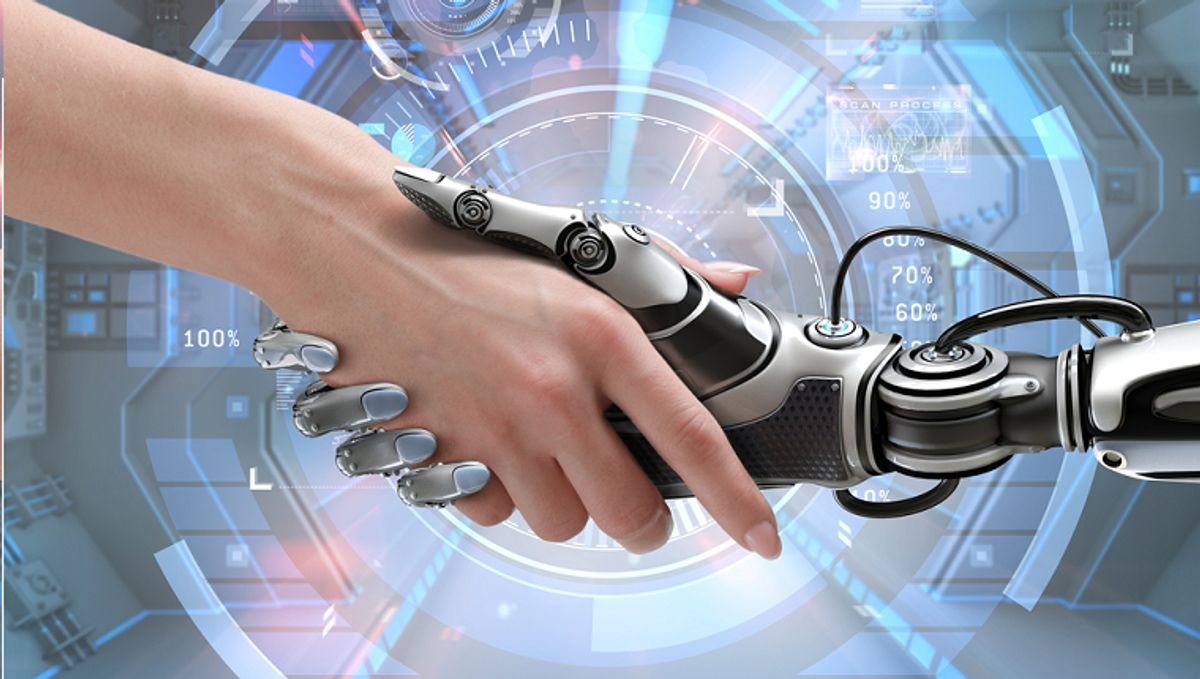
The integration of robotics in surgery is not just a leap forward; it's a quantum jump in the operating room. Robotic systems, now guided by AI, are redefining what's possible in surgical precision and control. Surgeons, equipped with these advanced tools, can perform complex procedures with a newfound level of accuracy and dexterity. The benefits are tangible and transformative:
- Minimally invasive techniques that lead to quicker patient recovery.
- Enhanced surgical outcomes with lower risk of infection.
- Real-time data analysis from pre-op medical records to inform surgical decisions.
The synergy between AI and robotics is crafting a new narrative in patient care, where every incision and suture is informed by data-driven insights.
As we embrace these advancements, it's crucial to recognize the strategic role of AI-driven data analysis in achieving operational excellence and efficiency. This is not just about keeping pace; it's about setting the pace in a competitive digital marketplace. Embrace AI for transformative outcomes and strategic initiatives that redefine patient care.
AI and Robotics in Patient Rehabilitation
The integration of AI and robotics in patient rehabilitation is not just a leap forward; it's a boundless sprint towards redefining recovery. Robotic exoskeletons, for instance, are no longer figments of science fiction. They are here, aiding in the restoration of mobility and independence for patients who have suffered from severe injuries or strokes. These marvels of technology, guided by sophisticated AI algorithms, are custom-tailored to individual patient needs, ensuring a rehabilitation process that is both effective and empowering.
The benefits of AI and robotics in rehabilitation are manifold:
- Personalized therapy sessions that adapt in real-time to the patient's progress
- Enhanced consistency and precision in therapeutic exercises
- Data-driven insights that inform and refine rehabilitation strategies
The promise of AI in rehabilitation is clear: to deliver care that is not only cutting-edge but also compassionate, focusing on the unique journey of each patient towards recovery.
As we witness the harmonious blend of AI and robotics in healthcare, it's crucial to recognize the individuals behind the technology. Professionals like Stas Sorokin, who offer AI-powered web app development, are the unsung heroes. Their expertise in integrating AI applications with existing healthcare frameworks is pivotal in advancing patient care. It's the dedication of such experts that fuels the continuous evolution of rehabilitation practices, ensuring that the future of healthcare is not just high-tech, but also high-touch.
Embrace the future of healthcare by staying informed and engaged. The revolution in patient rehabilitation is just beginning, and your support is vital. Join us in this journey; be a part of the conversation that shapes the next wave of medical innovation.
Improving Surgical Outcomes with Precision Robotics
The integration of robotics in surgical procedures marks a transformative leap in healthcare. Robot-assisted surgery, guided by AI, is not just a futuristic concept but a present reality enhancing surgical precision and patient safety. Surgeons, equipped with robotic tools, can now perform intricate operations with a level of accuracy that was once unattainable. This leap forward translates into tangible benefits for patients, including reduced recovery times and lower risks of complications.
The synergy between surgeon expertise and robotic precision is setting new standards in surgical care, ensuring that each procedure is as minimally invasive and effective as possible.
The impact of robotics on surgical outcomes is best illustrated through data:
| Metric | Traditional Surgery | Robot-Assisted Surgery |
|---|---|---|
| Average Recovery Time | 6 weeks | 4 weeks |
| Complication Rate | 15% | 5% |
| Patient Satisfaction | 85% | 95% |
These statistics underscore the revolution in patient care that robotics has ushered in. As we continue to witness advancements in this field, the potential for further enhancing surgical outcomes remains vast. The future beckons with the promise of even more personalized and precise interventions, tailored to the unique anatomical nuances of each patient.
We invite you to stay informed and engaged with the latest developments in AI-driven healthcare solutions. Your health and well-being may one day benefit from these remarkable technologies. Embrace the future of medicine, where Stas Sorokin's expertise in AI and software development is contributing to the evolution of patient care.
The Evolution of AI in Healthcare: A Vision for the Future
The Impact of AI on Healthcare Accessibility and Efficiency
The advent of Healthcare AI Development is not just a fleeting trend; it's a transformative force reshaping the landscape of medical care. AI for Healthcare Efficiency is more than a buzzword—it's the cornerstone of a new era where healthcare is not only more accessible but also more precise and cost-effective.
AI integration revolutionizes metrics with efficiency gains, cost savings, revenue growth, and innovation rate. However, businesses must navigate challenges to harness AI's full potential for strategic growth and success. This is particularly true in healthcare, where AI-driven solutions are streamlining administrative workflows, reducing manual burdens, and allowing providers to concentrate on what matters most—patient care.
In the realm of healthcare, AI's power is evident in its ability to address some of the biggest drivers of waste and inefficiency. By automating tasks such as prior authorizations, billing, and claims processing, AI is not only enhancing administrative efficiency but also carving out more time for healthcare professionals to dedicate to patient care.
The promise of AI in healthcare is immense, and its impact on accessibility and efficiency is already being felt. As we continue to witness the growth of AI in the medical field, it is crucial for us to stay informed and engaged with the latest developments. The future of healthcare is unfolding before our eyes, and it is incumbent upon us all to be part of this exciting journey. Embrace the change, and join the conversation on how AI can further revolutionize patient care.
Fostering a Collaborative Ecosystem between AI and Medical Experts
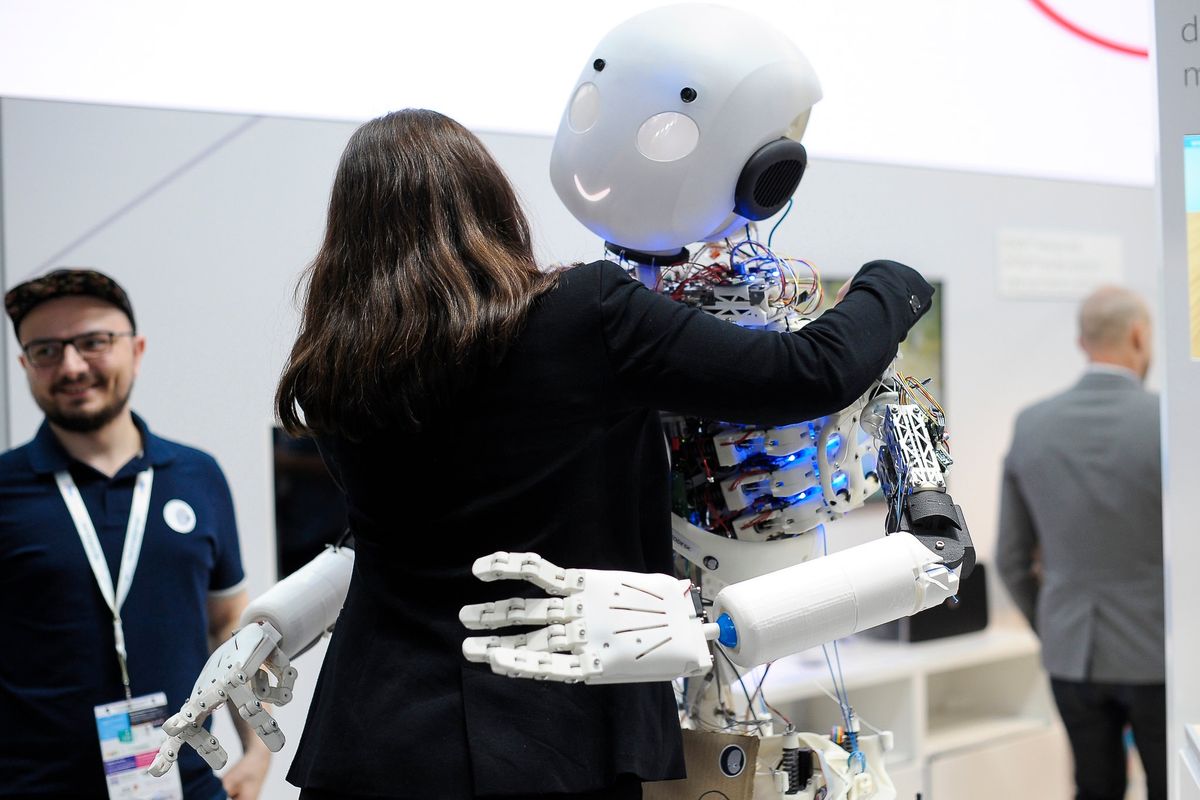
In the quest to revolutionize healthcare, the synergy between AI and medical expertise is pivotal. AI should not be seen as a replacement for human touch but as a powerful ally that enhances the capabilities of healthcare professionals. By integrating AI into the healthcare system, we can harness a wealth of data to inform decisions and personalize patient care.
- The convergence of Big Data and AI technologies empowers organizations with actionable insights for growth and innovation.
- Collaborative innovation is the path forward, requiring partnerships across the healthcare ecosystem.
- Addressing technical and ethical issues is crucial for AI to not just transform, but improve healthcare delivery.
The future of patient care with AI is not just about technology; it's about creating a harmonious blend of data-driven efficiency and human compassion.
As we navigate this transformative era, it is essential to maintain a focus on the human element. AI's role is to support and amplify the expertise of medical professionals, ensuring that patient care remains at the heart of healthcare innovation. Let us embrace this journey together, fostering a collaborative ecosystem that leads to better health outcomes and a brighter future for all.
Anticipating AI Trends and Their Implications for Healthcare in 2024
As we stand on the brink of 2024, the healthcare landscape is poised for a transformative shift, driven by the relentless advancement of artificial intelligence. The evolution of AI-driven analytics has progressed from basic data processing to sophisticated machine learning techniques, with current trends emphasizing real-time analytics, deep learning, and AI-driven automation for strategic decision-making and growth.
The implications of these trends are profound, promising to enhance healthcare delivery through predictive analytics and personalized medicine. Here are some key developments to watch for:
- Real-time health monitoring using wearable AI technology to predict and prevent adverse health events.
- Deep learning algorithms that can identify patterns in medical data, leading to earlier and more accurate diagnoses.
- Automated administrative tasks to free up healthcare professionals' time, allowing them to focus more on patient care.
The synergy between AI and healthcare professionals will be crucial in harnessing these technologies for the betterment of patient outcomes and the overall efficiency of healthcare systems.
As we anticipate the future, it is essential to engage in a dialogue about the ethical deployment of AI in healthcare. We must ensure that these innovations not only advance medical care but also uphold the highest standards of patient privacy and equity. The call to action for all stakeholders—patients, providers, technologists, and policymakers—is to collaborate in fostering a healthcare ecosystem that is both innovative and conscientious.
Conclusion
In conclusion, the integration of Artificial Intelligence (AI) into healthcare is not merely a technological advancement but a paradigm shift that promises to redefine patient care. As we have explored throughout this article, AI-driven custom solutions are enhancing diagnostic accuracy, streamlining operational workflows, and personalizing patient management. The transformative power of AI extends from the microscopic level of drug discovery to the macroscopic realm of healthcare systems, addressing inefficiencies and elevating care standards. The future of healthcare with AI is one of collaboration between human expertise and technological innovation, leading to unprecedented improvements in patient outcomes and experiences. As the healthcare industry continues to evolve, AI stands at the forefront, heralding a new era of accessible, precise, and efficient healthcare delivery. The revolution in healthcare is underway, and AI is the catalyst driving this transformative journey.
Frequently Asked Questions
How is AI enhancing diagnostic precision in healthcare?
AI improves diagnostic precision by analyzing vast amounts of medical data with machine learning algorithms, identifying patterns that may be missed by humans, and aiding in the early detection of diseases.
What are the ethical considerations for AI in healthcare?
Ethical considerations include ensuring patient privacy, establishing clear guidelines for AI use, preventing biases in AI algorithms, and maintaining transparency in AI-driven decisions.
In what ways is AI being utilized in drug discovery and development?
AI is used in drug discovery and development for analyzing complex biochemical data, predicting molecule interactions, speeding up clinical trials, and identifying potential drug candidates more efficiently.
How does AI contribute to robotics in surgery and rehabilitation?
AI contributes to robotics by enhancing precision in surgical procedures, providing adaptive rehabilitation programs based on patient progress, and improving outcomes through advanced analytics and machine learning.
What impact will AI have on healthcare accessibility and efficiency?
AI is expected to make healthcare more accessible by enabling remote diagnostics and telemedicine, improving resource allocation, and reducing operational costs, thereby increasing the efficiency of healthcare services.
What are the anticipated AI trends for healthcare in 2024?
Anticipated AI trends for healthcare include advancements in personalized medicine, increased use of predictive analytics for patient management, further integration of AI in medical imaging, and the expansion of AI applications in mental health.
Comments
Post a Comment