Revolutionizing Healthcare: AI's Role in Enhancing Diagnostics, Telemedicine, and Patient Management
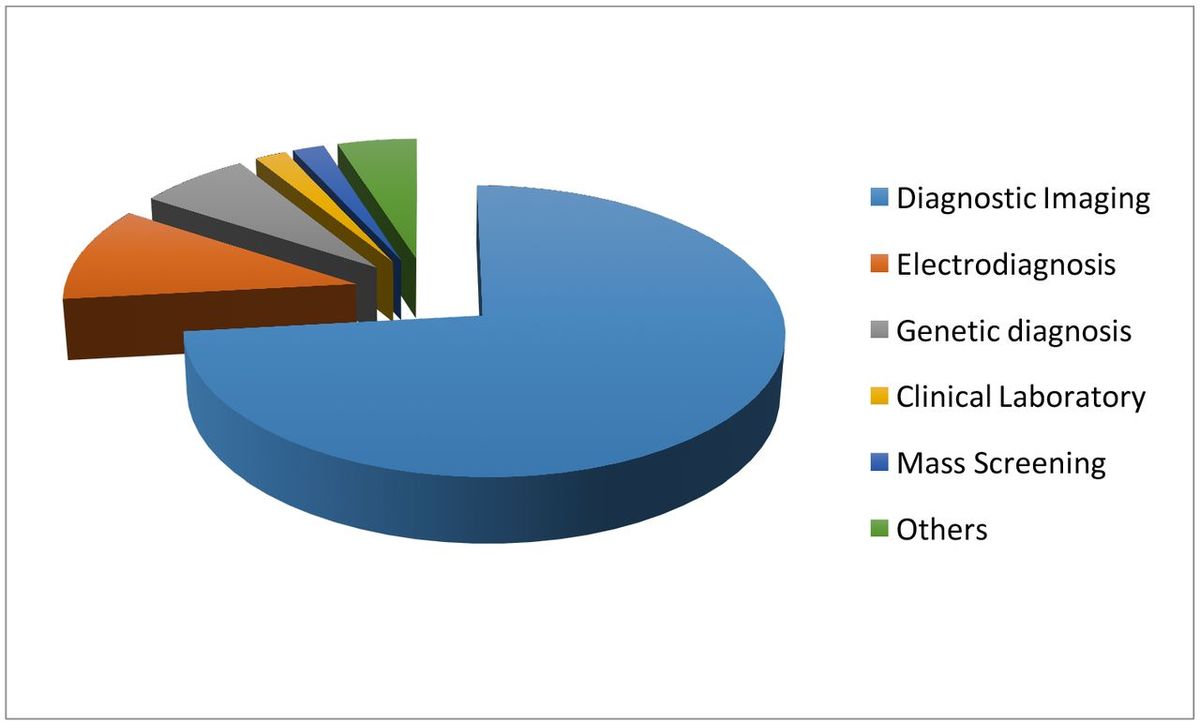
The development of artificial intelligence (AI) has profoundly impacted healthcare, offering advancements that promise to revolutionize medical imaging, diagnostics, telemedicine, patient management, and more. By leveraging AI, healthcare professionals can improve diagnostic accuracy, optimize treatment plans, and enhance patient outcomes. This article explores the multifaceted role of AI in healthcare, highlighting its transformative potential across various applications.
Key Takeaways
- AI is revolutionizing healthcare by enhancing diagnostic accuracy, enabling early disease detection, and personalizing patient care through advanced analytics and machine learning.
- Telemedicine has been expanded through AI-powered tools, facilitating remote patient monitoring, virtual health assistance, and management of chronic conditions.
- AI-driven patient management systems and electronic health records are optimizing healthcare workflows and improving patient care coordination and compliance.
- Healthcare administration is being streamlined by AI, reducing the administrative workload and improving medical billing, coding, and overall healthcare delivery.
- The drug discovery process is being accelerated by AI algorithms, which also contribute to prescription safety and pharmacovigilance by managing and analyzing big data.
The Advent of AI in Medical Imaging and Diagnostics

Enhancing Diagnostic Accuracy with Machine Learning
The integration of AI for Medical Imaging has marked a transformative era in healthcare, where machine learning models, such as support vector machines and neural networks, are not just auxiliary tools but pivotal in enhancing diagnostic precision. These advanced algorithms are trained on vast datasets, enabling them to recognize complex patterns and anomalies that may elude even the most experienced clinicians.
For patients, this means a significant leap towards personalized medicine and early intervention. AI-driven diagnostics can lead to earlier detection of conditions like cancer, cardiovascular diseases, and diabetes, often with higher accuracy than traditional methods. Healthcare providers benefit from AI's assistance in interpreting medical images, which supports more informed decision-making and reduces the likelihood of misdiagnosis.
The promise of AI in healthcare is not just in augmenting current practices but in redefining them to achieve unprecedented levels of accuracy and efficiency.
Organizations that adopt AI technologies stand to gain not only in terms of operational efficiency but also in patient satisfaction and reputation. The table below illustrates the impact of AI on various stakeholders in the healthcare ecosystem:
| Stakeholder | Impact of AI in Diagnostics |
|---|---|
| Patients | Earlier disease detection, personalized treatment plans |
| Healthcare Providers | Improved precision in image interpretation, reduced misdiagnosis |
| Organizations | Enhanced patient outcomes, better organizational reputation |
Embracing AI for medical imaging is not just a technological upgrade; it's a commitment to patient-centered care. As we continue to witness AI-driven predictive analytics revolutionize risk management, it's clear that the healthcare sector is on the cusp of a major paradigm shift. Join us in exploring how AI is reshaping the landscape of diagnostics and beyond.
Early Disease Detection and Monitoring
The promise of AI-Powered Medical Diagnostics lies not just in its technological sophistication, but in its profound potential to change lives. Patients stand at the cusp of a new era where AI can enhance diagnostic accuracy, leading to earlier detection of diseases and improved treatment outcomes. For healthcare providers, AI's precision in interpreting medical images and diagnostic data reduces the likelihood of misdiagnosis, a critical factor in patient care.
The convergence of Big Data and AI technologies empowers organizations to gain actionable insights, driving growth and innovation. Embracing AI-driven analytics is essential for strategic planning and decision-making in healthcare.
Here's how AI is transforming early disease detection and monitoring:
- Predictive Analytics: AI-powered predictive models analyze patient data to identify individuals at risk of developing certain conditions, allowing for early intervention.
- Diagnostic Imaging: AI algorithms assist in interpreting complex medical images, providing faster and more accurate diagnostics.
- Personalized Treatment Plans: Tailoring treatment plans to individual genetic information, AI algorithms offer a customized approach to patient care.
The integration of AI into medical diagnostics not only enhances the quality of patient care but also contributes to the overall efficiency of healthcare organizations. Improved diagnostics lead to better patient outcomes and increased patient satisfaction, bolstering the organization's reputation. As we continue to witness the unfolding impact of AI in healthcare, it is imperative for all stakeholders to engage with these advancements actively. Let us embrace the future of healthcare, where AI-driven solutions offer hope for a healthier world.
AI Integration in Radiology and Pathology
The integration of AI in radiology and pathology is not just a futuristic concept; it's a present-day reality that is transforming the way we approach healthcare. AI algorithms are now indispensable tools in diagnostic imaging, assisting radiologists and pathologists in interpreting complex medical images with unprecedented speed and accuracy. This technological leap is not only enhancing diagnostic precision but also streamlining workflow efficiency, leading to a more robust healthcare system.
In the realm of pathology, AI's impact is equally profound. Companies like PathAI are revolutionizing disease identification, providing pathologists with machine learning tools that analyze pathology slides to detect diseases with a level of precision that was previously unattainable. Similarly, GE Healthcare's integration of AI into medical imaging systems is a testament to the success of AI in improving diagnostics and workflow efficiency.
The benefits of AI in radiology and pathology are clear:
- Faster diagnosis: AI algorithms rapidly interpret scans, reducing wait times for patients.
- Improved accuracy: Machine learning enhances the detection of anomalies, aiding early disease intervention.
- Efficient resource allocation: Optimized workflows allow healthcare providers to focus on critical cases.
The promise of AI in healthcare is not just in its technological prowess but in its potential to offer a more personalized and proactive approach to patient care. By harnessing the power of AI, healthcare providers can better understand patient patterns and needs, offering more targeted feedback and guidance.
As we continue to witness the remarkable advancements in AI, it's crucial to stay informed and engaged with the latest developments. The Fiverr page offers AI web app development services using GPT-4, highlighting the commitment to excellence in integrating AI into practical applications. Embrace the AI revolution in healthcare by exploring these services and considering how they can enhance your practice or business.
Telemedicine and Virtual Care: AI's Expanding Frontier

AI-powered Tools for Remote Patient Monitoring
In the realm of healthcare, AI-driven analytics revolutionize the way we interact with and manage patient care. Remote Patient Monitoring (RPM) systems, equipped with AI, are transforming the landscape of healthcare delivery. These systems not only track vital signs and health metrics but also provide critical data that can lead to proactive healthcare interventions, particularly for those managing chronic conditions from their homes.
The integration of AI in RPM offers a dual advantage. For patients, it means an enhanced quality of life with the ability to stay in their preferred environment. For healthcare providers, it signifies a leap towards more efficient and accessible care. Here's how AI is making a difference:
- Patients: Enjoy the comfort and convenience of managing health from home.
- Healthcare Providers: Gain insights for timely interventions and improved care.
- Organizations: Extend healthcare reach and alleviate physical facility burdens.
The synergy between AI and RPM is paving the way for a future where healthcare is more personalized, efficient, and accessible.
As we continue to witness the expansion of telehealth solutions, it's clear that the integration of AI is not just a trend but a cornerstone in building a resilient healthcare system. The potential to enhance patient outcomes and operational efficiency is immense, and organizations that embrace this technology are setting new standards in patient engagement. Let's not forget the ethical considerations that come with such advancements; patient privacy and safety remain paramount as we navigate this new era of digital health.
Virtual Health Assistants and Patient Engagement
In the digital age, virtual health assistants and chatbots are not just futuristic concepts but everyday allies in the healthcare journey. These AI-powered tools are revolutionizing the way patients interact with healthcare systems, offering immediate responses to inquiries and facilitating essential tasks such as appointment scheduling and medication reminders. The impact of these innovations is profound, enhancing patient engagement and ensuring a seamless flow of communication between patients and providers.
The integration of AI into patient engagement strategies is multifaceted. Here are some key benefits:
- Personalized Treatment Plans: Leveraging patient data to customize care.
- Enhanced Communication: Instant responses and medical advice from AI-driven tools.
- Operational Efficiency: Streamlined processes for quicker and more efficient healthcare delivery.
The promise of AI in healthcare is to augment human expertise, not to replace it. By automating routine tasks, AI allows healthcare professionals to dedicate more time to patient care, fostering a more empathetic and effective healthcare environment.
The Bles Software website offers insights on leveraging AI for scalable growth, business expansion, SaaS innovation, and efficient software development. It emphasizes the strategic implementation of AI across business stages, which is crucial for healthcare organizations aiming to enhance patient engagement through technology. As we continue to navigate the complexities of healthcare, let us embrace the potential of AI to create more patient-centric systems. The journey towards a smarter, more responsive healthcare experience is just beginning, and your participation is key. Engage with us, share your experiences, and be part of the revolution.
Managing Chronic Conditions with AI Telehealth Solutions
The AI Telemedicine Advancements are transforming the landscape of chronic disease management. By leveraging AI systems, patients now have the unprecedented ability to manage their conditions from the comfort of their homes, a revolution that echoes the decision processes enhancements seen in modern business sectors.
AI-powered remote monitoring systems not only provide real-time data but also predictive insights that enable healthcare providers to intervene proactively, potentially averting complications.
Here's how different stakeholders benefit from AI in telehealth:
- Patients: Enjoy increased convenience and autonomy in managing health.
- Healthcare Providers: Gain deeper insights for personalized care plans.
- Organizations: Extend services to underserved areas, alleviating facility pressures.
The integration of AI into healthcare is not without its challenges, including privacy and ethical considerations. Yet, the potential for AI to complement healthcare providers' skills is immense, promising a future where service quality and patient outcomes are significantly enhanced. As we continue to navigate the complexities of chronic disease management, the role of AI in telemedicine becomes increasingly vital. Embrace the change, and witness the transformation in patient care and operational efficiency.
AI-Driven Patient Management and Electronic Health Records

Optimizing Electronic Health Record Systems with AI
The integration of AI into electronic health record (EHR) systems is a game-changer for AI Medical Records Management. By leveraging AI's ability to analyze large datasets, healthcare providers can now expect a transformation in the way patient data is managed, leading to unprecedented levels of efficiency and accuracy.
EFFICIENT DATA MANAGEMENT:
- Patients: AI ensures the secure and efficient management of health records, safeguarding data privacy while enhancing accessibility.
- Healthcare Providers: Instantaneous access to comprehensive patient data facilitates informed clinical decisions and superior care coordination.
- Organizations: Streamlined data management bolsters research, quality improvement, and compliance with regulatory standards.
The promise of AI in healthcare extends beyond mere data management; it heralds a new era of precision medicine and personalized care strategies, tailored to individual genetic profiles and medical histories.
The impact of AI on EHR systems is not just theoretical. It is already being felt across the healthcare spectrum, from enhancing patient outcomes to reducing operational costs and improving service quality. As AI continues to evolve, its role in healthcare will only grow, making it imperative for medical professionals to embrace this technological revolution.
Join us in exploring the depths of AI's potential in healthcare. Dive into the world of AI Medical Records Management and witness how it's setting new benchmarks for patient care. Let's embark on this journey together, for a future where technology and healthcare converge to create a healthier world for all.
Predictive Analytics in Patient Care Coordination
The transformative power of Predictive Analytics in Healthcare AI is reshaping the landscape of patient care coordination. By leveraging AI Healthcare Data Analysis, medical professionals can now anticipate patient needs with unprecedented precision, ensuring that the right resources are allocated at the right time.
- Predictive Analytics: AI-powered predictive models analyze patient data to identify individuals at risk, enabling early intervention and improved outcomes.
- Personalized Treatment Plans: AI algorithms tailor treatment plans to individual patient profiles, enhancing efficacy and minimizing adverse effects.
The synergy between predictive analytics and patient care coordination fosters a proactive healthcare environment, where prevention and personalized treatment converge to elevate patient care to new heights.
AI analytics drive operational excellence, not only in healthcare but across various sectors. In the realm of patient management, these analytics translate into more efficient use of healthcare resources, better patient outcomes, and a more streamlined healthcare experience. As we continue to harness the power of AI, the potential for innovation in patient care coordination is boundless. Embrace the future of healthcare—where AI empowers providers to deliver care that is not only reactive but predictive and personalized.
Enhancing Patient Compliance through AI Applications
The integration of AI in Patient Care Technology is transforming the landscape of healthcare compliance. AI-Enabled Healthcare Devices are not just futuristic gadgets; they are here, making a tangible difference in patient adherence to treatment plans. These smart devices, equipped with AI algorithms, are capable of monitoring patient health metrics, providing reminders for medication intake, and even suggesting lifestyle adjustments based on real-time data.
The potential of AI to foster a proactive patient care environment is immense. By leveraging AI, healthcare providers can anticipate patient needs and intervene before non-compliance becomes a critical issue.
AI's role extends beyond monitoring; it also includes the personalization of patient care. Here's how AI contributes:
- Personalized Treatment Plans: Tailoring treatment to individual patient profiles, enhancing efficacy and minimizing side effects.
- Virtual Health Assistants: Offering instant communication, medical advice, and appointment scheduling to keep patients engaged.
- Administrative Automation: Streamlining scheduling and billing, allowing healthcare staff to focus on patient care.
The challenges of implementing AI in healthcare are significant, but the benefits to patient compliance and overall care coordination are undeniable. As we continue to harness the power of AI, we must also navigate the ethical and practical complexities that accompany its adoption. Engage with us as we explore the depths of AI's potential in healthcare. Your insights and experiences are invaluable in shaping a future where technology and human expertise work hand in hand for the betterment of patient care.
AI's Role in Streamlining Healthcare Administration

Reducing Administrative Workload with Automation
The integration of AI for Healthcare Efficiency is transforming the landscape of healthcare administration. AI in Clinical Decision Support not only streamlines the decision-making process but also alleviates the administrative burden on healthcare professionals. By automating routine tasks, AI in Healthcare Management Systems allows practitioners to dedicate more time to patient care and complex medical decisions.
The promise of AI-driven automation lies in its ability to adapt and understand the nuances of healthcare workflows, ensuring that the focus remains on patient outcomes.
Here's how AI is revolutionizing administrative tasks in healthcare:
- Patients: Experience quicker appointment scheduling and reduced waiting times.
- Healthcare Providers: Gain more time for patient care by automating routine tasks.
- Organizations: Benefit from cost savings and improved resource utilization.
While the benefits are clear, it is crucial to navigate the challenges that accompany the adoption of intelligent automation. As we embrace this technological advancement, we must ensure that it serves to enhance, not hinder, the human element of healthcare. Engage with the future of healthcare by considering how AI can optimize your practice's operations. The time to act is now—let AI take the administrative load off your shoulders and bring your focus back to where it truly belongs: the patient.
AI in Medical Billing and Coding
The integration of Artificial Intelligence (AI) into medical billing and coding is transforming the healthcare industry by streamlining the revenue cycle management process. AI systems are adept at identifying and rectifying billing errors, which not only ensures accuracy but also significantly reduces the time spent on administrative tasks. This precision leads to a reduction in claim denials and an increase in revenue recovery.
- AI algorithms can analyze vast amounts of billing data to detect patterns and anomalies.
- Machine learning models are trained to recognize coding errors and suggest corrections.
- Natural language processing (NLP) is used to interpret clinical documentation and assign appropriate billing codes.
The promise of AI in medical billing is not just in its ability to automate repetitive tasks, but in its potential to provide deep insights into the financial health of healthcare practices.
By leveraging AI, healthcare providers can focus more on patient care and less on the intricacies of billing codes and insurance claims. The adoption of AI in this field is a testament to the technology's capacity to enhance not only clinical outcomes but also the operational aspects of healthcare. Stas Sorokin provides exceptional AI lectures and projects tailored to individual needs, with practicality, relevance, and revolutionary impact. Highly recommended for professional growth and project success.
Improving Healthcare Delivery with AI-Enhanced Workflows
The integration of AI in Healthcare Innovation is not just a trend; it's a paradigm shift towards a more efficient and effective healthcare system. Healthcare AI Development has been pivotal in redefining how care is delivered, offering a seamless blend of precision and personalization.
- AI-driven data analysis offers operational excellence, efficiency, and competitive advantage.
- Embrace AI for transformative outcomes and strategic initiatives in the digital marketplace.
Healthcare organizations should embrace AI as a transformative tool to address current gaps and challenges in healthcare systems.
AI Healthcare Solutions Providers are at the forefront of this transformation, equipping clinicians and administrators with tools that enhance decision-making and streamline processes. The result is a healthcare delivery system that is not only more responsive to patient needs but also more adept at managing the complexities of modern medicine.
Artificial Intelligence in Drug Discovery and Prescription Safety
Accelerating Drug Discovery with AI Algorithms
The quest for new pharmaceuticals is a complex and costly endeavor, but Personalized Medicine AI Technology is poised to revolutionize this landscape. By leveraging AI algorithms, researchers can sift through massive datasets to identify promising drug candidates with unprecedented speed and precision. This not only accelerates the drug discovery process but also opens the door to more targeted and effective treatments.
The integration of AI into drug discovery is a game-changer, offering a beacon of hope for patients awaiting novel therapies.
AI's predictive analytics capabilities are particularly transformative, enabling scientists to forecast drug interactions and potential side effects early in the development cycle. This proactive approach to drug safety can significantly reduce the time and resources spent on clinical trials, bringing life-saving medications to market more swiftly.
The impact of AI on drug discovery extends beyond the lab. It promises a future where treatments are tailored to the individual, enhancing the efficacy and minimizing adverse reactions. As we stand on the brink of this new era in medicine, it is crucial for all stakeholders—patients, healthcare providers, and organizations—to embrace the potential of AI-driven innovation.
- Enhanced Research and Drug Discovery
- Patients benefit from faster development of treatments.
- Healthcare Providers gain AI-driven insights for evidence-based medicine.
- Organizations enhance their reputation with rapid advancements.
The promise of AI in drug discovery is not just a distant dream—it's an unfolding reality that demands our attention and participation. As we navigate this exciting frontier, let us commit to the continuous exploration and integration of AI to better serve the health and well-being of our global community.
AI in Identifying and Correcting Prescription Errors
The integration of AI in prescription management is a game-changer for patient safety. By meticulously analyzing prescription data, AI algorithms can detect inconsistencies and potential errors that could lead to adverse drug events. This proactive approach not only safeguards patients but also supports healthcare providers in delivering the highest standard of care.
- Patients: AI's vigilant oversight ensures that prescriptions are accurate, reducing the risk of medication errors and enhancing treatment outcomes.
- Healthcare Providers: With AI's assistance, the burden of manual prescription reviews is lessened, allowing for more focused patient care.
- Organizations: Implementing AI for prescription accuracy bolsters an organization's commitment to quality care, reinforcing trust and satisfaction among patients.
The promise of AI in healthcare extends beyond mere automation; it embodies a commitment to precision and excellence in patient care.
As we continue to witness AI's transformative impact on healthcare, it is imperative to recognize its potential in minimizing risks and elevating the standard of patient treatment. Embrace the future of healthcare by exploring AI's capabilities in your practice. The journey towards a safer, more efficient healthcare system is just beginning.
Leveraging Big Data for Pharmacovigilance
In the realm of pharmacovigilance, big data is a game-changer, enabling a proactive approach to drug safety and efficacy. By harnessing vast datasets, AI-driven analytics offer unprecedented opportunities to identify potential adverse drug reactions before they become widespread issues. This not only enhances patient safety but also fortifies the trust in pharmaceutical products.
The integration of AI with big data analytics has led to the development of robust systems that can sift through electronic health records, social media, and other data sources to detect signals that may indicate drug-related risks. Here's how different stakeholders benefit from this synergy:
- Patients: Gain confidence in the safety of medications.
- Healthcare Providers: Make informed decisions with real-time data.
- Pharmaceutical Companies: Mitigate risks and manage drug lifecycles effectively.
The strategic application of AI in pharmacovigilance is not just about managing risks—it's about redefining the standards of patient care and drug safety.
AI-driven analytics transform decision-making in business, predicting trends, enhancing efficiency, and providing valuable insights. Ethical considerations and data privacy are crucial in AI implementation. As we continue to navigate the complexities of big data in healthcare, it is imperative that we maintain a vigilant stance on these issues to ensure the benefits of AI are realized without compromising patient trust or safety.
Conclusion
The advent of artificial intelligence (AI) in healthcare has initiated a transformative era, marked by enhanced diagnostic capabilities, the rise of telemedicine, and more effective patient management. As we have explored, AI's integration into healthcare is not just a futuristic concept but a present reality, improving patient outcomes, streamlining administrative processes, and fostering the development of new drugs and treatments. The synergy between AI and healthcare professionals is creating a paradigm shift, where data-driven insights and machine precision complement human expertise. However, the responsible implementation of AI is paramount to ensure ethical standards, transparency, and equitable access to these technological advancements. The future of healthcare is undeniably intertwined with AI, and as we continue to harness its full potential, we must also navigate the accompanying challenges with diligence and foresight. Ultimately, AI stands as a beacon of innovation, guiding us towards a more efficient, accessible, and high-quality healthcare system.
Frequently Asked Questions
How is AI enhancing diagnostic accuracy in healthcare?
AI improves diagnostic accuracy by analyzing medical images and data with advanced machine learning algorithms, identifying patterns and anomalies that may be missed by the human eye, leading to earlier and more precise diagnoses.
What role does AI play in telemedicine and virtual patient care?
AI plays a pivotal role in telemedicine by providing AI-powered tools for remote patient monitoring, virtual health assistants for patient engagement, and telehealth solutions to manage chronic conditions, all of which contribute to continuous and personalized patient care.
How does AI contribute to better patient management and EHR systems?
AI contributes to patient management by optimizing electronic health record (EHR) systems, utilizing predictive analytics for care coordination, and improving patient compliance through personalized reminders and tailored health interventions.
In what ways is AI streamlining healthcare administration?
AI streamlines healthcare administration by automating routine tasks, improving medical billing and coding efficiency, and enhancing overall healthcare delivery with AI-enhanced workflows, thereby reducing administrative workload.
How is AI revolutionizing drug discovery and prescription safety?
AI revolutionizes drug discovery by accelerating the research process with algorithms that can predict molecular interactions, while also identifying and correcting prescription errors and leveraging big data for improved pharmacovigilance.
What are the ethical considerations when applying AI in healthcare?
Ethical considerations include ensuring patient safety, maintaining transparency in AI decision-making processes, addressing privacy concerns, avoiding biases in algorithms, and upholding equity in access to AI-enhanced healthcare services.
Comments
Post a Comment