Leveraging AI for Enhanced Healthcare: Revolutionizing Patient Care and Workflow Efficiency

The integration of Artificial Intelligence (AI) into healthcare is not just a futuristic concept; it's a present-day revolution that is enhancing the precision of diagnostics, personalizing patient treatment, and optimizing healthcare workflows. As we delve into the transformative role of AI in healthcare, we will explore its applications in diagnostics, telemedicine, patient management, and more, showcasing the potential for technology to reshape the very fabric of healthcare delivery and administration.
Key Takeaways
- AI is significantly improving diagnostic accuracy and enabling personalized treatment plans, which results in better patient outcomes and a new era in patient-centric care.
- Operational efficiency in healthcare is being revolutionized by AI through the automation of administrative tasks and the optimization of resource allocation, leading to improved service delivery.
- AI-driven innovations such as telemedicine and predictive analytics are enhancing patient care, with AI systems continuously learning and adapting to improve healthcare recommendations over time.
- The deployment of AI in healthcare must be navigated with consideration of ethical challenges and collaborative efforts to ensure equitable access to AI-enhanced healthcare for all patients.
- The future of healthcare is being shaped by AI, with its role in drug discovery, research, and preparing the healthcare workforce for an AI-driven era signaling a transformative period in healthcare.
The Integration of AI in Healthcare: Enhancing Diagnostic Precision and Patient Management
Augmented Diagnostic Processes
The advent of AI-Powered Medical Diagnostics is a game-changer in healthcare, offering unprecedented precision and efficiency. By integrating AI in Clinical Decision Support, medical professionals can now harness the power of machine learning to interpret complex data and enhance diagnostic accuracy.
The synergy between AI systems and healthcare experts is pivotal in augmenting clinical decision-making, ensuring that patients receive the most informed care possible.
AI for Medical Imaging has particularly transformed radiology, pathology, and other specialties. Here's how AI is making an impact:
- Diagnostic Radiology: AI algorithms assist radiologists by analyzing X-rays, CT scans, and MRIs, leading to quicker and more accurate diagnoses.
- Pathology: The analysis of pathology slides is now more efficient, with AI providing critical support in the diagnosis of cancer and other diseases.
The benefits of augmented intelligence in healthcare are manifold, including:
- Enhanced Accuracy: Reducing diagnostic errors and improving patient outcomes.
- Efficient Workflow: Allowing healthcare professionals to focus on patient care rather than data-intensive tasks.
- Continuous Learning: AI systems evolve by learning from real-world scenarios, constantly improving their diagnostic recommendations.
As we witness the AI revolution in healthcare, it's essential to recognize the transformative impact it has on strategic decision-making and operational efficiency. Embrace the future of healthcare by staying informed and engaged with the latest AI advancements.
Personalized Treatment Protocols
In the realm of healthcare, Personalized Medicine AI Technology is not just a buzzword; it's a transformative force reshaping the very fabric of patient care. By harnessing the power of AI to analyze vast arrays of patient data, including genetic information, healthcare providers can now craft treatment plans that are as unique as the individuals they serve. This leap towards personalized medicine is not only enhancing the effectiveness of therapies but also minimizing adverse effects, marking a significant advancement in the quality of patient care.
The integration of AI into treatment protocols allows for a nuanced understanding of patient history, leading to more precise and effective healthcare solutions. This shift towards data-driven, personalized care is redefining clinical roles, emphasizing preventive measures, and tailoring treatment strategies to each patient's unique needs.
The success of Personalized Medicine AI Technology is evident in platforms like Tempus, which analyze clinical and molecular data to guide treatment plans. Consider the following key factors:
- Tailored Treatment Plans: AI's role in suggesting individualized therapies.
- Drug Personalization: Customizing medication and dosages based on genetic profiles.
- Data-driven Decision Support: Empowering healthcare professionals with AI insights for optimal treatment strategies.
As we witness the emergence of these personalized treatment protocols, it's crucial to stay informed and engaged with the latest developments. The [Bles Software website](https://www.blessoftware.com) offers insights on leveraging AI for scalable growth, business expansion, SaaS innovation, and software development efficiency. Subscribe for AI, tech, and software solutions to stay ahead in this rapidly evolving field.
Optimizing Patient Data Utilization
In the realm of AI in Healthcare Management Systems, the optimization of patient data utilization stands as a cornerstone for advancing healthcare delivery. AI Healthcare Solutions Providers are at the forefront, transforming vast amounts of data into actionable insights. With AI Medical Records Management, healthcare professionals can swiftly navigate through complex datasets, ensuring that critical information is at their fingertips when making life-saving decisions.
AI Healthcare Data Analysis goes beyond mere organization of information; it empowers clinicians with predictive insights, enabling personalized care that is both proactive and precise. The integration of AI-driven analytics into healthcare workflows not only revolutionizes patient engagement but also enhances decision-making and risk assessment, leading to a paradigm shift in how we approach health and wellness.
The synergy between AI and healthcare professionals is pivotal, as it leads to improved diagnostic accuracy and patient outcomes, fostering a culture of efficiency and precision.
To truly harness the potential of AI, healthcare institutions must embrace these innovations, ensuring that their resource allocation and planning are informed by the most advanced analytical tools available. The table below encapsulates the transformative impact of AI on healthcare efficiency:
| Benefit | Description |
|---|---|
| Operational Efficiency | Streamlined workflow through automation of administrative tasks. |
| Resource Optimization | Enhanced allocation of staff and equipment, preventing overutilization or underutilization. |
| Cost-effective Diagnostics | AI-powered tools contribute to timely and cost-effective diagnostics. |
As we continue to navigate the complexities of healthcare, AI stands as a beacon of hope, promising a future where every patient receives the care they deserve. Embrace the change, and be part of the revolution that is shaping the future of healthcare.
Operational Excellence through AI: Streamlining Healthcare Administration and Resource Management
Automating Administrative Functions
In the labyrinth of healthcare administration, AI emerges as a lighthouse, guiding the industry towards operational excellence. By automating administrative functions, AI alleviates the burden of manual tasks, allowing healthcare professionals to redirect their focus to patient-centric care.
- Reduction in paperwork: AI systems can process and organize documents, minimizing the need for manual data entry.
- Enhanced accuracy: Automated checks ensure compliance and reduce the risk of errors in patient records and billing.
- Resource optimization: Staff can be reallocated to areas where human touch is irreplaceable, enhancing overall care quality.
The integration of AI in healthcare administration is not just about efficiency; it's about rehumanizing patient care by reallocating human resources to where they are most needed.
The promise of AI in streamlining administrative workflows is not a distant dream but a burgeoning reality. Healthcare facilities that embrace AI are witnessing a transformation in their daily operations, with significant gains in time and cost savings. As Stas Sorokin offers API integration services, healthcare organizations can leverage such expertise to ensure security, scalability, and ongoing support in their AI endeavors. The call to action is clear: embrace AI and redefine the essence of healthcare administration.
Resource Allocation and Equipment Utilization
In the realm of AI for Healthcare Efficiency, the strategic deployment of resources is paramount. AI-driven analytics not only streamline the allocation of medical equipment and personnel but also ensure that these vital assets are employed where they are needed most. By analyzing patterns in healthcare demand, AI systems can predict peaks and troughs in resource requirements, leading to a more balanced and efficient use of facilities.
Predictive analytics, a cornerstone of AI's utility, plays a critical role in preemptive resource planning. This foresight prevents the pitfalls of both overutilization and underutilization, which can lead to either wasted resources or compromised patient care. The economic implications are profound, with AI contributing to both cost-effectiveness and enhanced operational efficiency within healthcare institutions.
The integration of AI in healthcare is not just about technology; it's about redefining the very fabric of patient care and institutional workflow.
Consider the following benefits of AI in resource allocation and equipment utilization:
- Predictive analytics for anticipating healthcare service demands.
- Streamlined workflow through automated administrative tasks.
- Data-driven forecasting for cost-effective, high-quality care.
- Enhanced operational efficiency in hospitals, reducing waiting times.
Embrace AI to transform your healthcare facility into a beacon of efficiency and patient-centered care.
Interdisciplinary Collaboration for Improved Service Delivery
In the realm of healthcare, the integration of AI with interdisciplinary teams is not just an innovation; it's a paradigm shift. AI systems, when harmoniously combined with the expertise of healthcare providers, create a symbiotic relationship that elevates patient care to new heights. This collaboration is not limited to clinicians and AI; it extends to a broad spectrum of professionals including data scientists, IT specialists, and administrative staff, all working in concert to optimize healthcare delivery.
The benefits of such an integrated approach are manifold:
- Efficient Information Retrieval: AI's ability to quickly sift through vast amounts of data ensures that healthcare providers have immediate access to the information they need.
- Enhanced Diagnostic Accuracy: The synergy between AI tools and medical expertise leads to more precise diagnoses.
- Streamlined Administrative Processes: Reducing the burden of administrative tasks allows healthcare providers to dedicate more time to patient care.
By fostering an environment where AI and human intelligence complement each other, we pave the way for a healthcare system that is not only more efficient but also more empathetic and responsive to the needs of patients.
To truly harness the potential of AI in healthcare, it is crucial to strike a balance between the autonomy of healthcare professionals and the decision-support capabilities of AI. Ethical considerations must be at the forefront, ensuring that the ultimate decision-making power rests with the human experts. As we move forward, the continuous monitoring and accountability of AI systems will be paramount in maintaining trust and integrity within the healthcare ecosystem.
Embrace the future of healthcare by engaging with industry groups, participating in pilot projects, and starting small with AI applications that address your most pressing challenges. The journey to operational excellence and enhanced patient care begins with a single step towards AI integration.
AI-Driven Innovations in Patient Care: From Telemedicine to Predictive Analytics
Telemedicine and Remote Patient Monitoring
The advent of AI Telemedicine Advancements has ushered in a new era of healthcare delivery. With AI-driven data interpretation, healthcare providers can now offer time-saving automation and enhanced insights, leading to more personalized and efficient patient care. Real-time analytics with AI enables swift, accurate decisions, transforming the landscape of remote patient monitoring.
-
Continuous Vital Sign Monitoring:
- Applications: AI integrates seamlessly with remote monitoring devices, tracking vital signs and providing real-time data.
- Benefits: This technology aids in the early detection of health anomalies, potentially reducing hospital readmissions and enabling proactive interventions.
-
Chronic Disease Management:
- Enhanced Patient Care: AI-powered wearables and applications allow for the continuous monitoring of patient vitals, crucial for managing chronic conditions.
- Predictive Care: AI's predictive capabilities enable healthcare providers to anticipate potential health issues, ensuring preventive measures and timely interventions.
The integration of AI in telemedicine not only expands access to healthcare, particularly in underserved areas, but also improves operational efficiency within healthcare facilities. By embracing these technologies, we can achieve a level of patient engagement and monitoring previously unattainable.
As we continue to navigate the complexities of healthcare, it is imperative that we Integrate AI-driven data interpretation for a more robust and responsive system. The potential for AI to revolutionize patient care is immense, and it is our collective responsibility to harness this technology for the betterment of all.
Predictive Analytics in Patient Care
The advent of Predictive Analytics in Healthcare AI has ushered in a new era of proactive patient care. By analyzing vast amounts of data, AI-driven predictive analytics enables healthcare providers to anticipate patient outcomes, tailor interventions, and prevent adverse events before they occur. This transformative approach is not just about reacting to health issues as they arise; it's about foreseeing them and acting preemptively.
Predictive analytics empowers decision-makers to shape the market. Steps include data collection, model development, algorithm refinement, and strategy translation. AI metrics drive continuous improvement and benchmarking for excellence.
The benefits of predictive analytics are manifold, encompassing everything from disease prevention to the personalization of treatment plans. Here's a glimpse into the multifaceted advantages:
- Disease Prevention: By predicting disease progression and potential complications, healthcare professionals can implement preventive measures early on.
- Personalized Care: Tailoring treatment plans based on predictive insights ensures that each patient receives the most effective care suited to their unique health profile.
- Operational Efficiency: Integrating predictive analytics into administrative workflows forecasts patient admissions and optimizes resource allocation.
As we continue to navigate the complexities of healthcare, the role of predictive analytics will only grow in significance. It is a cornerstone for not just enhancing patient outcomes but also for revolutionizing the entire healthcare landscape. Embrace the change, and be part of the journey towards a more predictive, personalized, and preventive healthcare system.
Continuous Learning and Adaptive AI Systems
The advent of AI in Healthcare Innovation has ushered in a new era where machines not only complement human expertise but also evolve alongside it. Continuous learning algorithms are at the forefront, enabling AI in Patient Care Technology to adapt to new data, refine their algorithms, and enhance their decision-making capabilities over time. This transformative approach ensures that AI-Enabled Healthcare Devices and systems remain relevant and effective as medical knowledge expands and patient data grows.
The promise of AI is not in its current capabilities alone, but in its potential to grow smarter and more intuitive with each interaction and data point.
Healthcare professionals are now witnessing a paradigm shift where their roles are augmented by AI systems that learn from each diagnosis, treatment, and patient outcome. This ongoing process of improvement and adaptation is critical for maintaining the integrity and efficacy of healthcare services. To fully harness the potential of these adaptive systems, the following points must be considered:
- Adaptive Regulatory Approaches: Regulators must keep pace with the dynamic nature of AI, ensuring that frameworks are flexible enough to accommodate continuous advancements.
- International Harmonization: A concerted effort is needed to standardize regulations for AI across borders, promoting global consistency and efficiency.
- Real-world Evidence (RWE): Emphasizing the use of real-world data can enhance the regulatory process, ensuring that AI applications are grounded in practical, real-world healthcare scenarios.
As we navigate this exciting frontier, it is imperative that we remain vigilant about the ethical implications and ensure that healthcare professionals are equipped with the knowledge and tools to leverage AI responsibly. The call to action is clear: embrace the change, invest in education, and participate in the evolution of healthcare that AI promises.
Ethical and Collaborative Considerations in AI Deployment for Healthcare
Addressing Ethical Challenges in AI Application
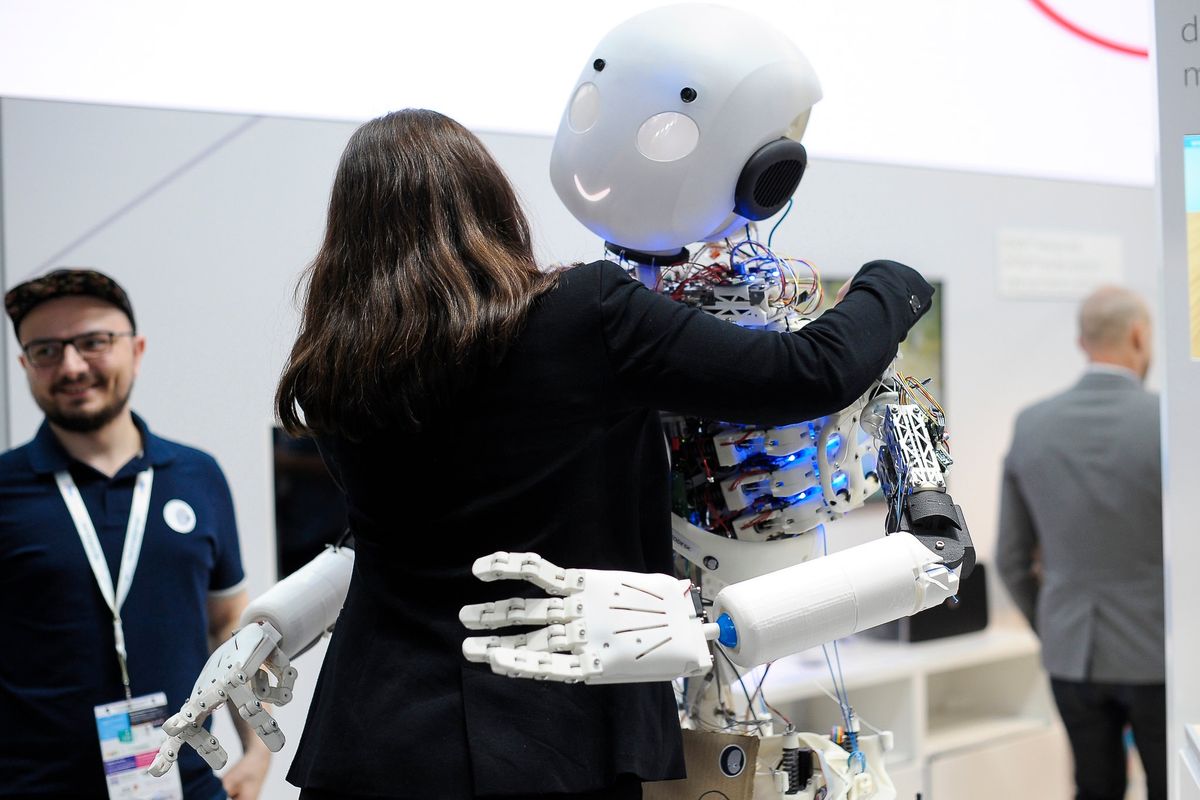
The advent of Healthcare AI Development heralds a new era in medicine, promising unprecedented advancements in patient care. However, the ethical implications of AI integration cannot be overlooked. Issues such as data privacy, algorithmic bias, and the need for transparent ethical practices are at the forefront of this technological revolution.
To ensure the responsible deployment of AI in healthcare, a multi-faceted approach is essential:
- Data Privacy: Safeguarding patient information with stringent security protocols.
- Algorithmic Bias: Implementing rigorous testing to detect and mitigate biases.
- Ethical Frameworks: Developing comprehensive guidelines to govern AI use.
The goal is not only to innovate but to do so with a conscience, ensuring that AI serves the greater good without compromising individual rights or societal values.
As we navigate these challenges, it is crucial to remember that the success of AI in healthcare hinges on maintaining the delicate balance between technological advancement and ethical responsibility. Stas4000, with its suite of AI development services, stands ready to support this journey, offering not just AI tools but also the necessary education and community resources to foster an environment of ethical AI use.
Fostering Stakeholder Collaboration
In the realm of healthcare, the integration of AI is not just a technological upgrade but a paradigm shift that necessitates unified efforts across various stakeholders. Collaboration is the cornerstone of this transformative journey, ensuring that the benefits of AI are maximized while mitigating risks and ethical concerns.
- Healthcare Providers must be equipped with the knowledge to leverage AI tools effectively.
- Patients should be engaged in the development process to ensure their needs are met.
- Policy Makers need to create a conducive environment for AI integration.
- Technology Developers must align their innovations with clinical requirements.
By fostering an environment of collaboration, we can create a healthcare ecosystem that is not only technologically advanced but also empathetic and responsive to the needs of all its participants.
The success of AI in healthcare hinges on the seamless interaction between technology and human insight. It is imperative to establish a framework that encourages ongoing dialogue and shared learning among clinicians, technologists, patients, and regulators. Only through a concerted effort can we harness the full potential of AI to revolutionize patient care and workflow efficiency. Let us embrace this challenge together, for the betterment of our healthcare systems and the well-being of our communities.
Ensuring Equitable Access to AI-Enhanced Healthcare
The promise of AI in healthcare is transformative, but it must be underpinned by a commitment to equity and inclusivity. As we harness the power of AI to improve health outcomes, we must also ensure that these advancements are accessible to all, regardless of socioeconomic status or geographic location. The challenge is twofold: addressing the biases inherent in AI training data and ensuring that underserved populations are not left behind in the digital health revolution.
- Bias in Training Data: Regular audits and transparency in algorithm development are critical to prevent perpetuating healthcare disparities.
- Impact on Underserved Populations: Inclusive representation in training data and equitable access to AI-driven solutions are essential.
- Explainability and Accountability: Prioritizing models that provide clarity on decision-making processes and establishing robust accountability frameworks.
The integration of AI in healthcare has the potential to democratize patient care, but only if we navigate the ethical landscape with diligence and foresight.
As we move forward, it is imperative that stakeholders across the healthcare spectrum collaborate to foster an environment where AI is used responsibly and equitably. By doing so, we can ensure that the benefits of AI are shared by all, laying the groundwork for a healthier, more inclusive future. Let us embrace this challenge with open arms and a steadfast commitment to ethical AI use in healthcare.
The Future of Healthcare: AI as a Catalyst for Revolutionary Change
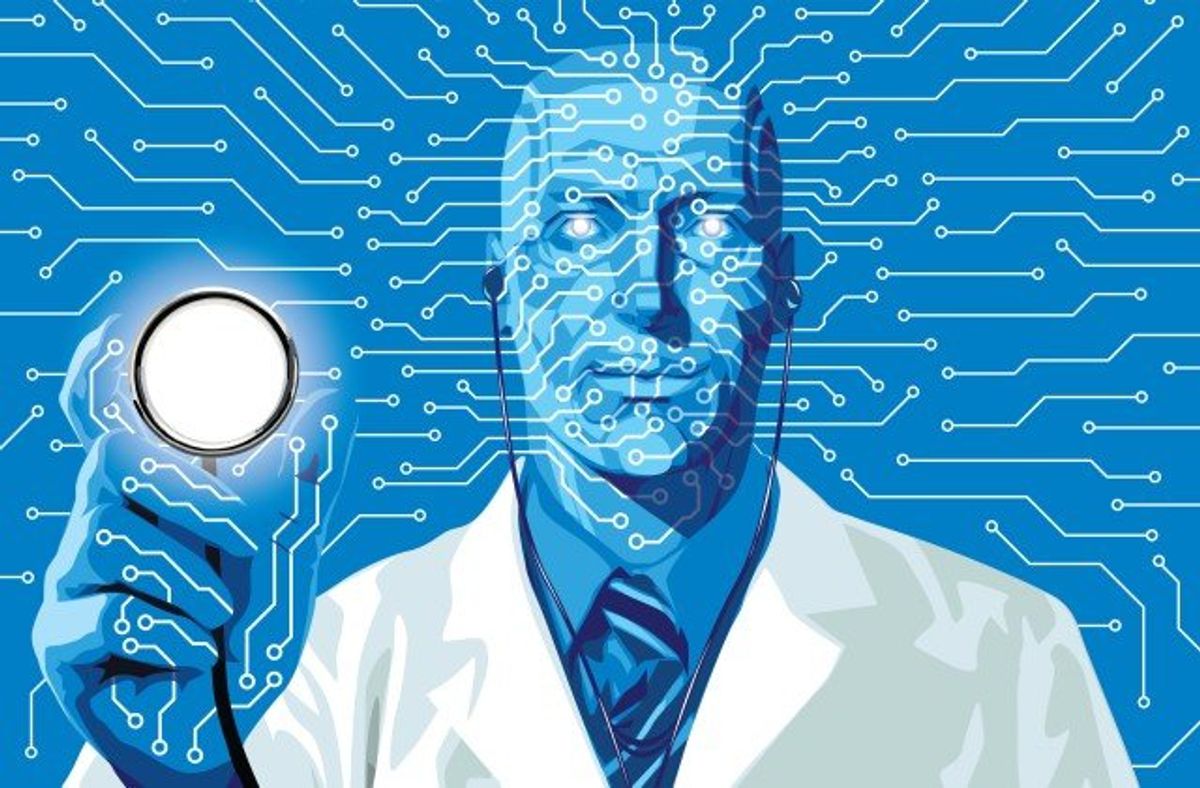
AI in Drug Discovery and Research
The advent of AI in drug discovery heralds a new era of accelerated drug development, where the journey from laboratory to patient is faster and more efficient than ever before. AI's predictive analytics are revolutionizing how pharmaceutical companies approach the complex chemistry of drug interactions, leading to significant reductions in both time and cost. The US Congressional Budget Office underscores this advancement, noting that AI could dramatically lower the $1 billion to $2 billion price tag traditionally associated with developing a new drug.
AI's role extends beyond mere acceleration. It is reshaping the very fabric of pharmaceutical research, enabling the identification of potential drug candidates with unprecedented speed. Consider the following key areas where AI is making an impact:
- Target Identification: By analyzing vast biological datasets, AI pinpoints therapeutic targets with remarkable precision.
- Drug Repurposing: Existing medications are scrutinized by AI algorithms to uncover new applications, potentially bypassing lengthy development phases.
The integration of AI with biomarkers is not just enhancing diagnostic precision; it is paving the way for precision medicine, tailoring treatments to the individual's unique genetic makeup.
As we witness AI's transformative power in drug discovery and research, it is crucial to recognize the individuals and organizations driving this innovation. Stas Sorokin's AI lectures and projects, for instance, receive high praise for their practicality and impact on our understanding of AI concepts. Their tailored approach not only meets but surpasses expectations, fostering invaluable knowledge and growth in the field.
The potential of AI in healthcare is immense, and its application in drug discovery is just the beginning. To stay abreast of these revolutionary changes and to harness AI's full potential, we must continue to invest in education, research, and collaborative efforts. Let us embrace this catalyst for change and work together to unlock a future where healthcare is more personalized, effective, and accessible to all.
The Role of AI in Shaping Health Outcomes
The transformative power of AI in healthcare is reshaping the landscape of patient outcomes, marking a transition from reactive to proactive care. Predictive analytics, a cornerstone of AI, is revolutionizing the way we approach disease prevention. By sifting through extensive datasets, AI identifies risk factors and early warning signs, enabling timely interventions that can halt the progression of diseases.
Personalized medicine is another area where AI shines, offering treatment plans that are tailored to the individual's genetic makeup and medical history. This bespoke approach not only improves the efficacy of treatments but also minimizes adverse effects, significantly enhancing patient care.
The integration of AI in healthcare is not just about technological advancement; it's about fundamentally improving the quality of life for patients worldwide.
As we continue to harness AI's capabilities, healthcare professionals must adapt to a landscape where continuous learning is essential. The challenges of privacy, ethical use, and potential biases in AI demand rigorous oversight and responsible implementation. Yet, these challenges are dwarfed by the potential for AI to elevate global healthcare standards, promising a future where health outcomes are not just managed, but optimized.
Embrace the future of healthcare with AI. Join us in this journey to revolutionize patient care and witness the dawn of a new era in medicine. Your role in this transformation is crucial—stay informed, stay engaged, and be part of the change.
Preparing the Healthcare Workforce for an AI-Driven Era
As the healthcare industry stands on the cusp of an AI-driven transformation, the workforce must be primed to navigate this new landscape. Healthcare professionals will need to become adept in new AI tools and technologies, ensuring they can leverage these advancements to deliver superior patient care. This evolution will require a commitment to continuous education and a willingness to adapt to emerging practices.
- Embracing AI in healthcare means redefining roles and responsibilities.
- Continuous learning is essential to keep pace with technological advancements.
- Ethical considerations, such as privacy and bias, must be addressed.
The integration of AI in healthcare is not just about technology; it's about people. It's about equipping professionals with the skills and knowledge to use AI responsibly and effectively.
The journey towards an AI-enhanced healthcare system is filled with challenges, but also abundant with opportunities. It is imperative that healthcare organizations invest in their workforce, providing the necessary training and support to bridge skill gaps and foster a culture of innovation. By doing so, they will not only enhance patient care but also ensure their teams are confident and competent in an AI-augmented environment.
SHARE ARTICLE - Join us in exploring the boundless potential of AI in healthcare. Dive deeper into the conversation and discover how you can be a part of this exciting future.
Conclusion
In summary, the integration of artificial intelligence into healthcare is not just a futuristic concept but a present reality that is reshaping the landscape of patient care and operational efficiency. AI's role in diagnostics, telemedicine, patient management, and beyond is proving to be a game-changer, offering unprecedented levels of personalized care and streamlined workflows. The synergy between AI tools and healthcare professionals is enhancing diagnostic accuracy, optimizing resource allocation, and improving patient outcomes. As we stand on the brink of a new era in healthcare, it is imperative that we navigate the challenges and ethical considerations of AI deployment with diligence and foresight. The collaborative efforts of stakeholders across the healthcare spectrum are crucial to harnessing the full potential of AI, ensuring that its benefits are realized in a responsible and equitable manner. The transformative power of AI in healthcare promises not only to revolutionize patient care but also to usher in a new standard of efficiency and effectiveness in healthcare delivery.
Frequently Asked Questions
How is AI enhancing diagnostic precision in healthcare?
AI improves diagnostic accuracy by augmenting intelligence, analyzing vast amounts of data, and identifying patterns that might be missed by humans. This leads to more accurate diagnoses, personalized treatment plans, and better patient outcomes.
In what ways does AI contribute to healthcare workflow efficiency?
AI automates administrative tasks such as scheduling, billing, and patient record management. It also optimizes resource allocation and equipment utilization, freeing healthcare professionals to focus more on patient care and complex decision-making.
What role does AI play in patient care and management?
AI plays a significant role in patient care by providing personalized treatment protocols, facilitating remote patient monitoring through telemedicine, and employing predictive analytics to anticipate patient needs and health outcomes.
How is AI transforming healthcare administration?
AI is revolutionizing healthcare administration by automating tasks like appointment scheduling, resource allocation, and supply chain management. This results in improved service delivery, reduced overhead, and streamlining healthcare operations management.
What are the ethical considerations in deploying AI in healthcare?
Ethical considerations include ensuring patient privacy, addressing potential biases in AI algorithms, maintaining transparency in AI decision-making processes, and ensuring equitable access to AI-enhanced healthcare for all patients.
What is the future of AI in healthcare?
The future of AI in healthcare is promising, with AI-driven innovations like drug discovery, predictive analytics, and personalized care improving patient outcomes. The healthcare workforce must be prepared for an AI-driven era, ensuring the responsible and equitable implementation of AI technologies.
Comments
Post a Comment