Harnessing AI for Enhanced Patient Care: Innovations in Diagnostics, Telemedicine, and Patient Management
The integration of Artificial Intelligence (AI) into the healthcare sector marks a transformative era for patient care. As we delve into the myriad of ways AI is enhancing diagnostics, telemedicine, and patient management, it becomes clear that the potential of technology to reshape healthcare is immense. From improving diagnostic accuracy to optimizing patient management strategies, AI is not only facilitating more precise and efficient healthcare delivery but also breaking down geographic barriers and fostering the development of smart hospitals. This article explores the innovations at the forefront of this technological revolution, showcasing how AI is being harnessed to provide enhanced patient care.
Key Takeaways
- AI-driven diagnostic tools and machine learning algorithms are revolutionizing healthcare by improving diagnostic accuracy, predicting patient outcomes, and enabling the creation of personalized treatment plans.
- Telemedicine powered by AI is expanding access to healthcare, breaking down geographic barriers, and providing timely interventions, significantly reducing healthcare disparities.
- AI enhances patient management through efficient workflow optimization, continuous learning for dynamic care, and the integration of AI in hospital workflows for better coordination and continuity of care.
- In emergency healthcare response, AI technologies improve response times, patient outcomes, and efficiency, showcasing the critical role of tech-driven solutions in urgent care scenarios.
- Smart hospitals are leveraging AI and IoT to provide enhanced patient experiences through remote monitoring, real-time data analysis, and AI-driven diagnostics and robotic-assisted surgeries.
Innovations in Diagnostic Accuracy and Efficiency
Precision in Diagnostics Through AI
The advent of AI-Powered Medical Diagnostics has marked a transformative era in healthcare, where precision and efficiency are not just ideals but tangible realities. AI for Medical Imaging is revolutionizing the way we approach disease detection and diagnosis. With the ability to analyze vast datasets rapidly and with superior accuracy, AI algorithms are empowering healthcare professionals to diagnose diseases at earlier stages.
AI-driven diagnostic solutions are not only supporting radiologists and pathologists in interpreting complex medical data but are also enabling the prioritization of critical cases. This leads to earlier detection, more precise diagnoses, and ultimately, improved patient outcomes.
The impact of AI in diagnostics is quantifiable, as seen in the following areas:
- Enhanced detection of abnormalities, lesions, and disease markers
- Reduction in diagnostic errors, leading to more accurate treatment plans
- Streamlined workflows in medical imaging and pathology
By embracing AI-powered tools and algorithms, the medical community is witnessing a significant shift in diagnostic testing. Machine learning algorithms, in particular, are adept at analyzing medical images such as X-rays, MRI scans, and histopathology slides, identifying nuances that may escape the human eye. This level of sensitivity and specificity is crucial for early and accurate disease management.
We invite you to continue exploring how AI is shaping the future of patient care. Join us in this journey towards a smarter, more efficient healthcare system that promises better outcomes for all.
Enhanced Accuracy with Augmented Intelligence
The fusion of human expertise and artificial intelligence, known as augmented intelligence, is revolutionizing the realm of patient care. Healthcare professionals, equipped with AI-driven analytics, are achieving unprecedented diagnostic accuracy. This synergy not only enhances the precision of clinical decisions but also fosters a more efficient workflow, allowing clinicians to dedicate more time to direct patient care.
Augmented intelligence is not about replacing human judgment but about enriching it. It leverages the vast capabilities of AI to process and analyze large datasets, providing clinicians with evidence-based insights that support and refine their decision-making processes.
The benefits of this collaboration are manifold:
- Enhanced Accuracy: By reducing diagnostic errors, augmented intelligence directly contributes to improved patient outcomes.
- Efficient Workflow: AI takes on data-intensive tasks, freeing up healthcare professionals to focus on complex decisions and patient care.
- Continuous Learning: AI systems evolve by learning from real-world healthcare scenarios, constantly improving their recommendations.
As we continue to harness the power of AI in healthcare, we invite you to join us in this journey towards a smarter, more responsive medical system. Embrace the change, and be part of the transformation that is setting new standards in patient care.
Efficient Workflow Optimization in Healthcare Settings
In the realm of healthcare, efficiency is paramount. The integration of AI into healthcare settings is revolutionizing the way organizations optimize workflows and resource utilization, leading to increased efficiency. By automating routine tasks and streamlining administrative processes, healthcare providers can focus more on patient care and less on paperwork.
The digital transformation in healthcare is not just about technology; it's about reshaping the way we approach patient care.
For instance, Electronic Health Records (EHR) systems are facilitating seamless information exchange among healthcare professionals, which reduces the risk of errors and enhances coordination of care. From scheduling to the management of medical supplies, AI is enabling more efficient healthcare services, improving patient experience, and reducing operational costs.
- Data-driven insights
- Patient engagement
- Streamlined Workflows
- Cost Savings and Operational Efficiency
By harnessing the power of data analytics, healthcare providers can identify opportunities for cost reduction and improve patient outcomes through personalized care and targeted interventions. The Bles Software website offers insights on leveraging AI for scalable growth, business expansion, SaaS innovation, and software development efficiency. Subscribe for AI, technology, and software solutions to stay ahead in the rapidly evolving healthcare landscape.
Telemedicine: Expanding Access and Improving Care
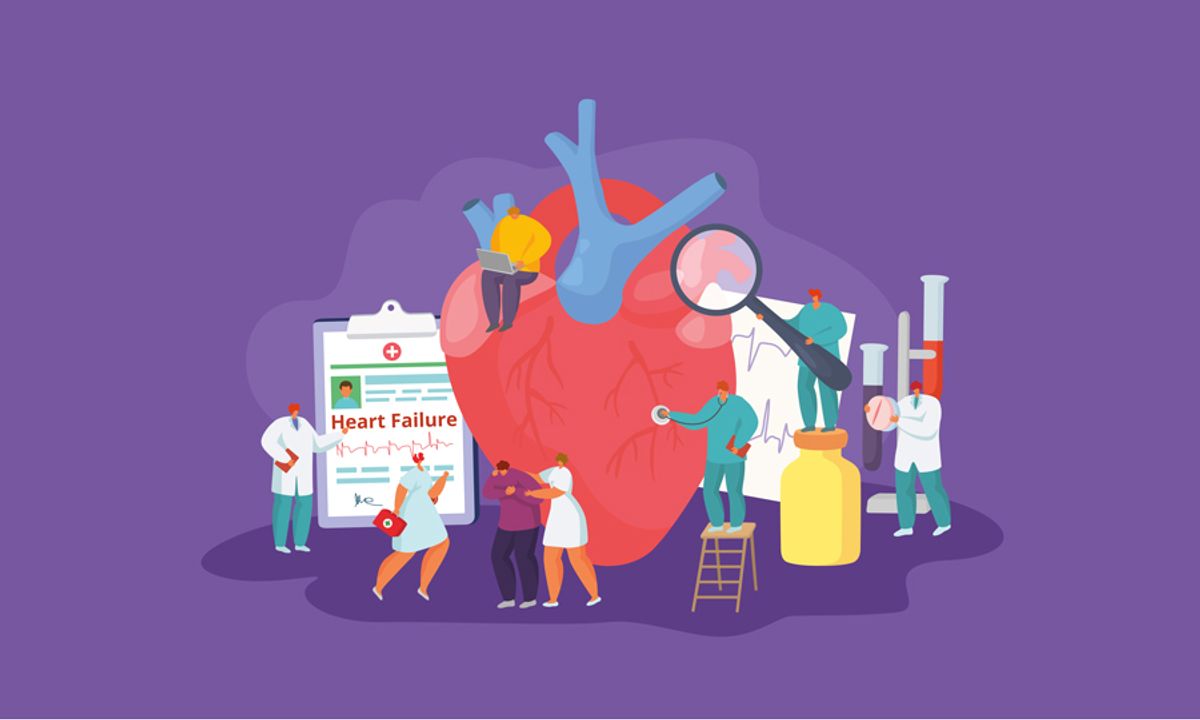
Breaking Down Geographic Barriers via Telehealth
The advent of telemedicine has been nothing short of revolutionary, transforming patient care by transcending physical distances. By leveraging digital technologies, telemedicine platforms facilitate remote consultations, ensuring that quality healthcare reaches even the most remote corners of the globe. This democratization of access is particularly vital for underserved or rural communities, where medical facilities may be sparse.
- Telemedicine enables real-time assessments and treatments, bridging the gap between patients and healthcare providers.
- Secure messaging and video conferencing allow for timely medical advice and specialist consultations.
- Virtual visits offer the convenience of receiving follow-up care from home, minimizing the need for travel.
The integration of telemedicine into healthcare systems is a testament to the power of innovation in overcoming traditional limitations. It exemplifies how technology can be harnessed to not only improve access but also to enhance the quality of patient care.
As we continue to witness the expansion of telemedicine, it is crucial to recognize the role of experts like Stas Sorokin, whose deep technical expertise and tailored solutions contribute significantly to the field. The practicality and relevance of such contributions cannot be overstated, as they lay the groundwork for a more inclusive healthcare system. Embrace the change; let us all advocate for and support the continued growth of telemedicine, ensuring that no patient is left behind due to geographic constraints.
AI-Driven Telemedicine for Timely Interventions
The advent of AI Telemedicine Advancements has revolutionized the way healthcare providers approach patient care, particularly in the realm of telemedicine. With the integration of AI, telemedicine has transcended traditional boundaries, offering timely interventions that were once hindered by distance and resource limitations.
AI-driven telemedicine not only expands the reach of healthcare services but also ensures that interventions are timely and targeted, addressing the needs of patients with precision and efficiency.
The following points highlight the transformative impact of AI on telemedicine:
- Increased Reach: Extending services to remote and underserved populations.
- Timely Interventions: Utilizing predictive analytics for proactive healthcare delivery.
- Reduced Healthcare Disparities: Ensuring equitable access across diverse demographics.
AI Telemedicine Advancements are not just a futuristic concept but a present reality, actively shaping the landscape of healthcare. As we continue to witness the growth of smart healthcare solutions, it is imperative for both patients and providers to stay informed and engaged with these technologies. Embrace the change, and be a part of the healthcare revolution.
Reducing Healthcare Disparities Through Virtual Care
The advent of AI-driven telemedicine is a beacon of hope for reducing healthcare disparities. Virtual health assistants and telemedicine platforms are pivotal in extending healthcare services to remote and underserved populations. By leveraging predictive analytics, healthcare systems can identify service gaps and allocate resources for timely interventions, ensuring equitable access to all.
The integration of AI into virtual care is not just a technological advancement; it's a step towards a more inclusive healthcare ecosystem.
Here's how AI is making a difference:
- Increased Reach: Extending services to areas previously inaccessible.
- Timely Interventions: Using predictive analytics for proactive healthcare delivery.
- Equity in Access: Ensuring all demographics receive quality care.
As we continue to witness the transformative impact of AI on healthcare, it's crucial to engage with these technologies. Embrace the change, and be part of the movement towards a fairer and more accessible healthcare system. Your voice and actions can drive this change forward.
AI-Enhanced Patient Management Strategies
Personalized Treatment Plans with Machine Learning
The advent of Personalized Medicine AI Technology marks a revolutionary shift in healthcare, where treatments are no longer a one-size-fits-all solution. AI in Clinical Decision Support systems are at the forefront of this transformation, meticulously analyzing clinical and molecular data to sculpt treatment plans that are as unique as the individuals receiving them.
The benefits of such personalized approaches are manifold:
- Precision in treatment: Tailoring therapy to the patient's genetic makeup, reducing adverse reactions.
- Increased efficacy: Optimizing drug selection and dosages for the individual, enhancing treatment outcomes.
- Improved adherence: Patients are more likely to follow through with a plan that's specifically designed for them.
By harnessing the power of AI, healthcare providers can deliver care that is not just reactive, but predictive and preventive, ensuring that each patient receives the most effective treatment possible.
In the realm of oncology, for instance, AI-driven genetic analysis is a game-changer, enabling the development of personalized cancer therapies that have shown to significantly improve patient outcomes. This is not just a promise for the future—it's happening now, and it's reshaping the landscape of patient care. Embrace the change and witness the rise of a new era in medicine, where AI empowers healthcare professionals to make more informed, precise, and impactful decisions.
Continuous Learning for Dynamic Patient Care
The advent of AI in Patient Care Technology has revolutionized the way healthcare providers approach patient management. Continuous learning algorithms are now pivotal in adapting to the ever-changing needs of patients, ensuring that care is not only reactive but also predictive and preventive.
One of the most significant applications of this technology is in the realm of chronic disease management. AI-driven systems can analyze vast amounts of patient data in real-time, identifying patterns that may indicate a need for intervention before a patient's condition worsens. This proactive approach can lead to improved outcomes and a higher quality of life.
The integration of AI in patient care allows for a dynamic and responsive healthcare environment, where decisions are informed by a continuous influx of patient data and insights.
The benefits of continuous learning in patient care are manifold:
- Early detection of potential health crises
- Personalized treatment adjustments based on patient response
- Reduced hospital readmissions through proactive monitoring
By embracing AI-driven patient engagement, healthcare providers can ensure that their patients receive the most informed and timely care possible. As we continue to witness the transformative impact of AI on healthcare, it is imperative for professionals to stay abreast of these advancements. The future of patient care is here, and it is being shaped by the intelligent use of technology.
Optimizing Hospital Workflows with AI Integration
The integration of AI in Healthcare Innovation is revolutionizing the way hospitals operate, leading to unprecedented levels of Healthcare AI Development. By leveraging AI Healthcare Solutions Providers, medical institutions are now able to streamline processes like AI Medical Records Management, which not only enhances the efficiency of healthcare delivery but also significantly improves patient care.
AI for Healthcare Efficiency is not just a buzzword; it's a transformative force reshaping the very fabric of healthcare management systems. Predictive Analytics in Healthcare AI, for instance, allows for the anticipation of patient needs and the allocation of resources more effectively, ensuring that the right care is delivered at the right time.
- Efficient Information Retrieval: Quick access to patient data.
- Interdisciplinary Collaboration: Teamwork across healthcare and data science.
- Improved Patient Outcomes: Enhanced diagnostic accuracy and personalized care.
AI-Enabled Healthcare Devices and AI in Healthcare Management Systems are not mere additions to the healthcare landscape; they are essential components that drive better outcomes and more efficient care delivery.
The table below illustrates the impact of AI integration on hospital workflows:
| Aspect | Before AI Integration | After AI Integration |
|---|---|---|
| Data Retrieval Time | High | Reduced |
| Error Rate in Diagnostics | Higher | Lower |
| Patient Wait Times | Longer | Shorter |
| Resource Allocation | Static | Dynamic |
As we continue to explore the potential of AI in transforming healthcare, it is crucial for providers to partner with leading AI Healthcare Solutions Providers to ensure the successful implementation of these technologies. The goal is clear: to achieve a level of AI in Healthcare Innovation that not only meets but exceeds the expectations of both healthcare professionals and patients. Embrace the future of healthcare by engaging with the forefront of AI development and witness the tangible benefits it brings to patient management and care.
The Role of AI in Emergency Healthcare Response
Enhancing Response Times with AI Technologies
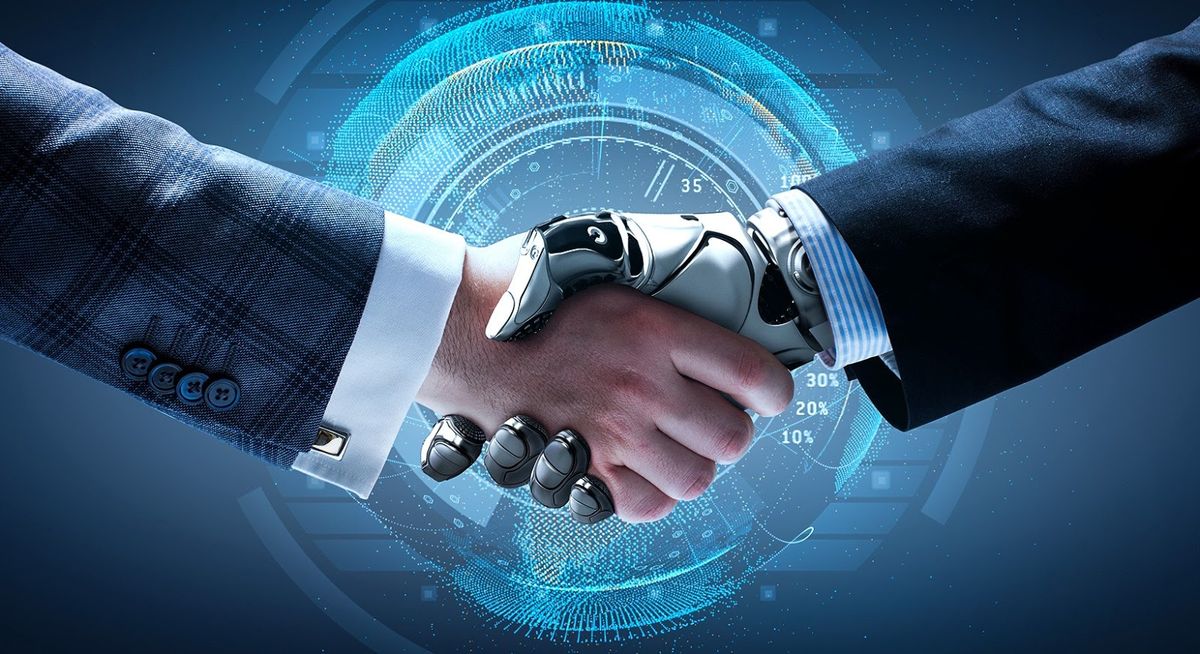
In the high-stakes realm of emergency healthcare, every second counts. Artificial intelligence is pivotal in accelerating response times, ensuring that critical care is delivered swiftly and effectively. AI-driven diagnostic tools are not just about speed; they embody the transformative power of AI in healthcare, enhancing efficiency and operational excellence.
AI applications in emergency settings include:
- Clinical Decision Support Systems that provide real-time, data-driven support to healthcare professionals.
- Integration with Electronic Health Records (EHRs) to improve the accessibility and usability of patient data.
- Predictive analytics that assist in identifying life-threatening conditions like stroke or sepsis, enabling quicker intervention.
The integration of AI with biomarkers and real-time data processing exemplifies the synergy between technology and healthcare, leading to more targeted and effective treatment strategies.
AI-driven success stories in emergency healthcare not only showcase the potential for improved patient outcomes but also highlight the importance of embracing AI for a future where timely interventions can mean the difference between life and death. As we continue to witness advancements in AI, it is imperative for healthcare systems to adopt these technologies to stay at the forefront of emergency care.
Improving Patient Outcomes in Emergency Situations
In the realm of emergency healthcare, the integration of Artificial Intelligence (AI) is a game-changer, transforming the speed and precision of medical response. AI systems are now pivotal in analyzing real-time data, enabling healthcare professionals to make quicker, more informed decisions. This rapid analysis can be the deciding factor in life-threatening scenarios, where every moment is critical.
The early transmission of critical patient information to emergency teams ensures that life-saving measures can be initiated without delay, significantly enhancing the likelihood of positive patient outcomes.
AI's role extends beyond data analysis; it also facilitates real-time communication between paramedics and emergency physicians. This collaboration allows for expert guidance during the most crucial moments, from the site of an incident to the hospital. Such advancements in emergency care not only save lives but also pave the way for continuous improvement in patient management strategies.
As we look to the future, the promise of AI in emergency healthcare is undeniable. It stands as a beacon of hope for not just survival, but for the improved quality of life for patients across the globe. Let us embrace these technological strides and continue to innovate for a healthier tomorrow.
Increasing Efficiency in Emergency Healthcare Delivery
In the realm of emergency healthcare, the integration of AI technologies is not just innovative; it's transformative. The ability to deliver prompt and effective care is exponentially enhanced by AI, leading to a paradigm shift in how we respond to urgent medical needs. AI-driven systems are now pivotal in analyzing complex data at unprecedented speeds, ensuring that life-saving decisions are both rapid and informed.
The synergy between AI and healthcare professionals is crafting a future where emergency response is more accurate, swift, and reliable than ever before.
AI's role in emergency healthcare is multifaceted, encompassing everything from predictive analytics to automated patient monitoring. Here's how AI is making a difference:
- Predictive Analytics: By analyzing patterns in historical data, AI can predict patient influx and help in resource allocation.
- Automated Triage: AI algorithms can assist in prioritizing patient care based on severity, streamlining the triage process.
- Virtual Assistance: Remote consultations and virtual triage reduce unnecessary strain on emergency departments.
As we look to the future, the continued advancement of AI promises even more groundbreaking enhancements in emergency healthcare delivery. The potential for saving lives and improving patient outcomes is immense, and the healthcare community is just beginning to tap into this potential. Let us embrace these technological strides and continue to innovate for a healthier tomorrow. Remember, your support and engagement are crucial in this journey—join us in this transformative era of healthcare.
Fostering Smart Hospitals with AI and IoT
Remote Patient Monitoring and Real-time Data Analysis
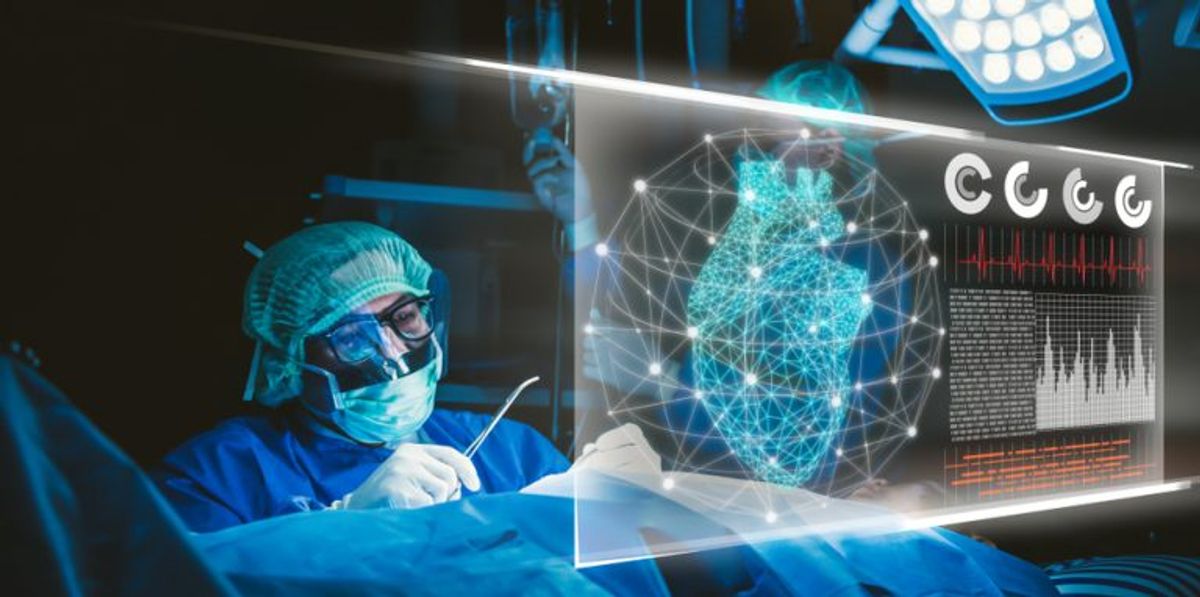
In the realm of AI Healthcare Data Analysis, remote patient monitoring (RPM) stands as a cornerstone, transforming the way we approach patient care. By leveraging connected devices and AI algorithms, RPM provides a continuous stream of patient data, allowing for proactive and personalized healthcare interventions.
- Continuous tracking of health metrics and vital signs
- Real-time alerts for health deterioration
- Improved medication adherence and treatment compliance
This data-driven approach not only enhances care coordination but also empowers healthcare providers to make informed decisions swiftly, ensuring timely interventions that can be life-saving. Moreover, RPM paves the way for a more efficient healthcare system by reducing unnecessary hospital visits and readmissions.
The integration of RPM with AI analysis is revolutionizing patient care, offering a level of precision and foresight previously unattainable.
As we continue to harness the power of AI in healthcare, it is imperative to recognize the potential of RPM in improving patient outcomes. The table below illustrates the impact of RPM on patient care:
| Metric | Pre-RPM | Post-RPM Implementation |
|---|---|---|
| Hospital Readmissions | High | Reduced |
| Patient Satisfaction | Moderate | Increased |
| Healthcare Costs | Elevated | Decreased |
Embrace the future of healthcare by exploring the possibilities of AI-driven RPM. It's time to take the next step in patient care innovation. Are you ready to be part of this transformative journey?
AI-Driven Diagnostics and Robotic-Assisted Surgeries
The advent of AI-driven diagnostic tools has marked a new era in medical precision and efficiency. These tools, powered by machine learning algorithms, are transforming the landscape of medical imaging and pathology. By analyzing medical images such as X-rays and MRI scans, AI algorithms can detect abnormalities and disease markers with unprecedented sensitivity and specificity, supporting clinicians in making more accurate diagnoses.
Robot-assisted surgeries, another frontier of innovation, are redefining the standards of surgical care. Surgeons, aided by robotic systems, can perform complex procedures with enhanced precision and control. The benefits are manifold:
- Increased surgical precision
- Reduced invasiveness
- Shorter patient recovery times
- Improved overall patient outcomes
The synergy between AI diagnostics and robotic technologies is not just a leap forward in medical capabilities; it is a stride towards a future where patient care is more personalized, outcomes are better predicted, and treatments are more effectively administered.
As we continue to witness these advancements, it is crucial to recognize the potential of AI and robotics in shaping a new paradigm in healthcare. The integration of these technologies into clinical practice is not merely an option but a necessity to meet the growing demands of modern medicine. Embrace the change, and be part of the journey towards smarter, more efficient healthcare delivery.
Leveraging IoT for Enhanced Patient Experience
The integration of the Internet of Things (IoT) in healthcare has ushered in a new era of enhanced patient experience. IoT-enabled devices are the linchpins of smart hospitals, collecting real-time data and monitoring patient health with unprecedented precision. These devices range from wearable technology that tracks vital signs to smart beds that adapt to patient movements, ensuring that healthcare professionals have prompt access to comprehensive patient information.
In the realm of patient engagement, AI-driven analytics revolutionize decision-making, providing a foundation for more personalized and proactive care. Smart hospitals are not just about technology; they are about redefining the patient journey. By optimizing resource utilization, these institutions can forecast patient admissions and adjust staffing levels, preventing bottlenecks and ensuring that medical equipment is used efficiently and maintained proactively.
The synergy between IoT and AI in healthcare is transforming the landscape, making it more responsive, patient-centric, and efficient.
To truly harness the potential of IoT for enhancing patient experience, it is crucial to address the challenges of ethical AI use and data privacy. As we continue to innovate, let us also ensure that we are building a healthcare system that is not only smart but also secure and respectful of patient rights. Join us in this journey towards a smarter, more connected healthcare system.
Conclusion
The integration of Artificial Intelligence (AI) into healthcare is a transformative force, heralding a new era of precision, efficiency, and accessibility in patient care. This article has explored the multifaceted applications of AI, from enhancing diagnostics and treatment plans to revolutionizing telemedicine and patient management. AI's ability to analyze vast datasets with remarkable speed and accuracy enables earlier disease detection and more precise interventions. Telemedicine, empowered by AI, extends the reach of healthcare services, overcoming geographical barriers and fostering equitable access. Moreover, AI-driven innovations in patient management optimize healthcare workflows, reduce errors, and improve the coordination of care. As healthcare providers and institutions continue to embrace these technologies, we witness a paradigm shift towards more personalized, proactive, and patient-centric care models. The promise of AI in healthcare is not just in its technological prowess but in its potential to significantly improve patient outcomes and bridge the gap in healthcare disparities. The ongoing collaboration between AI developers, healthcare professionals, and policymakers will be crucial in ensuring that these advancements are implemented ethically and effectively, ultimately benefiting society at large.
Frequently Asked Questions
How is AI improving diagnostic accuracy in healthcare?
AI algorithms analyze vast amounts of patient data to assist healthcare providers in diagnosing diseases with greater precision. AI-driven diagnostic tools can detect anomalies in medical imaging scans, leading to earlier and more accurate detection of diseases.
What role does AI play in telemedicine and patient access?
AI-driven telemedicine facilitates remote patient monitoring and consultations, enabling healthcare delivery in remote regions and breaking down geographical barriers. It extends healthcare services to underserved populations, increasing overall accessibility.
In what ways does AI contribute to patient management and hospital workflows?
AI optimizes hospital workflows by automating routine tasks, scheduling patients, and managing medical supplies. It aids in creating personalized treatment plans and enhances the coordination and continuity of care, improving overall efficiency.
How are smart hospitals using AI to enhance patient care?
Smart hospitals leverage IoT devices and AI for remote monitoring of patients' vital signs, AI-driven diagnostics, and telemedicine consultations. These technologies enable timely interventions and treatments, improving patient outcomes.
Can AI improve emergency healthcare response and outcomes?
The integration of AI in emergency healthcare enhances response times, improves patient outcomes, and increases the efficiency of healthcare delivery. AI-driven tools aid in rapid diagnosis and treatment, crucial in emergency situations.
What are some innovative medical technologies driven by AI?
AI is at the forefront of developing innovative medical technologies such as robotic-assisted surgeries, virtual health assistants, and predictive analytics for healthcare service gaps, which contribute to improved patient care and outcomes.
Comments
Post a Comment