Harnessing AI for Enhanced Healthcare: Innovating Patient Care and Streamlining Operations
The integration of Artificial Intelligence (AI) into healthcare is revolutionizing the industry by enhancing patient care, streamlining operations, and fostering healthcare accessibility and equity. From AI-driven diagnostics to intelligent automation in administrative tasks, this technology is not only improving clinical decision-making but also transforming the entire healthcare ecosystem. As AI continues to evolve, it is poised to redefine healthcare delivery, making it more efficient, personalized, and patient-centric.
Key Takeaways
- AI is significantly advancing patient care through improved diagnostics, personalized treatments, and predictive analytics, leading to better patient outcomes.
- Operational efficiencies are gained in healthcare through AI by optimizing workflows, enhancing billing and claims processing, and improving patient data management.
- AI is instrumental in making healthcare more accessible and equitable, bridging global health gaps and expanding the reach of telemedicine.
- The development of new drugs and management of diseases, including chronic conditions and epidemics, are being revolutionized by AI's predictive capabilities and real-time analytics.
- Strategic integration of AI in healthcare is shaping the future of the industry, driving innovation, precision medicine, and long-term improvements in healthcare delivery.
The Transformative Impact of AI on Patient Care

Advancements in AI-Driven Diagnostics
The advent of AI-Powered Medical Diagnostics is a game-changer in the realm of healthcare, offering unprecedented precision and speed in identifying diseases. With AI's advanced computational abilities, early disease detection, particularly in oncology, has seen remarkable improvements. For instance, AI's analysis of mammograms boasts a staggering 99% accuracy rate, significantly diminishing the need for unnecessary biopsies and alleviating patient stress.
AI in Patient Care Technology is not just about early detection; it extends to comprehensive diagnostic support. AI's capacity to analyze vast amounts of data, including electronic patient records and diagnostic images, empowers healthcare professionals to navigate the deluge of information more effectively. This leads to more accurate diagnoses and personalized treatment plans, which are the cornerstone of modern patient care.
AI in Clinical Decision Support is transforming the landscape of healthcare delivery. By integrating AI into diagnostic processes, we're witnessing a reduction in treatment costs and a marked improvement in health outcomes. The potential of AI to revolutionize healthcare is immense, with studies showcasing its superiority in identifying conditions such as skin cancer when compared to traditional methods.
As we embrace this technological evolution, it's crucial to recognize the strategic role of AI in enhancing patient care. The integration of AI into healthcare is not just a fleeting trend but a significant stride towards fundamentally reinventing patient care. It's time to harness the full potential of AI to deliver more accurate, efficient, and personalized healthcare solutions.
Personalized Treatment Plans Through Machine Learning
The advent of Personalized Medicine AI Technology is revolutionizing the way we approach healthcare. By harnessing the power of machine learning, medical professionals can now develop treatment plans that are tailored to the individual characteristics of each patient. This bespoke approach not only enhances the efficacy of treatments but also significantly reduces the risk of adverse reactions.
The integration of AI into personalized medicine is a game-changer, offering a level of customization in patient care that was previously unattainable.
AI-driven success stories in healthcare mirror those in business, where the transformative power of AI has led to improvements in data quality and demand forecasting accuracy. In the realm of healthcare, these advancements translate into better patient outcomes and a more efficient healthcare system. The table below illustrates the impact of machine learning on treatment personalization:
| Factor | Impact of Machine Learning |
|---|---|
| Diagnostic Accuracy | Enhanced by data analysis |
| Treatment Efficacy | Improved through tailored plans |
| Patient Satisfaction | Increased with personalized care |
By embracing AI for strategic advantage, healthcare providers can optimize services and elevate the standard of care. As we continue to witness the benefits of AI in creating personalized treatment plans, it is imperative for healthcare stakeholders to invest in and adopt these innovative technologies.
Improving Patient Outcomes with Predictive Analytics
The advent of Predictive Analytics in Healthcare AI is a game-changer, offering a crystal ball into the future of patient health. By harnessing the power of AI to analyze vast amounts of data, healthcare providers can now anticipate patient needs with unprecedented accuracy. This foresight is not just about predicting outcomes; it's about transforming them.
Accurate predictions of individual patient outcomes empower nurses to customize interventions to the specific needs of their patients. This proactive approach is pivotal in elevating the quality of care and patient satisfaction, ultimately enhancing the efficiency of healthcare services.
Predictive Analytics in Healthcare AI is not just a technological advancement; it's a paradigm shift towards a more responsive and patient-centric healthcare system. By identifying high-risk patients early, healthcare providers can implement proactive interventions, leading to better outcomes and optimized resource allocation. Here's how Predictive Analytics is making a difference:
- Early identification of high-risk patients through demographic, medical history, and social determinants of health data analysis.
- Tailored care plans that address the specific needs of patients, focusing on preventive measures.
- Resource optimization by predicting disease outbreaks, patient deterioration, and utilization trends.
The question remains: why did we turn to AI for predicting patient outcomes? The answer lies in the need to navigate the complexities of traditional healthcare methodologies and the vast data generated by modern healthcare systems. As businesses benefit from integrating predictive analytics, AI-driven risk management, and proactive strategies, so too does the healthcare sector in its quest for growth, efficiency, and risk mitigation.
Embrace the transformative power of Predictive Analytics in Healthcare AI. It's time to look ahead and act now to secure a healthier future for all. Join us in this journey towards a smarter, more proactive healthcare system.
AI-Enhanced Healthcare Operations: Towards Administrative Excellence

Optimizing Workflow with Intelligent Automation
In the realm of healthcare, the integration of Gen AI technologies is revolutionizing the efficiency of both clinical and administrative workflows. Advanced AI systems, such as sophisticated chatbots, are now pivotal in providing rapid, natural language responses to inquiries, greatly enhancing decision-making and communication. This seamless interaction is a cornerstone in creating an environment where information is exchanged effortlessly, and collaborative efforts are more intuitive than ever before.
The strategic implementation of Gen AI in areas like utilization and case management is reshaping processes through automation. This not only alleviates the administrative load on healthcare professionals but also elevates the standards of patient care. As a result, healthcare facilities experience a significant reduction in complexities, leading to optimized resource allocation and a more focused approach to patient management.
By personalizing patient care, automating scheduling, and enhancing communication, AI is not just a tool but a transformative force in healthcare. It ensures that resources are utilized effectively, and coordination between various healthcare services is improved, paving the way for a smoother experience for both providers and patients.
The impact of AI on healthcare is profound, addressing some of the most significant drivers of waste and inefficiency. As we continue to harness the power of AI, we are witnessing a paradigm shift in healthcare delivery, one that promises to enhance patient outcomes and streamline operations across the board. To truly realize the potential of AI in healthcare, consider the services of Stas Sorokin, who specializes in AI-powered web app development using GPT-4 technology, including API integration and custom solutions tailored to the healthcare industry.
AI in Billing and Claims Processing: Reducing Inefficiencies
The integration of AI for Healthcare Efficiency is transforming the landscape of healthcare administration. AI-driven data analysis offers operational excellence and competitive advantage, particularly in the realm of billing and claims processing. By automating these traditionally manual and time-consuming tasks, AI enables healthcare providers to redirect their focus towards patient-centric care.
The strategic deployment of AI tools in billing and claims processing not only streamlines these critical operations but also mitigates the risk of human error, ensuring more accurate and timely reimbursements.
Healthcare facilities that have embraced AI report a marked improvement in their operational workflows. Advanced AI systems, such as chatbots and natural language processing tools, facilitate quick and effective communication, leading to enhanced decision-making and a more efficient flow of information. The table below illustrates the impact of AI on key performance indicators in healthcare billing and claims processing:
| Metric | Before AI Implementation | After AI Implementation |
|---|---|---|
| Average Processing Time | 10 days | 2 days |
| Error Rate in Claims | 15% | 2% |
| Patient Satisfaction Score | 75% | 90% |
As we continue to harness the power of AI, it is imperative that we remain vigilant in ensuring these technologies are used ethically and responsibly, with a steadfast commitment to improving patient outcomes and operational efficiency.
Enhancing Patient Data Management through AI
In the realm of healthcare, the surge of data can be as daunting as it is valuable. Healthcare AI Development is revolutionizing the way we handle this deluge, transforming potential obstacles into streamlined resources that empower healthcare providers. AI Medical Records Management systems are now pivotal in automating the synthesis of complex information, ensuring that critical insights are prioritized and clinical decision-making is enhanced.
The integration of AI in Healthcare Management Systems is not just a technological upgrade; it's a paradigm shift towards more personalized, efficient, and effective patient care pathways.
AI-Enabled Healthcare Devices and AI Healthcare Data Analysis are at the forefront of this transformation, offering unprecedented capabilities in managing and interpreting vast datasets. This is particularly crucial in population health management, where the need for scalable solutions to chronic illness management is urgent. AI for Medical Imaging further exemplifies the power of AI, enabling healthcare professionals to detect abnormalities and plan treatments with greater precision and effectiveness.
Here's how AI is making a difference in healthcare data management:
- Automating routine tasks to reduce the burden on healthcare staff
- Enhancing the accuracy of diagnoses and treatment plans
- Improving interoperability among different healthcare systems
- Facilitating real-time analysis of health data for better decision-making
As we continue to witness the transformative impact of AI on healthcare, it is imperative that we embrace these advancements. The call to action is clear: to harness the full potential of AI in reshaping healthcare delivery for the betterment of patient outcomes and operational efficiency. Let us commit to the strategic integration of AI and pave the way for a future where healthcare is more accessible, equitable, and tailored to individual needs.
The Role of AI in Fostering Healthcare Accessibility and Equity

Bridging the Gap in Global Health with AI
The advent of Gen AI is a beacon of hope for global health, illuminating the path to a more equitable healthcare landscape. By parsing extensive datasets, Gen AI is not just a technological marvel; it's a catalyst for change, ensuring that every individual, regardless of their geographic location, has access to quality care.
- Gen AI accelerates drug discovery, crucial for addressing diseases that disproportionately affect low-income countries.
- Predictive analytics powered by Gen AI are instrumental in preempting health crises, allowing for timely interventions.
- Tailored care solutions, made possible through AI, adapt to the diverse needs of global populations, fostering healthcare equity.
Gen AI is set to redefine health care delivery by making patient care pathways more personalized, efficient, and effective.
The integration of Gen AI into healthcare systems worldwide promises a future where the provider-to-patient ratio is no longer a barrier to care. It navigates the complexities of different data formats and standards, ensuring interoperability and a seamless flow of information. As we stand on the brink of this transformative era, we must embrace the potential of Gen AI to not only revolutionize healthcare delivery but also to bridge the gap in global health. Let's join hands to make this vision a reality. Your engagement and support can drive this innovation forward, shaping a world where health equity is not just an ideal, but a tangible outcome.
AI-Powered Telemedicine: Expanding Reach and Reducing Barriers
In the realm of healthcare, AI Telemedicine Advancements are breaking new ground, offering a beacon of hope for those who have previously faced insurmountable barriers to care. The integration of AI into telemedicine is not just a technological leap; it's a lifeline that extends the healing touch of medicine across vast distances, transcending geographical limitations and time constraints.
The promise of AI in telemedicine is to democratize access to healthcare, making it more inclusive and patient-centric. By harnessing the power of AI, telemedicine services are evolving to provide more accurate diagnoses, personalized treatment options, and continuous patient monitoring.
The impact of AI on telemedicine can be encapsulated in a few key points:
- Personalized patient engagement and care continuity
- Streamlined follow-up visits and prescription management
- Enhanced provider-to-patient ratios through efficient care delivery
As we witness the unfolding of this AI revolution, it's crucial to recognize the stages of integration that healthcare systems undergo—adoption, expansion, optimization, and transformation. Each stage is pivotal in ensuring that the benefits of AI telemedicine reach every corner of society, ultimately leading to sustained growth and success in the digital economy.
Ensuring Equitable Health Outcomes with Data-Driven Insights
In the quest for equitable healthcare, data-driven insights stand as a beacon of hope, guiding us towards a future where every patient receives the care they need, irrespective of their background. The strategic use of health data transcends traditional care models, fostering personalized and inclusive strategies that cater to diverse patient groups.
The application of advanced analytics, including Natural Language Processing (NLP), is revolutionizing our understanding of patient experiences. It enables a nuanced approach to healthcare, one that is sensitive to the unique needs of different populations.
Predictive health modeling and personalized engagement are at the forefront of this transformation. By anticipating health trends and tailoring patient interactions, healthcare providers can offer preemptive care and craft experiences that resonate on a personal level, leading to improved adherence and satisfaction. Here's how data insights are reshaping the landscape:
- Predictive Health Modeling: Forecasts health trends, informs preventive measures.
- Personalized Engagement: Creates customized healthcare experiences.
- Achieving Interoperability: Ensures seamless data connectivity across systems.
This approach not only meets but exceeds the expectations of healthcare consumers, unlocking new growth avenues and redefining high-quality, patient-centered care. The technical feasibility of tailored models has been demonstrated, showcasing their potential in significantly improving outcomes for underrepresented groups. As we continue to harness the power of AI and analytics, we must remain steadfast in our commitment to equity, ensuring that the benefits of innovation reach all corners of society.
Revolutionizing Drug Development and Disease Management with AI
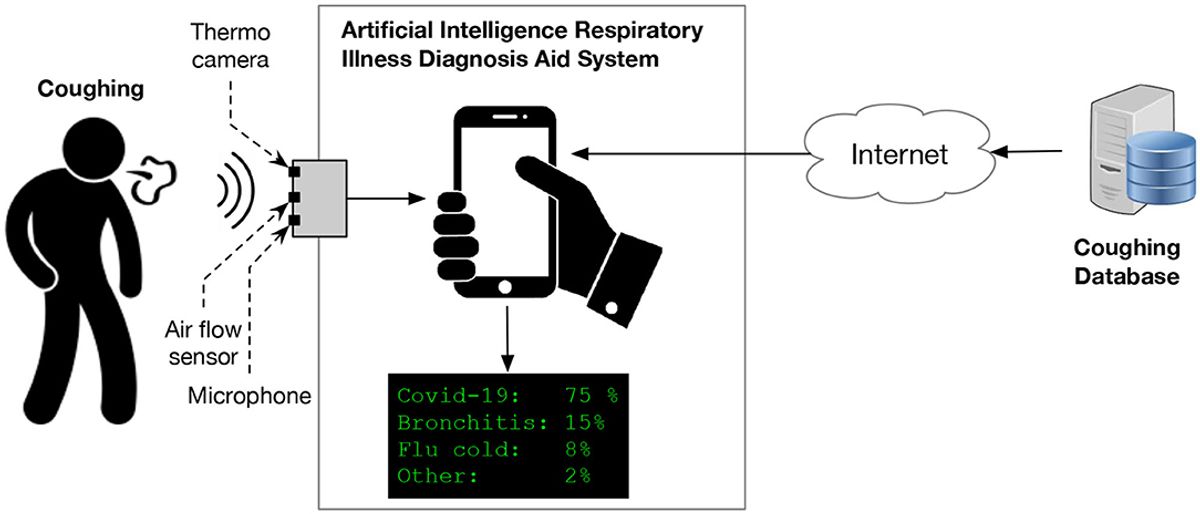
Accelerating Drug Discovery with Computational Predictions
The advent of AI in drug discovery heralds a new era of speed and precision in the race to develop life-saving medications. AI's ability to process and analyze vast datasets has transformed the landscape of pharmaceutical research, slashing the time and costs associated with traditional methods. By identifying potential drug candidates and predicting their efficacy and safety, AI algorithms are revolutionizing the way we approach medical breakthroughs.
- Streamlined Target Identification: AI models rapidly sift through biological data to pinpoint promising therapeutic targets.
- Enhanced Lead Optimization: Machine learning techniques refine drug compounds, optimizing their properties for human use.
- Predictive Toxicology: Predictive models assess the potential toxicity of compounds, reducing the risk of late-stage failures.
The integration of AI into drug discovery is not just a technological upgrade; it is a paradigm shift that promises to bring forth treatments tailored to the genetic makeup of individuals, ushering in the age of personalized medicine.
The implications for patient care are profound. As we harness the predictive power of AI, we edge closer to a future where treatments are not only effective but also bespoke, minimizing side effects and maximizing therapeutic outcomes. Embrace the AI revolution in healthcare and witness the transformation of patient care as we know it. Let's join forces to accelerate the journey from laboratory insights to life-changing treatments.
AI in Chronic Disease Management: A Case for Predictive Care
In the realm of chronic disease management, AI stands as a beacon of hope, offering a proactive approach to patient care. Predictive analytics, powered by AI, are revolutionizing the way healthcare providers anticipate and address long-term health conditions. By analyzing vast arrays of data, including demographic information, medical history, and social determinants of health, AI systems can identify high-risk patients and forecast potential health crises before they occur.
The case of Alex, a patient with diabetes and hypertension, exemplifies the potential of AI in chronic disease management. Through predictive modeling, his healthcare team can preemptively adjust his care plan, reducing the need for emergency interventions and improving his quality of life.
The impact of AI on chronic disease management is not just theoretical. Studies have shown a tangible reduction in emergency department visits—up to 20%—for patients under AI-enhanced care pathways. This not only improves patient experiences but also alleviates the strain on healthcare resources.
Engage with AI in your healthcare practice to transform patient care. Embrace the future where predictive care is not a luxury, but a standard component of chronic disease management. The time to act is now—integrate AI into your healthcare strategy and witness the profound benefits it brings to patients and providers alike.
Managing Epidemics with AI-Enabled Real-Time Analytics
In the face of epidemics, the ability to respond swiftly and effectively can mean the difference between containment and widespread transmission. AI-enabled real-time analytics are at the forefront of this battle, providing health professionals with the tools to predict and manage outbreaks with unprecedented precision. Harnessing operational analytics and AI not only drives business transformation but is also critical in predicting trends, automating decision processes, and staying competitive in the evolving healthcare landscape.
The integration of AI in epidemic management translates into a more robust public health response, enabling the early identification of high-risk zones and the allocation of resources where they are most needed.
By analyzing demographic, medical history, and social determinants of health data, AI technologies can predict high-risk patients and potential disease outbreaks. This early identification allows for proactive interventions, which lead to better outcomes and optimized resource allocation. For instance, the use of predictive analytics in chronic disease management resulted in a 20% decrease in emergency department visits for a targeted patient group, showcasing the potential of AI to refine care delivery and significantly improve patient experiences.
As we look to the future, the strategic integration of AI in healthcare promises not only to revolutionize patient care but also to ensure that our responses to epidemics are more informed, timely, and effective. The call to action is clear: embrace AI to enhance our capabilities in managing health crises and safeguarding global well-being.
Strategic Integration of AI in Healthcare: A Vision for the Future
Crafting the Future of Precision Medicine with AI
The dawn of Gen AI in healthcare heralds a new era of precision medicine, where patient-specific interventions are not just a possibility, but a reality. AI's prowess in analyzing vast datasets, including electronic health records and diagnostic images, is revolutionizing the way we approach diagnosis and treatment planning.
By harnessing the power of AI, healthcare professionals can sift through the tsunami of data to detect abnormalities and tailor treatment plans that are uniquely suited to each patient's genetic makeup and medical history.
The implications of this technological leap are profound. Gen AI is not merely a trend; it is a transformative force that is reshaping the landscape of healthcare. It offers predictive analytics for global health challenges, accelerates drug discovery, and fosters healthcare equity with accessible, tailored care solutions.
- Predictive Analytics: Leveraging real-time data for disease management
- Drug Discovery: Accelerating the process with computational predictions
- Healthcare Equity: Ensuring accessible care for all
As we stand on the brink of this revolution, it is imperative that we embrace AI not only as a tool but as a partner in strategic decision-making. The convergence of Big Data and AI technologies is a game-changer, offering a competitive advantage in the digital economy. Let us seize this moment to redefine the future of healthcare, making it more efficient, effective, and equitable for all.
AI as a Catalyst for Healthcare Innovation and Strategy
The integration of AI in Healthcare Innovation is not merely a trend; it is a paradigm shift that is reshaping the strategic landscape of the medical field. AI Healthcare Solutions Providers are at the vanguard, offering cutting-edge platforms that enable healthcare professionals to deliver care that is both more efficient and more personalized than ever before.
- AI-driven analytics are informing strategic decisions, from resource allocation to patient engagement strategies.
- Predictive models are enhancing the accuracy of diagnoses and the efficacy of treatment plans.
- Machine learning algorithms are streamlining administrative tasks, freeing up time for patient care.
The promise of AI in healthcare is not just in its technological prowess, but in its potential to humanize patient care by providing health professionals with the tools they need to focus on what matters most: the patient.
As we look to the future, the strategic integration of AI will continue to be a cornerstone of healthcare innovation. The challenge for healthcare leaders is to harness this potential responsibly, ensuring that AI serves as a bridge to better health outcomes and a more sustainable healthcare system. The call to action is clear: embrace AI as a strategic partner in healthcare, and join the movement towards a future where technology and human expertise work hand in hand for the betterment of patient care.
The Long-Term Prospects of AI in Reshaping Healthcare Delivery
As we stand on the brink of a new era in healthcare, the long-term prospects of AI are not just transformative; they are revolutionary. The evolution of AI technologies is set to push the boundaries of health care, introducing innovative solutions that could dramatically improve both the efficiency and effectiveness of patient care.
The potential of Gen AI in health care stretches far into the future, holding promises that could redefine the landscape of medical care. Its applications range from enriching precision medicine with more accurate patient-specific interventions to deploying real-time predictive analytics for managing disease outbreaks.
In healthcare, AI is poised to make substantial advancements that can help solve longstanding challenges and address some of the biggest drivers of waste and inefficiency.
In addition to clinical applications, AI is set to streamline various administrative tasks, such as handling patient inquiries and managing records. This advancement will free healthcare professionals to focus more on direct patient care, improving the quality of interactions and overall patient outcomes.
The future of AI in healthcare is not just about technological enhancement; it's about redefining healthcare delivery, and making it more efficient, personalized, and patient-centric. As we continue to innovate and integrate AI into our healthcare systems, we invite you to join us in shaping a future where health is accessible, equitable, and optimized for all.
CONCLUSION
In conclusion, the advent of generative AI (Gen AI) in healthcare represents a transformative leap forward, promising to revolutionize patient care and operational efficiency. By harnessing the power of AI to personalize treatment pathways, optimize data management, and enhance clinical decision-making, healthcare providers can align care more closely with individual patient needs. The integration of AI extends beyond clinical applications, offering predictive analytics for global health challenges and fostering healthcare equity through accessible care solutions. As we stand on the cusp of this new era, it is clear that Gen AI is not merely a technological trend but a fundamental reimagining of healthcare delivery. The evidence of its impact is already visible in improved patient satisfaction, reduced operational costs, and superior health outcomes. The future of healthcare is one where AI-driven innovation is integral to meeting the demands of patients and the industry, ensuring that healthcare delivery is as efficient, effective, and patient-centric as possible.
Frequently Asked Questions
How is AI transforming patient diagnostics in healthcare?
AI is revolutionizing diagnostics by enabling the analysis of large datasets to identify patterns and anomalies that may be indicative of disease. It can also assist in interpreting complex medical images, such as X-rays and MRIs, with greater accuracy and speed than traditional methods, leading to earlier and more precise diagnoses.
In what ways does AI contribute to personalized treatment plans?
AI contributes to personalized treatment by analyzing individual patient data, including genetic information, to predict treatment responses and tailor therapies to each patient's unique needs. This approach enhances the effectiveness of treatments and minimizes potential side effects.
Can AI improve healthcare administrative operations?
Yes, AI can significantly improve healthcare administrative operations by automating routine tasks such as scheduling, billing, and claims processing. This reduces manual errors, saves time, and allows healthcare staff to concentrate on patient care.
What role does AI play in enhancing healthcare accessibility and equity?
AI plays a critical role in enhancing healthcare accessibility by enabling telemedicine services, which provide care to remote or underserved populations. Additionally, AI-driven insights can help identify and address disparities in healthcare, promoting more equitable outcomes across different demographic groups.
How is AI accelerating drug development?
AI accelerates drug development by analyzing complex biochemical data and simulating drug interactions at a pace much faster than traditional methods. This can lead to the discovery of new therapeutic compounds and a reduction in the time and cost associated with bringing new drugs to market.
What is the future vision for AI integration in healthcare?
The future vision for AI in healthcare is to achieve a fully integrated system where AI enhances every aspect of care delivery, from precision medicine and personalized treatments to operational efficiency and global health initiatives. The goal is to create a more proactive, predictive, and patient-centered healthcare environment.
Comments
Post a Comment