Embracing the AI Revolution: Enhancing Patient Care and Streamlining Operations in Healthcare

As the healthcare industry continues to evolve, artificial intelligence (AI) stands at the forefront of this transformation, offering unprecedented opportunities to enhance patient care and streamline operations. This article delves into the myriad ways AI technologies are being integrated into the healthcare sector, from revolutionizing diagnostics and treatment to automating administrative tasks and facilitating remote patient care. It underscores the importance of strategic implementation and addresses the ethical and regulatory challenges that come with adopting such advanced technologies.
Key Takeaways
- AI is revolutionizing diagnostics and treatment, leading to improved patient outcomes through enhanced accuracy and personalized care.
- The integration of AI in healthcare is improving patient engagement and support, leveraging tools like NLP and chatbots for better communication.
- AI-driven innovations are streamlining healthcare operations, automating administrative tasks, and redefining electronic health records (EHRs).
- The future of AI in healthcare is marked by a shift towards automation, precision, and personalized patient care, with virtual health assistants playing a key role.
- Implementing AI in healthcare requires careful planning, assessment, and consideration of ethical and regulatory challenges to ensure successful adoption.
AI Technologies Overview: Powering Innovations in Healthcare Industry

Revolutionizing Diagnostics and Treatment
The advent of AI-Powered Medical Diagnostics is a game-changer in the realm of healthcare, offering unprecedented precision and speed in identifying diseases. AI for Medical Imaging, for example, has transformed radiology by providing deeper insights into patient scans, leading to more accurate diagnoses and tailored treatment plans.
- AI-driven analytics revolutionize decision-making, enhancing the quality of care delivered to patients.
- AI algorithms can detect patterns in vast datasets that are imperceptible to the human eye, leading to earlier and more accurate diagnoses.
- The integration of AI into treatment protocols enables personalized medicine, ensuring that patients receive the most effective therapies based on their unique genetic makeup.
Moreover, the impact of AI extends beyond the clinic. It empowers patients to take an active role in their health management, providing them with personalized insights and recommendations. The potential for AI to improve patient outcomes is immense, and its continuous evolution promises to further revolutionize diagnostics and treatment in ways we are only beginning to imagine.
Embracing AI in healthcare is not just about technological advancement; it's about redefining patient care for a brighter, healthier future.
Improving Patient Engagement and Care
The advent of AI in Healthcare Innovation has ushered in a new era of patient engagement, transforming the way individuals interact with their healthcare providers. AI in Patient Care Technology is not just a buzzword; it's a tangible shift towards a more personalized and responsive healthcare system. By leveraging AI Medical Records Management, patients and providers can overcome traditional barriers to communication, adhering to treatment plans and remaining engaged in their healthcare journeys.
AI-Enabled Healthcare Devices and AI Healthcare Data Analysis are at the forefront of this transformation, ensuring that patient care is not only reactive but also proactive and predictive. Wearable devices and mobile apps, for instance, enable a continuous dialogue between patients and providers, facilitating timely interventions and a collaborative approach to health management.
The integration of AI into patient care is fostering a patient-centric approach, where the emphasis is on empowering patients to take an active role in their health. This not only enhances the efficiency and effectiveness of healthcare delivery but also ensures that healthcare professionals can dedicate more time to complex patient care and research, ultimately elevating the quality of care provided.
As we embrace these technologies, it is crucial to remember that the ultimate goal is to improve patient outcomes and experiences. The call to action is clear: healthcare institutions must adopt and integrate these innovations to remain at the cutting edge of patient care. Let us commit to this journey together, for a future where healthcare is more accessible, efficient, and tailored to individual needs.
Streamlining Healthcare Operations
In the bustling corridors of modern healthcare facilities, AI in Healthcare Management Systems is not just a buzzword but a transformative force. AI Healthcare Solutions Providers are at the forefront of this revolution, offering tools that seamlessly integrate into existing workflows, turning data into actionable insights and freeing up medical professionals to focus on what they do best—caring for patients.
The deployment of AI for Healthcare Efficiency is a game-changer, enabling a level of precision and speed in operations that was previously unattainable. With AI handling administrative tasks, healthcare facilities can offer more personalized and timely care, enhancing patient satisfaction and outcomes.
Consider the following ways AI is making an indelible impact:
- Automating routine administrative tasks such as scheduling and patient communication, which reduces errors and saves time.
- Enhancing the security and accuracy of Electronic Health Records (EHRs), ensuring that patient data is always up-to-date and protected.
- Combating healthcare fraud by analyzing patterns and flagging anomalies, thus safeguarding the integrity of healthcare systems.
AI analytics integration in business operations enhances decision-making, strategic agility, and growth. This is particularly true in healthcare, where leveraging data ingestion, ML algorithms, visualization tools, and data management systems for actionable insights can lead to significant improvements in patient care and operational efficiency. As we embrace these advancements, it is crucial to partner with experienced AI Healthcare Solutions Providers to navigate the complexities of implementation and to harness the full potential of AI in healthcare.
Take the next step in healthcare innovation. Explore how AI can revolutionize your operations and enhance patient care. The journey towards a smarter, more efficient healthcare system begins with a single decision to embrace AI.
Enhancing Healthcare Operations
Redefining Electronic Health Records (EHRs)
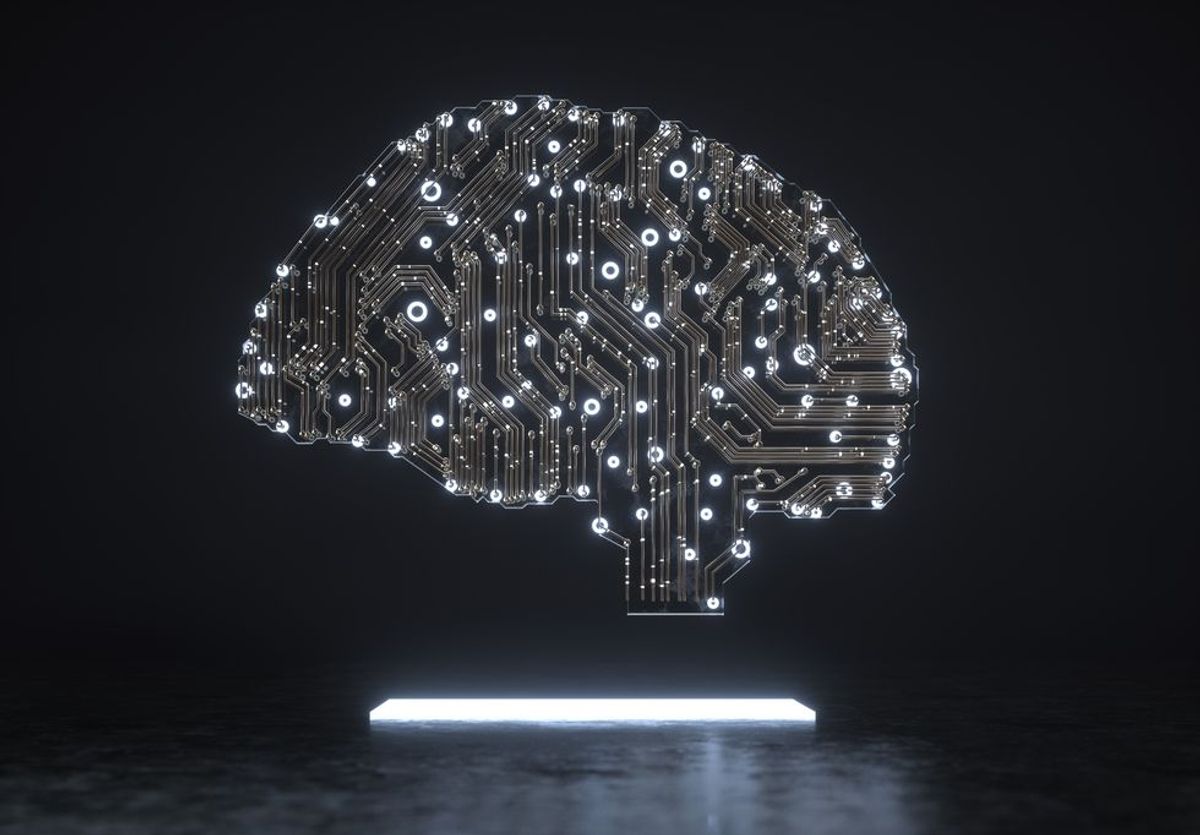
The integration of AI into Electronic Health Records (EHRs) marks a transformative leap from static data silos to dynamic, intelligent systems that not only store patient information but actively enhance the quality of care. By harnessing the power of natural language processing (NLP) and advanced algorithms, EHRs are evolving into predictive tools, capable of analyzing patient histories and real-time data to forecast health risks and tailor treatment plans.
- AI-driven EHRs improve data accuracy and accessibility, ensuring that healthcare professionals have the most up-to-date patient information at their fingertips.
- They facilitate the shift from reactive to proactive care, with predictive analytics playing a pivotal role in preempting health issues.
- The automation of routine data entry and analysis frees up medical staff to focus on more complex and patient-centric tasks.
The revolution in EHR management is not just about enhancing operational efficiency; it's about creating a foundation for personalized, informed healthcare that meets individual patient needs.
As we embrace this AI-driven renaissance, healthcare providers must ensure that the transition to AI-enhanced EHRs is seamless and that the systems implemented are robust, secure, and user-friendly. The promise of AI in EHRs is immense, but realizing its full potential requires careful planning and a commitment to ongoing education and training. Let us step forward into this new era of healthcare with the knowledge that our actions today will shape the well-being of patients for years to come.
Combating Fraud with AI
In the intricate landscape of healthcare transactions, AI stands as a vigilant guardian against fraud, ensuring the integrity and security of healthcare systems. Utilizing advanced AI algorithms to scrutinize billing patterns and insurance claims, these systems can swiftly identify discrepancies and potential fraud, safeguarding financial resources and maintaining trust in healthcare administration.
This application of AI extends beyond mere detection; it's a proactive stance against the misuse of healthcare funds, ensuring that resources are allocated where they are most needed.
In doing so, AI protects organizations and ensures patients are shielded from the repercussions of fraudulent activities. Integrating AI in fraud detection and securing insurance claims is pivotal, marking a significant advancement in maintaining the healthcare systems' resilience and reliability. However, embracing AI also introduces challenges, including ensuring data accuracy, addressing job displacement concerns, and maintaining patient privacy. Overcoming these hurdles requires a balanced approach, emphasizing collaboration, continuous learning, and ethical considerations.
Call to Action: As healthcare professionals and administrators, it's imperative to stay ahead of the curve by adopting AI-driven fraud detection systems. Not only will this enhance operational efficiency, but it will also fortify the trust patients place in our healthcare institutions. Let's embrace the AI revolution and safeguard our future.
Automating Administrative Tasks
The integration of AI in healthcare is not just about medical breakthroughs; it's about fundamentally transforming the mundane yet critical administrative tasks that form the backbone of healthcare operations. AI-driven automation is redefining the landscape of healthcare administration, ensuring tasks are completed with unprecedented speed and precision.
- Appointment Scheduling: AI systems can predict peak times and manage appointments, reducing wait times and improving patient satisfaction.
- Patient Records: Automated updating and maintenance of patient records ensure accuracy and immediate availability.
- Insurance Processing: AI streamlines the insurance claim process, minimizing errors and expediting approvals.
By liberating healthcare professionals from the time-consuming bureaucracy, AI is not only boosting productivity but also enhancing the quality of patient care.
The promise of AI in healthcare extends beyond clinical applications; it is a powerful ally in the quest for operational excellence. As we witness AI taking over tasks such as synthesizing extensive reports and reducing the cognitive load on caregivers, we must acknowledge the profound impact it has on the healthcare ecosystem. Embrace the change, and let AI be your partner in delivering compassionate, efficient care.
The Future of AI in Healthcare: A Symphony of Automation, Precision, and Care

Transforming the Healthcare Experience
The AI revolution is not just redefining healthcare operations but is also setting a new paradigm for how care is delivered, experienced, and improved upon. This transformation is not merely a technological shift; it's a cultural one that revolutionizes the overall customer experience, ultimately propelling companies toward competitive superiority and delivering remarkable outcomes for patients.
The integration of AI into healthcare is more than an upgrade—it's a complete overhaul of patient-provider interactions, fostering a new era of digital empathy and precision care.
Healthcare organizations are now at a pivotal juncture, where they can leverage AI to elevate the customer experience. By transcending transactional interactions, they can forge deeper connections with patients and stakeholders, ensuring that every touchpoint is informed, empathetic, and efficient. The following list encapsulates the core areas where AI is making an indelible impact:
- TRANSFORMING PATIENT-PROVIDER INTERACTIONS: Enhancing communication and understanding.
- Elevating the Customer Experience: Personalizing care and building lasting relationships.
- Better Outcomes: Utilizing predictive analytics for proactive health management.
- Reducing Cost: Streamlining processes to make healthcare more affordable.
- Healthcare Equity: Bridging the gap to ensure equal access to quality care for all.
As we embrace this AI-driven transformation, it's crucial to stay informed and proactive. Visit the Bles Software website for insights on leveraging AI for scalable growth in businesses, from startup to enterprise, focusing on strategic implementation and key growth strategies. The future of healthcare is here, and it's time to be a part of it.
Deploying Virtual Health Assistants
The advent of AI-powered virtual health assistants is redefining patient interaction within the healthcare ecosystem. By harnessing the capabilities of natural language processing (NLP) and machine learning, these innovative tools offer a level of personalized support previously unattainable. Patients now have access to immediate assistance for a range of needs, from answering queries to providing medication reminders, all without the need for in-person visits.
The continuous learning and adaptation of virtual health assistants are pivotal in their evolution into trusted companions on a patient's healthcare journey.
These assistants are not just a convenience; they are a bridge to better healthcare outcomes. By facilitating seamless communication with healthcare providers and offering symptom assessment, they play a crucial role in triaging patients and reducing the workload on medical staff. The result is a more engaged patient and a more efficient healthcare operation.
Here's how virtual health assistants are making an impact:
- Enhancing adherence to treatment plans
- Improving outcomes by fostering patient empowerment
- Reducing the burden on healthcare providers
- Streamlining operations by automating routine administrative tasks
Embrace the transformation that AI-driven virtual health assistants bring to the healthcare industry. Their deployment is not just an operational shift—it's a step towards a more accessible, personalized, and efficient healthcare experience. As we integrate AI principles to revolutionize the healthcare landscape, we witness a boost in productivity and quality akin to the revolution in software lifecycle brought about by AI-driven automation.
Personalizing Patient Care through AI
The advent of Personalized Medicine AI Technology marks a transformative era in healthcare. By harnessing the power of AI, medical professionals can now offer care that is tailored to the individual's genetic makeup, lifestyle, and health history. This precision not only enhances the efficacy of treatments but also elevates the patient experience to new heights of customization.
The integration of AI into healthcare is not just an incremental change; it is a paradigm shift towards a more nuanced and patient-specific approach.
AI-driven insights are pivotal in shaping personalized care strategies. These insights enable healthcare providers to predict patient responses to various treatments, thereby optimizing therapeutic interventions. The result is a healthcare system that is more responsive, effective, and truly centered around the patient's unique needs.
The potential of AI to revolutionize patient care is immense. Consider the following impacts:
- Enhanced diagnostic accuracy and treatment efficiency.
- Improved patient outcomes through tailored care plans.
- A shift towards a data-driven, patient-centric healthcare model.
Embrace the AI revolution to ensure operational efficiency and a competitive advantage. Personalized experiences, predictive stock management, and dynamic campaigns are just the beginning. The future of healthcare is personalized, and AI is the catalyst for this transformation.
Exploring New Frontiers: AI's Expanding Role in Healthcare

Facilitating Remote Patient Care
The AI Telemedicine Advancements are a testament to how the AI revolution is not just confined to industries like manufacturing, but is also profoundly reshaping healthcare. Remote patient care, once a concept, is now a reality, enabling care beyond walls and fostering a patient-centric approach. AI-driven technologies such as wearable devices, mobile apps, and telemedicine platforms are at the forefront of this transformation, offering continuous dialogue and timely interventions between patients and providers.
The integration of AR and VR in remote patient monitoring exemplifies the boundless potential of AI in healthcare. These innovations are not only making healthcare more accessible but are also enhancing the efficacy of treatments and optimizing recovery paths.
In particular, AI-driven telemedicine platforms are revolutionizing access to healthcare, especially for individuals in remote or underserved areas. Video consultations and remote monitoring allow for medical advice and follow-up care that is both timely and devoid of geographical constraints. This paradigm shift ensures that quality healthcare is not a privilege but a right accessible to all, irrespective of location.
- Remote patient monitoring
- Real-time guidance and assessments
- Conducting remote procedures
- Continuous care regardless of distance
Embrace the AI revolution in healthcare by building AI literacy and adapting to real-time data. Harness these predictive models for strategic planning in your healthcare operations to create a sustainable competitive advantage. The future of healthcare is here, and it is inclusive, efficient, and patient-focused.
Empowering Patients with AI-Driven Technologies
The advent of Healthcare AI Development is a beacon of empowerment for patients worldwide. AI-driven technologies are not just tools but partners in health management, enabling individuals to take charge of their well-being with unprecedented precision and ease.
Through AI, patients gain access to personalized health insights and self-management tools that transform the patient-caregiver dynamic. This empowerment is evident in the way AI facilitates a more informed and proactive approach to health:
- Personalized Insights: Leveraging data from various sources, AI provides patients with tailored health recommendations.
- Self-Management Tools: Wearable devices and mobile apps offer real-time health monitoring and feedback.
- Remote Monitoring: Patients with chronic conditions can be monitored remotely, reducing hospital visits and enabling timely interventions.
At the heart of this transformation is the patient's newfound ability to actively participate in their care, access timely support, and make informed decisions about their health and well-being.
As we continue to witness the integration of AI into every facet of healthcare, it is crucial to recognize the role of patients as key stakeholders in this journey. The symphony of Healthcare AI Development and patient empowerment is poised to redefine the healthcare landscape, making it more responsive, efficient, and inclusive. Embrace the change, and be part of the revolution that is reshaping healthcare for the better. Your health is in your hands, more than ever before.
Integrating Predictive Analytics for Better Health Outcomes
The advent of Predictive Analytics in Healthcare AI marks a pivotal shift in the medical field, transitioning from a reactive to a proactive stance on patient health management. By harnessing the power of AI-driven analytics, healthcare providers can now anticipate and prevent adverse health events, rather than merely responding to them.
Predictive analytics in healthcare is not just about forecasting; it's about creating a new paradigm of preemptive care that is more efficient, effective, and patient-centric.
Here's how predictive analytics is reshaping the healthcare landscape:
- Early Identification: AI models analyze health data to identify patients at risk before issues manifest.
- Preventive Measures: Providers can implement timely interventions tailored to individual patient profiles.
- Continuous Monitoring: Ongoing assessment of intervention effectiveness ensures optimal care.
This forward-thinking approach is particularly transformative in managing chronic diseases, where predictive analytics can customize treatment plans based on medical history, genetic factors, and lifestyle. The result? A healthcare system that not only treats but actively works to prevent illness, ensuring that resources are allocated efficiently and patient care is enhanced.
As we embrace this AI-driven analytics revolution, we must also consider the ethical and regulatory frameworks that will support its integration. The promise of predictive analytics in healthcare AI is immense, but it requires careful planning and consideration to realize its full potential. Join us in this journey towards a smarter, more predictive healthcare system that places patient well-being at its heart.
Implementing AI in Healthcare: Strategies and Considerations
Practical Steps for Integration
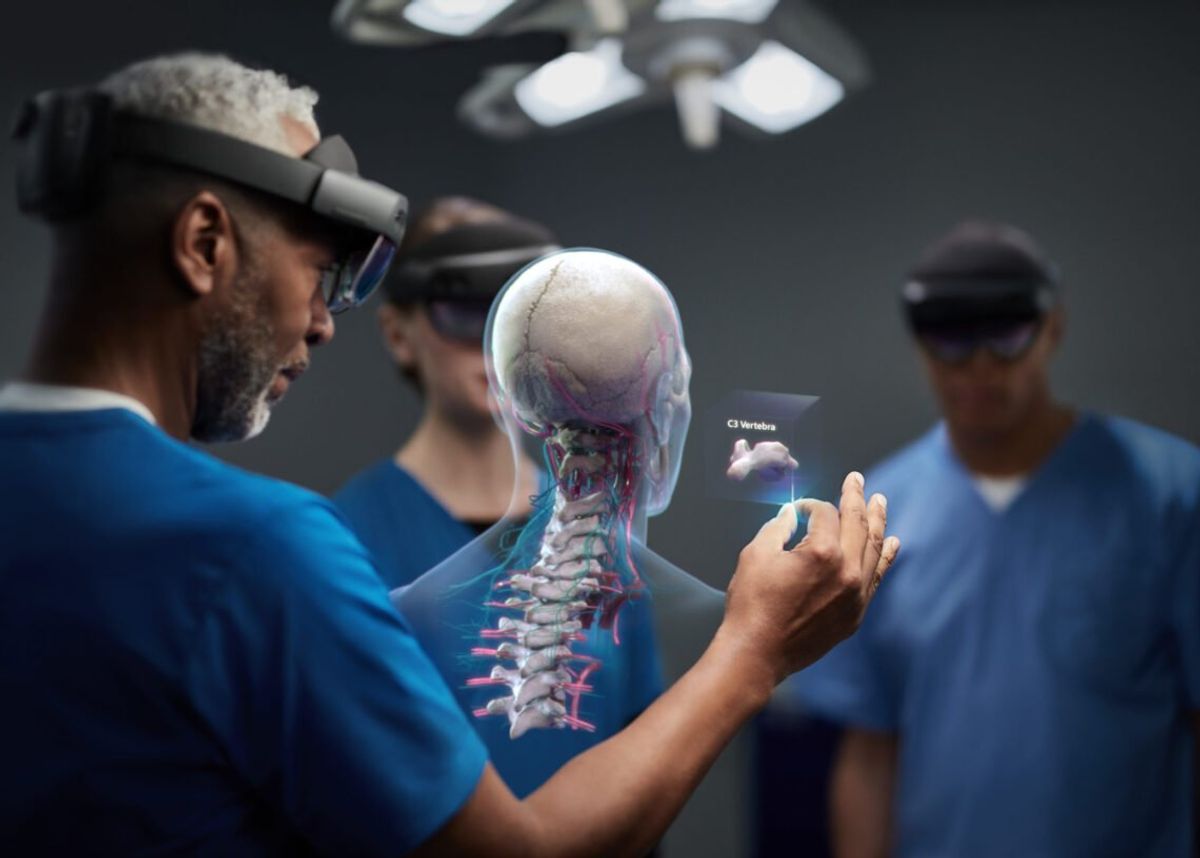
The journey to integrate AI into healthcare is a strategic endeavor that requires meticulous planning and execution. Assessment and planning are the cornerstones of this process, where healthcare organizations must evaluate their current systems and pinpoint where AI can deliver the greatest benefits. This could encompass a range of applications from AI in Clinical Decision Support to streamlining administrative workflows.
Once the assessment is complete, the next step is to choose the right technologies. It's crucial to select AI solutions that not only align with the organization's objectives but also resonate with the needs of patients. To facilitate this, a structured approach is recommended:
- Identify key areas for AI deployment
- Evaluate AI solutions based on efficacy and compatibility
- Plan for integration with existing healthcare IT infrastructure
- Ensure compliance with healthcare regulations and standards
Embrace data-driven leadership with AI analytics, navigate challenges in data integration, ensure ethical AI use, and harness predictive analytics for strategic advantage in business practices.
The integration of AI in healthcare is not just about technology; it's about transforming patient-provider interactions and enhancing the overall healthcare experience. By taking these practical steps, organizations can pave the way for a future where AI and human expertise work in tandem to deliver exceptional care.
Assessment and Planning
The journey towards AI integration in healthcare is a strategic endeavor that begins with a comprehensive assessment of current systems and processes. Identifying the domains where AI can deliver the most significant benefits is crucial, ranging from enhancing diagnostic accuracy to optimizing administrative workflows.
- Evaluate existing infrastructure and workflows
- Determine AI readiness and potential impact areas
- Align AI integration with organizational goals
A strategic plan must be crafted, one that not only aligns with the organization's overarching objectives but also resonates with the core needs of patients. This plan should serve as a blueprint for choosing the right AI technologies that will drive both innovation and patient-centered care.
The success of AI implementation is not just in the technology itself, but in the meticulous planning and alignment with the human element of healthcare.
As healthcare providers embark on this transformative journey, it is imperative to ensure that patients are well-informed and actively engaged in their care, fostering a relationship where AI becomes an enabler rather than a barrier. Remember, the ultimate goal is to enhance patient-provider interactions, ensuring patients have a clear understanding of their diagnoses and treatment options, and fostering a patient-centric approach. Let's embrace AI with a plan that's as precise and caring as the healthcare we aspire to deliver.
Addressing Ethical and Regulatory Challenges
The integration of AI into healthcare is a journey fraught with ethical and regulatory complexities. Ensuring the responsible use of AI is not just a technical challenge but a moral imperative. Ethical considerations such as privacy, consent, and transparency are not mere checkboxes but foundational pillars that uphold the integrity of patient care.
A collaborative approach is vital, involving stakeholders across the healthcare spectrum. This synergy is not optional but a necessity to navigate the intricate web of ethical and regulatory standards. The table below outlines the key challenges and the collaborative actions required to address them:
| Challenge | Collaborative Action |
|---|---|
| Privacy & Security | Establish clear protocols |
| Consent & Transparency | Develop comprehensive policies |
| Regulatory Compliance | Engage in continuous dialogue |
| Talent Acquisition | Foster educational initiatives |
| Ethical Implications | Create ethical oversight committees |
The quest for ethical AI in healthcare is a shared responsibility. It demands vigilance, adaptability, and an unwavering commitment to the values that define us as caregivers and innovators.
As we confront these challenges, we must remember that the stakes are high. The trust of patients and the broader community hangs in the balance. It is our collective duty to ensure that AI serves the greater good, enhancing patient care without compromising the values we hold dear. Let us embrace this challenge with the rigor and passion it deserves.
Conclusion
The AI revolution in healthcare is not a distant promise but an unfolding reality that is reshaping the landscape of patient care and operational efficiency. As we have explored, AI's integration into diagnostics, patient management, and healthcare operations is enhancing the precision of treatments, personalizing patient care, and streamlining administrative processes. The journey towards a fully AI-integrated healthcare system is complex and requires careful consideration of ethical, regulatory, and practical aspects. Yet, the potential benefits for patient outcomes and the overall healthcare experience are profound. Embracing AI is not merely an option but a necessity for healthcare institutions seeking to thrive in an era of technological advancement. The future of healthcare is one where AI and human expertise converge to create a symphony of automation, precision, and compassionate care, ultimately leading to a healthier society.
Frequently Asked Questions
How is AI enhancing diagnostic accuracy in healthcare?
AI improves diagnostic accuracy by analyzing vast amounts of medical data, recognizing complex patterns, and providing precise diagnostic suggestions, which assists healthcare professionals in making more informed decisions and offering personalized treatment plans.
In what ways does AI contribute to patient engagement and care?
AI contributes to patient engagement by providing tools such as chatbots and virtual assistants that offer 24/7 support, answer patient queries, and help in managing appointments and treatment plans, leading to improved patient satisfaction and adherence to care regimens.
How does AI streamline healthcare operations?
AI streamlines healthcare operations by automating administrative tasks like scheduling, billing, and claims processing, reducing errors and freeing up medical staff to focus more on patient care rather than paperwork.
What role does AI play in redefining Electronic Health Records (EHRs)?
AI redefines EHRs by enabling more efficient data management, extracting relevant patient information, and facilitating predictive analytics for proactive care, thereby enhancing the quality and accessibility of patient health records.
Can AI help in combating healthcare fraud?
Yes, AI can significantly help in combating healthcare fraud by analyzing patterns in claims data to detect anomalies and potential fraudulent activities, thus protecting financial resources and ensuring they are used for legitimate patient care.
What are some considerations for healthcare providers looking to implement AI?
Healthcare providers should consider the integration process, data privacy and security, alignment with clinical workflows, staff training, and adherence to ethical and regulatory standards when implementing AI to ensure a smooth transition and maximized benefits.
Comments
Post a Comment